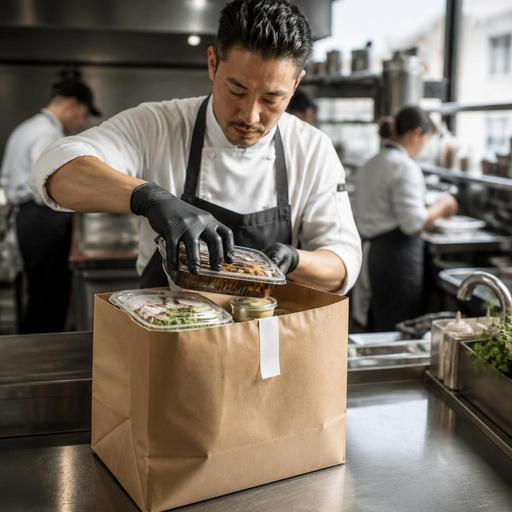
How Delivery Packaging Influences Restaurant Guest Satisfaction
Delivery packaging guest satisfaction is easy to underestimate because guests often mention the food first. Yet the box, cup, seal, bag, and label shape the dining experience long before the first bite. For restaurants, packaging is not only a transport tool. It protects temperature, preserves texture, reduces spills, supports order accuracy, and quietly communicates care. When packaging choices match the menu and the delivery process, guests notice the difference even if they do not describe it in technical terms.
Why packaging matters more than many operators think
In dine-in service, guests experience plating, table setup, music, and staff interaction. In delivery, much of that experience disappears. Packaging becomes one of the few physical touchpoints the guest can see and hold. A strong dish can arrive feeling disappointing if the fries are trapped in steam, a soup lid leaks, or sauces are unlabeled. On the other hand, a simple meal can feel organized and reliable when every component arrives intact, clean, and easy to identify.
Guest satisfaction in delivery is often shaped by small moments:
- Opening a bag without finding spilled dressing at the bottom
- Recognizing which container holds a dairy-free or spicy item
- Receiving hot and cold items separated properly
- Finding cutlery, napkins, and condiments only when needed
- Seeing tamper-evident sealing that builds trust
These details influence whether a guest feels the restaurant is careful, professional, and worth ordering from again. They also affect reviews. A guest may not write, “the vented container preserved crispness,” but they may say, “the food arrived fresh” or “everything was soggy.” Packaging is often the hidden cause behind those reactions.
How packaging affects food quality during delivery
Not every menu item travels well in the same way. Packaging decisions should begin with food behavior, not supplier convenience alone. Steam, condensation, oil, sauce movement, and travel time all matter. A fried chicken sandwich packed immediately in a fully sealed box can lose its texture quickly. A salad with dressing poured in too early can wilt before arrival. A pasta dish may hold heat well, while grilled vegetables may continue steaming and soften too much.
Practical examples help clarify the issue:
- Fried foods: Use packaging that allows some ventilation so moisture does not get trapped.
- Burgers and sandwiches: Separate wet toppings or sauces when necessary to protect the bread.
- Soups and curries: Choose secure lids and secondary bag support to reduce leakage.
- Cold desserts: Keep them away from hot containers inside the same bag.
- Breakfast items: Eggs, toast, and hash browns often need compartment separation to preserve texture.
Restaurants should test packaging with real delivery conditions, not just in the kitchen. Pack the meal, wait the typical delivery time, then open it as a guest would. This simple exercise often reveals problems that are invisible at handoff. Owners may discover condensation inside lids, sauces tipping during movement, or labels falling off when exposed to heat.
Packaging also shapes trust, clarity, and brand perception
Guests do not evaluate packaging only by durability. They also read signals from it. A clean, well-organized package suggests the kitchen is disciplined. A sealed bag can reassure guests that the order was handled carefully. Clear labeling reduces confusion in group orders, family meals, and office deliveries. This matters even more when guests have modifications, dietary preferences, or allergen concerns.
For example, if one order includes a gluten-free bowl, another has extra chili sauce, and a third removes onions, unclear packaging can create frustration at the table. In many households or workplaces, one mistaken container affects several people at once. Good labeling does not need to be elaborate. It simply needs to be consistent and easy to read.
Packaging can also support brand memory without being flashy. Guests remember practical ease. They remember when the soup arrived upright, the dessert looked intact, and the add-ons were included. Brand experience in delivery often comes from order logic rather than decoration.
Operational habits that improve packaging performance
Better packaging results do not come only from buying different containers. They come from repeatable systems. Many delivery problems happen in the final minutes before dispatch, when speed pressure is high and small checks are skipped. That is why packaging standards should be part of operations, not an afterthought.
Restaurant owners can create a simple packaging workflow:
- Match each menu item to a tested container. Avoid letting staff choose packaging ad hoc during rush periods.
- Define packing rules for modifiers. Decide which sauces go inside, outside, or in separate cups.
- Create a heat-and-cold separation standard. This is especially important for mixed orders.
- Use a final check station. Confirm labels, seals, utensils, and order notes before handoff.
- Track recurring complaints. Look for patterns such as soggy fries, leaking lids, or missing condiments.
Digital tools help make these habits easier to maintain. When order notes, modifiers, and item-level instructions are clear in one system, staff can pack with fewer assumptions. A platform like Restomas can support this by keeping menus, modifiers, and order details organized across channels, which helps teams prepare and pack more consistently during busy service.
How to audit your packaging with a practical owner checklist
If you want to improve delivery packaging guest satisfaction, start with an audit instead of a full packaging overhaul. Many operators already have the right idea but need better alignment between menu design, prep flow, and container use.
Use this checklist during one week of delivery review:
- Which items generate the most delivery complaints?
- Do those complaints connect to heat loss, texture loss, spills, or confusion?
- Are staff using the same packaging for the same items every time?
- Do labels clearly show item names and important modifications?
- Are fragile items placed at the top and stable items at the bottom?
- Are hot and cold items packed separately when needed?
- Are guests receiving unnecessary extras that add cost without improving experience?
- Which menu items may need a delivery-specific version or packaging adjustment?
It is also worth reviewing the menu itself. Some dishes perform beautifully in-house but poorly in transit. Rather than forcing every dine-in item into delivery, consider small adjustments. A restaurant may switch to a different bread for delivery sandwiches, partially separate components in grain bowls, or offer a crisp topping on the side. These are not compromises in quality. They are decisions that respect the delivery environment.
Over time, packaging feedback should inform menu management. If a dish consistently underperforms in transit, the answer may be a new container, a revised plating method for delivery, or a different listing in the digital menu with clearer guest expectations. This is where packaging, operations, and digital restaurant management connect directly.
Small packaging improvements can create repeat business
Restaurants often look for growth through promotions, ad spend, or menu expansion. Those tools matter, but repeat ordering is also built through reliability. Delivery guests come back when they trust that the meal will arrive as expected. Packaging plays a quiet but powerful role in creating that trust.
The most effective improvements are usually practical, not dramatic: better seals, more suitable containers, clearer labels, smarter item separation, and a packing checklist that the team actually follows. These changes reduce friction for guests and make service more manageable for staff.
In delivery, the package is part of the product. When restaurants treat it that way, guest satisfaction becomes easier to protect. Restomas helps operators bring that same clarity to menus, modifiers, and order flow so the delivery experience stays consistent from screen to doorstep.