Bakery Pre-Order Systems: How to Plan Demand and Speed Pickup
A well-designed bakery pre-order system can do far more than collect advance orders. For bakeries and patisseries, pre-orders affect production planning, ingredient purchasing, staffing, pickup flow, and customer trust. When the system is handled with clear order windows, accurate menu options, and smooth communication, it helps teams sell more intentionally instead of reacting to last-minute demand. For owners, that means fewer surprises during peak hours and a better balance between freshness, labor, and service quality.
Unlike many restaurant formats, bakeries often work with tight daily production cycles and products that lose value quickly if demand is misread. A tray of croissants, a custom birthday cake, and a box of mixed pastries do not follow the same preparation timeline. That is why pre-orders should not be treated as one generic order channel. They need rules, lead times, and menu logic that match how the bakery actually operates.
Why Pre-Orders Matter More in Bakeries Than in Many Food Businesses
In a bakery, demand often spikes around specific moments: morning commute, lunch breaks, weekends, holidays, and celebration dates. At the same time, many of the most profitable items require preparation steps that start hours or even days earlier. A pre-order system creates visibility before service begins, which gives the kitchen and front-of-house team time to prepare properly.
Consider a neighborhood patisserie that sells everyday items such as éclairs, tarts, and cookies, while also accepting custom cake orders. If all requests arrive through phone calls, direct messages, and walk-ins, the team may miss details such as flavor choice, inscription text, allergen notes, or pickup time. This creates confusion, repeated follow-up, and production errors. A digital pre-order flow helps standardize these details so staff spend less time clarifying and more time preparing.
Pre-orders are also valuable because they support better freshness management. Instead of overproducing popular items “just in case,” the bakery can use advance demand to guide batches. This does not remove the need for spontaneous sales, but it improves visibility on what must be ready, reserved, or produced in extra quantity.
How to Structure a Practical Bakery Pre-Order Menu
The most effective pre-order menu is not simply the full in-store menu placed online. It should be designed around operational reality. Some items are suitable for same-day pickup, some need 24 to 48 hours, and others should only be available on selected days. When all products appear equally available, customers make assumptions that create pressure on the team.
Start by dividing products into clear operational groups:
- Daily staples: bread, croissants, muffins, cookies, and other items that can be offered for same-day or next-day pickup.
- Made-to-order celebration items: whole cakes, tart boxes, dessert platters, and pastry towers that need longer lead times.
- Seasonal or limited items: holiday pastries, weekend specials, or products tied to specific ingredient availability.
- High-risk custom items: allergen-sensitive, personalized, or complex designs that require manual approval or restricted ordering windows.
Each category should have its own ordering rules. For example, a bakery may allow same-day pre-orders for pastry boxes until 9:00 a.m., while requiring 48 hours for custom cakes. A brunch-focused patisserie may accept Saturday pickup orders only until Thursday evening to protect Friday production. These rules should be visible before checkout, not buried in a confirmation message.
Another key step is limiting option overload. Too many flavor combinations, sizes, fillings, toppings, and decoration choices can slow ordering and increase mistakes. Instead, offer structured choices. For example, a cake page might include size, sponge type, filling, message text, and one decoration style from a controlled list. This still gives customers flexibility while protecting the kitchen from vague or unmanageable requests.
Operational Workflows That Make Pre-Orders Reliable
A pre-order system only works when it connects to daily operations. The biggest failure point is not the order form itself; it is what happens after the order is placed. If the team still needs to rewrite tickets manually, check social media messages for missing details, or search for payment confirmation, the system has not solved the real problem.
Build a simple internal workflow that covers these steps:
- Order capture: collect product details, pickup date, pickup time window, customer contact, and any required notes in one structured flow.
- Order validation: confirm lead time, capacity, and product availability automatically where possible.
- Production planning: group orders by day, time slot, and product type so bakers can prepare batches efficiently.
- Pickup readiness: label orders clearly and separate them from general retail stock to avoid accidental sale.
- Guest communication: send confirmation and pickup instructions so customers know when and where to collect the order.
For example, if ten customers order assorted pastry boxes for office pickup between 8:00 and 9:00 a.m., the bakery should be able to see those orders together, not as scattered notes across channels. If three custom cakes are due on the same afternoon, decorators should know that schedule in advance. This is where digital order management becomes useful: it turns demand into an actionable production view.
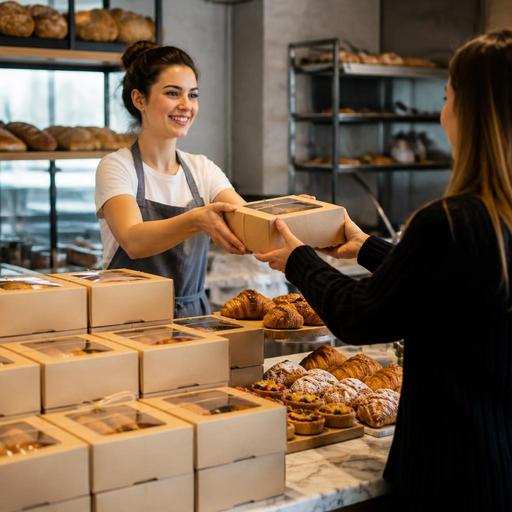
Pickup flow matters too. Many bakeries lose time when pre-order customers wait in the same line as walk-in guests ordering coffee and bread. A dedicated pickup shelf, separate queue, or named collection point can reduce congestion significantly. Even a small sign at the counter and a clear confirmation message can improve the experience.
Common Mistakes Bakery Owners Should Avoid
Many pre-order problems come from unclear promises rather than lack of demand. Customers usually accept lead times and product limits if the rules are visible and consistent. Problems arise when the bakery says “yes” too often without defining boundaries.
Taking custom requests through too many channels
If orders arrive through phone, Instagram, WhatsApp, email, and in-person notes, details get lost. Choose one main structured channel for pre-orders and train staff to redirect customers there.
Offering every item every day
Not every product belongs in the pre-order menu at all times. If an item depends on a specific baker, ingredient, or decoration capacity, make it available only when the operation can support it.
Ignoring pickup time slots
Allowing all customers to choose the same popular hour can overload the counter. Set realistic collection windows based on staffing and space.
Failing to separate reserved stock
Pre-ordered items should be packed, labeled, and stored in a dedicated area. Otherwise, front-of-house may sell them accidentally to walk-in guests during a rush.
Using vague menu descriptions
“Custom cake” is not enough. Customers need to know size options, flavor choices, lead times, and what is or is not included in the base offer.
How Pre-Orders Support Guest Experience and Repeat Business
From the customer perspective, a bakery pre-order system is about confidence. Guests want to know that the birthday cake will be correct, the pastry box will be ready on time, and the pickup process will be smooth. Reliability is often more valuable than endless customization.
A strong guest experience starts with simple communication. Confirmation messages should restate the order clearly, including date, time, and key selections. Pickup instructions should explain where to go, what to say, and whether changes are still possible. If a bakery has parking constraints, limited seating, or a busy weekend queue, that information should be shared in advance.
Pre-orders also create opportunities for thoughtful upselling without pressure. For example, a customer ordering a celebration cake may be offered candles, a matching pastry box, or a greeting add-on. A weekend breakfast box order may include optional coffee beans or fresh juice. These additions work best when they are relevant and easy to select, not when they interrupt the flow.
Digital tools can also help bakeries learn from recurring demand. If customers regularly pre-order mixed pastry boxes on Fridays, family cakes on Saturdays, and mini desserts for office events near month-end, owners can adjust production plans, staffing, and menu visibility accordingly. Platforms such as Restomas can support this kind of structured menu management, pickup organization, and order handling in a way that fits daily bakery operations rather than adding another disconnected channel.
For bakery and patisserie owners, the goal is not just to accept more orders. It is to accept the right orders, at the right times, with the right level of control. A disciplined pre-order system helps protect product quality, reduce service friction, and make busy days feel more manageable for both staff and guests.
If your bakery is refining pickup, menu, and order workflows, Restomas can help bring those digital steps into one clearer operating system.
