Best U.S. Restaurant Locations for Menu Fit, Pickup Traffic, and Competition
Choosing the best U.S. restaurant locations for menu fit, pickup traffic, and competition is not just a real estate decision. It is an operations decision that affects ticket times, labor scheduling, delivery app performance, dine-in flow, and whether your concept actually works on a given block. A fast-casual salad brand, a neighborhood diner, a food truck, and a hotel lobby bar can all succeed in the same city for very different reasons. The key is matching the site to your menu, your service model, and the way local guests want to order.
Start with menu mix before you compare rent
Many operators look at traffic counts first, but menu mix should lead the conversation. Ask a simple question: How do guests most naturally buy this food in this trade area? If your menu depends on fries staying crisp, made-to-order burgers, and combo meals, a site with strong lunch pickup and short drive times may outperform a higher-visibility location that pushes you into longer delivery runs. If you run an all-day cafe with coffee, pastries, and light breakfast, morning foot traffic and easy in-and-out access can matter more than dinner visibility.
Consider a few U.S. examples:
- Fast-casual bowls near offices: lunch peaks, app ordering, pickup shelves, and fast kitchen throughput matter more than a large dining room.
- Pizza in suburban family neighborhoods: direct online ordering, delivery zones, curbside pickup, and parking can be more valuable than premium main-street frontage.
- Sports bar near an arena: pre-event surges, tabs, bar seating turnover, and late-night staffing may define the site more than daytime traffic.
- Breakfast diner near a hospital: early shift workers, reliable parking, and repeat local guests can beat a trendier district with higher rent.
Map your top sellers into operational categories: dine-in dependent, travel well for takeout, suited for third-party delivery apps, and suited for direct pickup. That exercise often changes which neighborhoods make sense.
Measure pickup demand like an operator, not just a marketer
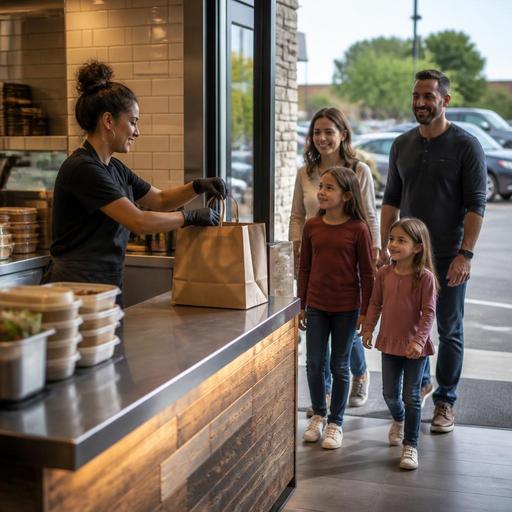
In many U.S. markets, pickup demand is now central to site selection. A location can look busy but still fail your takeout workflow if guests cannot park, find the entrance, or grab orders quickly. If a meaningful share of your sales will come from takeout, delivery apps, or direct online ordering, the physical pickup experience deserves the same attention as the dining room.
Walk the site during lunch and dinner. Watch where cars stop, whether curbside pickup is realistic, and how long it takes a guest to move from parking spot to pickup shelf to exit. If your concept will rely on families grabbing dinner after work, a center with easy right-in/right-out access may outperform a dense urban corner where every pickup becomes a hassle.
Look at these practical checkpoints:
- Parking and short-term stopping: Can guests pick up a bagged order without circling the block?
- Entrance clarity: Is it obvious where takeout guests go, especially during a rush?
- Space for a pickup shelf: Can you stage orders without blocking dine-in traffic?
- Curbside workflow: Is there a safe, realistic handoff zone if you want staff to run orders out?
- Delivery driver flow: Can drivers enter, wait briefly, and leave without disrupting the host stand or bar?
A downtown salad shop may do well with walk-up pickup and office lunch volume. A suburban chicken tender concept may need parking, family-friendly access, and strong dinner pickup. A food truck operator evaluating a brewery lot should think about line length, mobile ordering, and whether guests can wait comfortably without slowing beer traffic.
Digital tools matter here too. QR ordering, direct online ordering, and kitchen display workflows can help a site handle more off-premise volume, but they cannot fix a bad parking lot or confusing entrance.
Study local competition by daypart and service model
Operators often ask, “How many competitors are nearby?” A better question is, “Who already owns the occasions I want?” Competition is not just cuisine type. It is daypart, price point, speed, convenience, and ordering channel.
For example, if you plan to open a premium sandwich shop near a commuter rail stop, your real competition may include a convenience store with grab-and-go coolers, a coffee chain with mobile pickup, and a grocery prepared-food counter. If you want to open a brunch concept in a trendy district, nearby bakeries, diners, hotel restaurants, and cafes may shape guest expectations more than another full-service brunch spot.
Build a simple competition grid:
- Menu overlap: What items compete directly with your signature sellers?
- Price bands: Are you entering as value, mid-market, or premium?
- Speed: How fast can guests get food at lunch?
- Off-premise strength: Who already dominates delivery apps, pickup, or catering?
- Daypart position: Who is strongest at breakfast, lunch, happy hour, late night, or weekend family dinner?
This is especially important for multi-location operators. A second unit in the same metro area may need a different menu emphasis than the original store. One location may win with catering trays and office lunch pickup, while another needs more family bundles, better curbside pickup, and stronger weekend takeout. A shared POS stack and centralized menu controls can help, but the site still has to match local demand.
Test whether the location supports your labor and service workflows
A promising site can still become a daily headache if it fights your staffing model. Before signing, think through the shift from open to close. Where will guests queue? Where will servers or counter staff hand off orders? Can the kitchen support dine-in and takeout at the same time? Will bar guests crowd the pickup zone? Does the layout create bottlenecks during a lunch rush?
In U.S. operations, this also connects to practical workflows around tipped staff, service charges, and payment handling. A full-service restaurant with servers and printed checks may need a different floor plan than a counter-service concept with QR ordering and prepaid pickup. If you operate in a jurisdiction with specific labor, tax, accessibility, alcohol, or fee disclosure rules, verify current requirements with qualified advisors and official local guidance before finalizing your service model.
Also review accessibility from a guest-experience perspective. ADA-minded access is not just about checking a box. Think about entrance routes, host stand congestion, menu readability, digital ordering alternatives, and whether older guests or guests with disabilities can complete pickup or ordering without friction. If you are a chain subject to menu labeling or other federal, state, or local rules, confirm current applicability and implementation details with counsel or official guidance.
Examples:
- Airport concession: speed of service, compact back-of-house, and high-volume order staging are critical.
- Hotel restaurant: breakfast peaks, room-charge coordination, and lobby visibility may matter more than street traffic.
- Food hall stall: signage visibility, queue spillover, and order-ready notifications can make or break throughput.
- Neighborhood bar and grill: game-day tabs, bar seating turnover, and separate pickup flow help avoid front-door congestion.
Use a pre-opening scorecard before you commit
Operators can avoid expensive mistakes by scoring each candidate site with the same framework. Keep it simple and practical. Rate each location from weak to strong on menu fit, pickup access, dine-in visibility, competition by daypart, labor practicality, delivery radius, and guest convenience. Then compare the scores against your forecast assumptions.
Your scorecard might include:
- Menu travel quality: Does your core menu hold up for takeout and delivery?
- Lunch vs. dinner demand: Which dayparts does the area naturally support?
- Parking and curbside potential: Can guests get in and out quickly?
- Pickup shelf placement: Is there room for organized handoff?
- Competitive pressure: Are strong incumbents already winning your occasion?
- Staffing practicality: Can you recruit and schedule for the expected rush pattern?
- Tech readiness: Can the site support your POS, kitchen display system, online ordering, and payment workflows?
The best location is rarely the one with the most visible storefront alone. It is the one where your menu, your guest mix, and your operating model work together every day. A suburban fast-casual brand may win with easy parking and a strong pickup shelf. A city cafe may win with commuter foot traffic and QR ordering. A diner may win by being easy for regulars to reach before a morning shift.
If you want to make location decisions with fewer assumptions, Restomas can help organize digital ordering, QR menus, pickup workflows, and multi-location operating consistency around the site you choose.
