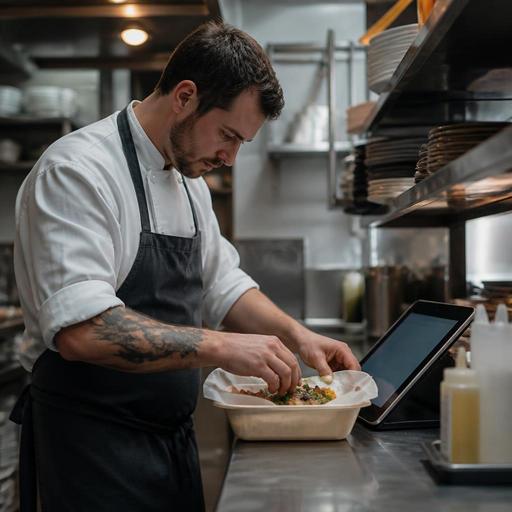
Delivery Menu Engineering for Restaurants: What Works Beyond Dine-In
Delivery-only menu design is not simply a shorter version of your dine-in menu. It is a separate operating tool built for travel time, packaging limits, platform browsing behavior, and kitchen speed. A dish that performs well in the dining room can fail in delivery because texture changes, assembly takes too long, or too many modifiers create order errors. For restaurant owners, the goal is not to upload every item to every channel. The goal is to build a menu that protects food quality, keeps operations controlled, and gives guests a clear ordering experience.
When restaurants treat delivery as its own menu strategy, they usually make better decisions about item selection, naming, prep sequencing, pricing logic, and digital updates. That matters whether you run a single cafe, a multi-location brand, or a delivery-first kitchen. Below is a practical framework for designing a delivery menu that works in real service conditions.
Start with travel performance, not dining room popularity
Many operators begin by asking which dine-in bestsellers should be listed online. A better first question is: which dishes still arrive in good condition after packing, handoff, and transport? Delivery introduces delays, steam buildup, temperature loss, spills, and texture breakdown. Crisp foods soften, layered foods shift, and sauces can overpower dishes during transit.
For example, a plated pasta finished delicately for table service may become heavy if it sits sealed for twenty minutes. A burger with too many wet toppings can make the bun collapse. Fries may still sell well, but they often need a different cut, seasoning timing, or vented packaging to survive the trip better. A grain bowl, wrap, rice dish, braise, or baked pasta often travels more reliably than highly fragile items.
Review each candidate item using simple questions:
- Does it hold temperature reasonably well?
- Does texture remain acceptable after travel?
- Can it be packed without leaks or collapse?
- Can the kitchen produce it consistently during peak periods?
- Does it require too many last-minute finishing steps?
If the answer is no on several points, that item may belong only on the dine-in menu. Delivery menus do not need to showcase everything. They need to protect repeat business by reducing disappointment.
Design for operational speed and fewer mistakes
A strong delivery menu reduces friction in the kitchen. Online ordering can create sudden volume spikes, especially when multiple channels feed into the same line. If your delivery menu includes too many variations, side choices, sauce swaps, and build-your-own paths, ticket complexity rises quickly. That increases training time and order errors.
Instead, simplify the decision tree. Group items around shared ingredients and repeatable station workflows. If three bowls use the same base, two proteins, and a small set of sauces, the kitchen can move faster than if every item has a unique assembly pattern. This does not make the menu boring. It makes the operation more dependable.
Practical actions include:
- Limit modifiers to meaningful choices. Keep only the options guests actually use and that the kitchen can execute cleanly.
- Create bundles carefully. A meal deal can raise average order value, but only if the bundle does not create bottlenecks or packaging confusion.
- Separate fragile add-ons. Toppings like herbs, crunchy onions, or dressings may travel better packed on the side.
- Use clear item names. Guests scrolling on mobile should understand the dish quickly without guessing.
- Standardize portions. Delivery consistency depends on the same build every time, especially when presentation is hidden inside packaging.
Digital menu management helps here because operators can remove low-performing modifiers, pause unavailable items, and update descriptions without reprinting anything. A centralized system is especially useful when the same menu appears on QR menus, direct ordering pages, and delivery workflows.
Write menu descriptions for screens, not servers
In dine-in service, staff can answer questions, suggest pairings, and explain ingredients. In delivery, the menu has to do that work on its own. Guests are often ordering quickly on a phone, comparing several restaurants at once. Your descriptions should be concise, specific, and useful.
Good delivery descriptions answer the practical questions that affect purchase decisions: What is the main protein? Is it spicy? What sides are included? Is the sauce mixed in or served separately? Does the item come as a full meal or just the main component?
Compare these approaches:
- Weak: Chef special chicken bowl.
- Better: Grilled chicken rice bowl with roasted vegetables, sesame sauce, and pickled slaw.
The second version reduces uncertainty. It also lowers the chance of complaints caused by mismatched expectations. If an item is intentionally compact, spicy, shareable, or sauce-heavy, say so clearly.
Photos can help, but they should match the delivered reality, not an idealized dine-in plate. If your digital menu supports image management, use clean, realistic visuals that reflect packaging portions and core ingredients. Accuracy builds trust more effectively than over-styled presentation.
Price and package for the full delivery experience
Delivery menu pricing should reflect more than food cost alone. Packaging, extra prep time, sauce cups, tamper steps, and menu-specific labor all affect margin. Restaurants should review whether certain items need different portioning or structure in delivery to remain worthwhile.
That does not mean simply raising every price. It means engineering the offer. A pasta dish may need a delivery-friendly size and a garlic bread add-on rather than an oversized base portion. A cafe may package iced drinks separately from hot food to preserve quality. A burger concept may choose one side by default instead of offering many low-value substitutions.
Packaging decisions are part of menu design, not an afterthought. Consider:
- Vented containers for fried foods
- Separate compartments for sauces or wet ingredients
- Lids that reduce spills during transport
- Labels for item identification and guest confidence
- Tamper-evident sealing where appropriate
Each packaging choice affects guest perception. A dish that arrives intact and easy to unpack feels more premium, even without luxury ingredients. In contrast, a messy handoff can damage the brand faster than a small pricing adjustment ever could.
Use delivery menu data to refine, not just to react
The best delivery menus are revised regularly. Operators should look beyond total sales and examine which items generate complaints, refunds, remakes, or prep slowdowns. A popular item is not always a healthy item for the business if it creates constant quality issues.
Useful review points include order frequency by daypart, modifier usage, item pause frequency, and kitchen feedback about difficult builds. If one salad sells well at lunch but creates sogginess complaints at dinner because of longer travel times, you may change the dressing format or limit the delivery radius for that item. If a dessert is often forgotten, it may need clearer placement in the production flow or more visible ticket labeling.
This is where connected restaurant systems become valuable. When menu updates, order management, and kitchen communication are aligned, operators can respond faster. They can 86 items, adjust availability by time, simplify categories, and reduce confusion across channels. Even small changes such as reorganizing menu sections or removing duplicate modifier paths can improve both guest experience and staff execution.
Delivery success is rarely about offering the biggest menu. It is about offering the most dependable one. Restaurants that treat delivery as a distinct product, with its own menu logic, usually protect quality better and operate with less stress. If you are reviewing your delivery setup, Restomas can help you manage digital menus and ordering flows in a way that keeps updates practical for both guests and staff.