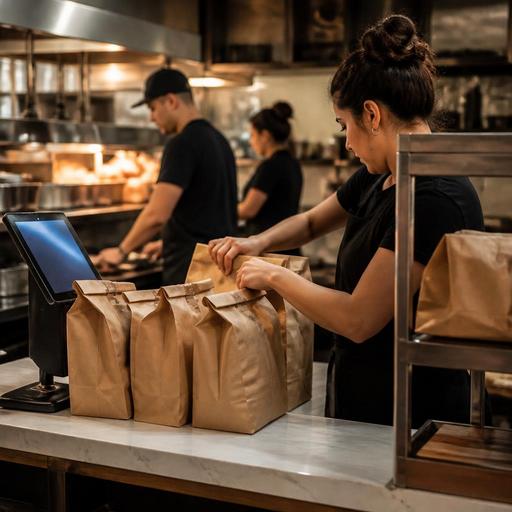
Delivery-Only Menu Design for U.S. Restaurants That Protect Margins
Delivery-only menu design for U.S. restaurants is not just a shorter version of your dine-in menu. It is a separate operating tool built around travel time, packaging, kitchen speed, ticket accuracy, and margin control. Whether you run a neighborhood burger spot in Chicago, a fast-casual bowl brand in Austin, a pizza shop in New Jersey, or a hotel kitchen serving late-night takeout near an airport, your delivery menu should be engineered for off-premise performance first.
American operators also have to think beyond the food itself. Delivery apps, direct online ordering, curbside pickup, pickup shelves, POS integrations, sales tax handling, service charges, tip workflows, and multi-location consistency all affect how a delivery menu should be structured. The goal is simple: sell items that arrive well, are easy to produce during rushes, and create fewer refunds, remakes, and support issues.
Start with foods that survive the trip
The best delivery menu begins with a harsh review of what actually travels well. A dish that performs on a plate in your dining room may fail after 20 minutes in a sealed container. Fried foods can steam and soften, eggs can overcook, ice can melt into beverages, and delicate garnishes can wilt. Operators should build a delivery-only menu around items that hold texture, temperature, and presentation with minimal finishing at the guest's door.
For example, a Nashville hot chicken restaurant may keep tenders and sandwiches on the delivery menu but remove fries loaded with sauce unless the sauce is packed separately. A California-style cafe might offer grain bowls, wraps, and bottled beverages for delivery, while limiting avocado toast because it degrades quickly. A sports bar may find that boneless wings, quesadillas, and sturdy sandwiches travel better than towering nachos or medium-rare burgers with side salad.
- Keep: bowls, pasta, rice plates, sandwiches, tacos with protected packaging, wings, pizza, soups, and baked items that hold heat.
- Modify: sauces on the side, toppings packed separately, fries vented, cold items separated from hot items.
- Remove: dishes that get soggy, melt, separate, leak, or require last-second dining room presentation.
If you serve alcohol where local rules allow takeout or delivery, keep the workflow operational and clear: item availability, packaging, ID check handoff, and staff steps should match current local requirements. Verify state and local alcohol guidance before activating those items.
Engineer the menu for speed, accuracy, and margin
Delivery tickets compete with dine-in checks, phone orders, and pickup orders. That means menu design has to reduce friction in the kitchen. Too many modifier paths, side choices, and build-your-own combinations can slow production and increase mistakes, especially during Friday night peaks or game-day rushes.
A better approach is to simplify decision-making. Instead of offering twelve side options with every entree, choose two or three sides that fit the packaging and station flow. Instead of unlimited protein swaps, create a few high-confidence combinations. A fast-casual salad brand with direct online ordering and third-party delivery may convert custom salads into featured presets such as Chicken Caesar, Southwest Bowl, and Veggie Protein Bowl. Guests still get choice, but the line moves faster and the kitchen display system stays cleaner.
Practical margin moves for U.S. operators
- Bundle intentionally: Create meal bundles for one, two, or family-style ordering to raise average check without adding too many packaging steps.
- Use add-ons that travel well: bottled drinks, cookies, extra sauces, soup cups, side mac and cheese, or packaged desserts.
- Limit low-margin complexity: If an item needs many custom steps and generates frequent complaints, it may not belong on the delivery menu.
- Separate dine-in and delivery pricing logic carefully: Many U.S. operators use different pricing structures across direct ordering and delivery marketplaces. Keep pricing transparent and verify local disclosure expectations, platform terms, and tax treatment with qualified advisors.
Also review packaging cost by item. A profitable-looking entree can become weak if it requires multiple containers, ramekins, seals, and utensils. Track total cost at the menu-item level, not just food cost.
Design digital ordering paths that reduce guest confusion
Good delivery-only menu design is also digital interface design. On a marketplace or your own ordering page, guests should understand the item quickly, choose modifiers without confusion, and know what is included. Missing side information, unclear spice levels, and hidden upcharges create abandoned carts and negative reviews.
Use short, specific item names and descriptions. For example, instead of listing “House Burger,” say “Double Cheeseburger with pickles, onions, and burger sauce.” If fries are not included, say so clearly. If dressing comes on the side, say that too. A barbecue concept in Kansas City can reduce support tickets by listing sauce choices in a simple required modifier group rather than burying options in the description.
- Lead with best-sellers: Put the highest-confidence delivery items at the top of each category.
- Keep modifier groups tight: Required choices first, optional add-ons second, with reasonable quantity limits.
- Use photos selectively: Strong, accurate food photos help conversion, but they should match the packaged experience.
- Mark fulfillment clearly: Delivery, takeout, curbside pickup, and pickup shelf orders should each have clear handoff instructions.
ADA-minded access matters here too. If you use QR ordering, direct online ordering, or digital menus, make sure guests can navigate the experience across common devices and assistive tools as part of your broader accessibility workflow. Specific accessibility obligations can vary by situation, so review current guidance with qualified advisors.
Align the menu with your POS, KDS, and station setup
A delivery menu is only as strong as the system behind it. If your POS, kitchen display system, printer routing, and delivery app integrations are messy, menu design alone will not save the shift. Every item should route to the right station, print with clear modifiers, and appear in the right prep sequence.
Consider a multi-location wing brand operating inside existing casual dining kitchens. If one store calls a modifier “extra wet” and another store uses “sauce heavy,” reporting and training become inconsistent. Standardized item names, modifier sets, packaging instructions, and expo checks help franchise teams and independent multi-unit groups alike.
Use these operational checks:
- Map each item to a station: grill, fry, salad, dessert, beverage, expo.
- Add packaging notes: vent lid, sauce on side, no ice, seal bag, include utensils only when requested if that matches local practice.
- Test busy-hour routing: Run mock orders during lunch and dinner peaks to see where tickets stall.
- Separate pickup from delivery queues when needed: A pickup shelf and courier handoff area should not block dine-in service.
For chains subject to FDA menu labeling rules, remember that digital menu presentation may need to fit your broader compliance approach. Keep operational data organized and verify current federal and local requirements before publishing regulated nutrition information.
Review results weekly and trim the menu without hesitation
Delivery menus should evolve faster than dine-in menus. Review item-level complaints, refund reasons, remake patterns, prep times, and contribution margin every week. If a shrimp taco platter gets strong in-house reviews but repeated delivery complaints in Phoenix and Tampa, remove it from delivery or rebuild the packaging. If a family pasta bundle performs well in suburban takeout and curbside pickup, feature it more prominently on Sundays and school nights.
Watch for patterns by channel too. Some items may do well on direct online ordering because your site explains them better, while the same items underperform on delivery apps with tighter menu layouts. If you operate food trucks, airport concessions, or hotel food service, your off-premise menu may need different packaging and speed standards than a traditional street-side restaurant.
Finally, train staff on the guest-facing details that affect reviews: missing condiments, incorrect modifiers, open containers, and unclear order names. Tip handling, service charges, and sales tax can also create guest confusion depending on channel, so operators should make sure ordering flows and receipts are easy to understand and verify current local rules and reporting expectations with qualified advisors.
A strong delivery-only menu is not bigger. It is tighter, clearer, faster, and built for the real conditions of American off-premise dining. Restomas helps operators organize digital menus, ordering flows, and kitchen-ready item structures so delivery works more smoothly across one location or many.