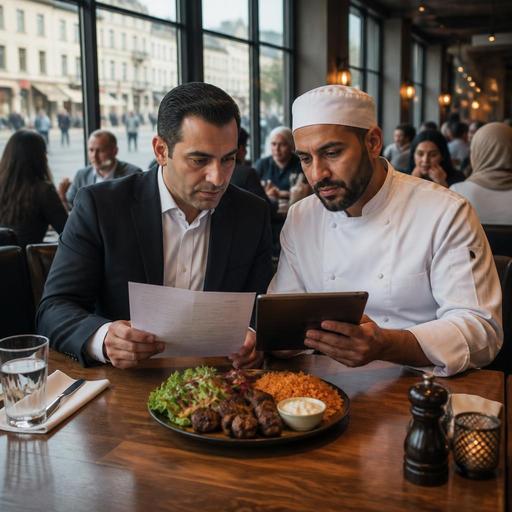
Halal Certification Strategies for Restaurants in Tourist Areas
For restaurants in global tourism destinations, halal certification for restaurants is more than a compliance project. It is an operational decision that affects sourcing, menu design, staff routines, guest trust, and online reputation. Travelers who look for halal-friendly dining are not only choosing dishes; they are evaluating whether a business understands their dietary requirements clearly and consistently. For restaurant owners, that means halal service must be built into daily operations rather than treated as a marketing label.
In tourist markets, the challenge is often complexity. A restaurant may serve local guests, international visitors, group tours, hotel referrals, and online delivery customers at the same time. Menus may change seasonally, suppliers may vary by availability, and front-of-house teams may face repeated guest questions about ingredients, preparation methods, and kitchen separation. A practical halal strategy helps reduce confusion, protect brand credibility, and create a smoother guest experience.
Why halal certification matters in tourist-facing restaurants
In many destinations, visitors make dining decisions quickly through maps, reviews, hotel recommendations, and digital menus. If a guest is unsure whether your restaurant can reliably meet halal expectations, they may move on immediately. Certification can help signal that your processes have been reviewed according to recognized standards, but the business value goes beyond the certificate itself.
For a restaurant serving tourists, halal readiness can improve trust in several ways. First, it gives staff a clearer framework for answering guest questions. Second, it reduces the risk of inconsistent claims across the menu, website, and social channels. Third, it supports partnerships with hotels, travel agencies, tour operators, and concierge teams that need dependable dining recommendations for Muslim travelers.
Consider a family-style seafood restaurant in a coastal tourist district. Fish may appear simple from a halal perspective, but sauces, marinades, desserts, and beverage handling can still create questions. If one staff member says a dish is halal because it contains no pork, while another cannot explain whether the sauce contains alcohol-based ingredients, trust drops quickly. Certification helps the restaurant move from informal assumptions to documented processes.
Build halal compliance into sourcing and menu management
The most common operational mistake is treating halal as a single ingredient issue. In reality, restaurant owners need to review the full chain: suppliers, storage, prep areas, cooking methods, menu descriptions, and service language. This is especially important in tourist-heavy locations where guests may compare your claims with standards they know from their home countries.
Start with supplier verification
Your kitchen can only be as reliable as your supply chain. Review meat, poultry, processed ingredients, sauces, stocks, desserts, and packaged items. Ask suppliers for current halal documentation where relevant, and keep records organized. If a supplier changes product formulation or substitutes items during peak season, update internal documentation immediately.
For example, a burger restaurant in a city center may use halal-certified beef patties but overlook cheese sauces, seasoning blends, or buns made with emulsifiers from unclear sources. A certification process encourages a more disciplined review of every ingredient category rather than focusing only on the headline protein.
Control menu versioning carefully
Tourist restaurants often operate multiple menu formats: printed menus, QR menus, aggregator listings, hotel menus, social media highlights, and in-store displays. If halal labeling appears in one place but not another, confusion follows. Menu management should include a single source of truth for dish names, ingredient notes, allergen information, and halal status.
This is where digital menu tools can support consistency. When a dish changes, the update should be reflected quickly across guest-facing channels so staff are not explaining outdated information. If a chicken dish is temporarily unavailable and replaced with a product from a non-approved source, the halal claim must be removed immediately until compliance is restored.
Clarify what your restaurant offers
Not every restaurant needs to position itself the same way. Some are fully halal. Others offer selected halal-certified dishes. Some operate halal-friendly menus with clear limitations. Problems usually begin when the actual operating model is not explained honestly.
- Fully halal restaurant: all relevant ingredients and preparation processes follow halal requirements.
- Partially halal menu: specific dishes are halal, while others are not.
- Halal-friendly communication: the restaurant explains what it can accommodate and where limitations exist.
Being precise is better than being vague. Guests appreciate clarity, especially when traveling with children, elderly family members, or organized tour groups.
Train staff to answer guest questions with confidence
Certification efforts often fail at the table, not in the kitchen. A well-documented back-of-house system still creates a poor guest experience if front-of-house staff cannot answer basic questions calmly and accurately. In tourist markets, these conversations happen every day, often in simple English between guests and multilingual teams.
Staff training should cover more than memorized phrases. Team members need to understand the difference between halal ingredients, halal-certified suppliers, cross-contamination risks, and dishes that should not be recommended. They should also know when to escalate a question to a supervisor instead of guessing.
- Create a short internal guide for all menu items with approved answers.
- Train hosts and servers on the exact wording used to describe halal options.
- Review common guest questions during pre-shift meetings.
- Set a rule that uncertain staff must check rather than improvise.
- Update the team immediately when suppliers or recipes change.
Imagine a busy restaurant near a major attraction during the evening rush. A guest asks whether the grilled chicken platter is halal and whether it is cooked on a shared grill with non-halal items. A trained server can answer clearly or bring a supervisor in without delay. An untrained server may give a vague response that causes the entire table to leave. In tourist markets, one unclear interaction can affect both immediate revenue and future review scores.
Use digital systems to protect consistency and guest trust
Halal certification is easier to maintain when information flows are controlled. Restaurants that rely on verbal updates, handwritten notes, or memory are more likely to create inconsistencies. Digital systems help owners standardize how menu information, supplier changes, prep notes, and service instructions are shared.
A QR menu can help present halal dish details, ingredient notes, and language options more clearly for international guests. Order management tools can reduce kitchen confusion when dishes require specific handling. Reservation notes can help teams prepare for tour groups or families with dietary requirements before they arrive. These are not replacements for certification, but they support the discipline needed to maintain standards in real operations.
For instance, if a restaurant receives a large booking from a hotel concierge for a Muslim travel group, operational notes can flag approved menu packages, beverage exclusions, and service timing. This avoids last-minute improvisation and helps both the kitchen and floor team stay aligned.
Communicate halal status honestly in marketing and guest experience
Once a restaurant has built a reliable process, communication becomes easier and more credible. The key is to avoid broad claims that are not supported by actual operations. Instead of using halal language loosely in social posts or directory listings, explain your status clearly and consistently.
Your communication should align across:
- Google Business and map listings
- Website and digital menu pages
- Social media bios and post captions
- Hotel and tour partner materials
- In-store menu descriptions and staff language
If certification is pending, say so carefully rather than implying approval. If only certain dishes are certified or sourced through halal-approved channels, label those dishes specifically. This level of precision helps avoid misunderstandings, negative reviews, and difficult guest conversations during service.
Restaurant owners should also think beyond labels. Guests notice whether staff are informed, whether menu details are easy to find, and whether the restaurant handles questions respectfully. Trust is built through the full experience, from discovery to payment.
For tourist-market restaurants, halal certification works best when it is supported by disciplined sourcing, accurate menu management, staff training, and transparent communication. That combination turns a sensitive compliance topic into a practical service advantage. And when digital tools help keep menus, orders, and guest information aligned, maintaining that trust becomes much more manageable at scale. Restomas can help restaurants organize those guest-facing and operational details in one clearer digital workflow.