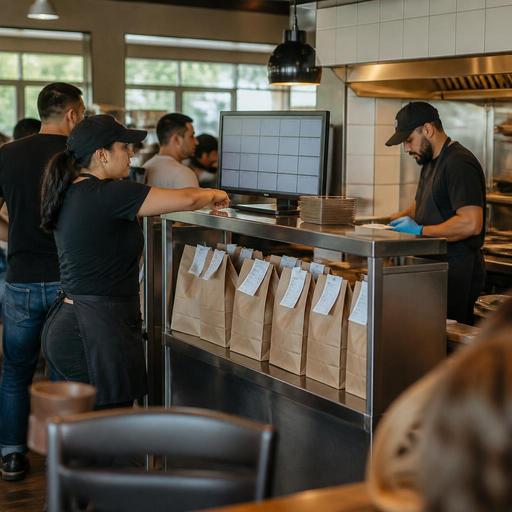
How Clearer Order Routing Reduces Restaurant Staff Burnout
Clearer order routing reduces restaurant staff burnout by removing the daily friction that wears down servers, cooks, bartenders, cashiers, and expo leads. In many U.S. restaurants, burnout does not start with one big crisis. It starts with the same small breakdowns repeated all shift long: a delivery app ticket printing at the wrong station, a bar drink buried under takeout orders, a curbside pickup check missing from the pickup shelf flow, or a server walking back to the kitchen to clarify mods that should have been routed correctly the first time. When operators tighten order routing, they protect speed, accuracy, and team energy at the same time.
For a neighborhood diner, a fast-casual bowl concept, a sports bar, or a hotel restaurant handling room service and lobby takeout, the goal is the same: every order should arrive at the right station, in the right format, at the right moment, with the right context. That sounds simple, but in practice it requires decisions about channels, prep stations, timing, handoff, and ownership.
Why routing problems feel like staffing problems
Many operators assume burnout is only about being short-staffed. Sometimes that is true, but many teams are also overworked because the workflow is messy. A five-person line can feel like a three-person line when routing is inconsistent. If grill, fry, salad, and bar all receive information differently, staff spend mental energy translating tickets instead of making food and drinks.
Consider a typical U.S. fast-casual lunch rush. Orders come from the front counter, direct online ordering, two delivery apps, and a catering inquiry. If one channel sends full modifier detail to the kitchen display system, another prints a long paper ticket, and a third requires staff to re-enter items into the POS, the team is doing duplicate work before cooking even begins. That duplication is a burnout trigger because it creates preventable stress.
The same thing happens in full-service restaurants. A server enters a check for table 12, a bartender receives a partial drink ticket, and expo does not see that one guest requested no dairy while another added a side. The kitchen then stops to ask questions, the server gets pulled off the floor, and table turns slow down. Tips can suffer when service feels disorganized, which adds another layer of frustration for tipped staff. Operators should also make sure service charges, auto-gratuity workflows, and tip reporting processes are clearly separated in their systems and staff training, and verify current federal, state, and local requirements with qualified advisors.
Map every order source before changing technology
Before adding new tablets, printers, or kitchen screens, map the actual order flow. Most routing problems become obvious once you write them down. Start with every source of demand and every destination inside the operation.
- Dine-in server orders through the POS
- Counter orders at a register or kiosk
- QR ordering from the table or patio
- Direct online ordering for takeout
- Delivery app orders
- Phone orders entered manually
- Curbside pickup orders
- Catering or large-party preorders
- Bar tickets
- Room service for hotel restaurants
- Concession rushes in airport or stadium settings
Then map where each order should go: grill, fry, pantry, dessert, bar, expo, pickup shelf, curbside runner, or cashier. Include timing rules. A milkshake for dine-in may need to fire later than a burger. A pickup order may need a promise time that staggers production so fries do not die in the window. A food truck may need one simplified queue because space is tight, while a multi-location brand may need the same routing logic standardized across stores with local menu variations.
This mapping exercise also helps with ADA-minded access. If you use QR ordering or digital menus, think operationally about guests who may need another ordering option, a staff-assisted path, or a readable alternative format. Accessibility expectations can vary by context, so operators should review current guidance and local requirements with qualified advisors.
Build routing rules that match real stations and handoff points
Once the map is clear, create routing rules around station reality, not around how the menu was originally written. Your menu category names may not reflect how the kitchen actually works. For example, “combos” may touch grill, fry, and beverage, while “brunch” may involve pantry, egg station, and bar. If routing follows menu labels instead of prep ownership, staff will constantly correct the system by hand.
Examples from U.S. operations
At a suburban sports bar, wings, burgers, and draft beer can hit three different production areas. If third-party delivery orders print at the host stand first, the host becomes a traffic controller during the dinner rush. A better setup routes food to the kitchen display system, drinks to the bar queue, and completed orders to a dedicated pickup shelf workflow with expo ownership.
At a coffee shop with breakfast sandwiches and mobile pickup, pastry items may be ready immediately while espresso drinks need live sequencing. Routing should separate instant-grab items from made-to-order items so baristas are not interrupted by customers asking whether a mobile order is complete.
At a hotel restaurant, room service needs different packaging, cutlery, and check-close steps than lobby dine-in. If those orders are not tagged clearly, staff can miss tray setup or send food in the wrong format.
- Route by station ownership. Send each item to the team that actually produces it.
- Route by service channel. Dine-in, takeout, delivery apps, and curbside pickup need different timing and packaging cues.
- Route by firing logic. Hold or pace items that should not start at the same time.
- Route by handoff. Define whether expo, cashier, bar, or a runner owns final completion.
- Route by exception. Make modifiers, allergens, and out-of-stock substitutions highly visible.
For chains and multi-location groups, this is also where menu labeling and tax workflows can affect operations. If you manage chain menu obligations, alcohol service, service charges, or location-specific sales tax handling, build system rules carefully and verify current requirements with official guidance and advisors rather than relying on habit.
Reduce burnout by removing avoidable decisions during peak periods
Burnout rises when staff must make too many small decisions under pressure. Good routing reduces those decisions. A line cook should not have to guess whether a ticket is dine-in or delivery. A cashier should not have to ask where to place every completed bag. A server should not have to chase the kitchen to find out whether a side of ranch was rung in.
Create visible, repeatable cues. Use concise order tags for takeout, curbside pickup, and delivery app orders. Separate pickup shelves by status if volume justifies it. Give expo a clear closeout checklist: packaging, condiments, utensils, drinks, guest name, and handoff channel. In a QSR or fast-casual setup, use simple screen states so the front counter can see whether an order is in production, ready, or waiting on one item.
Labor scheduling also improves when routing is cleaner. Once your order channels are consistently tagged, you can see when the bar gets slammed by patio QR orders, when curbside pickup peaks, or when delivery app demand overwhelms fry station. That makes it easier to schedule the right support roles instead of just adding more general labor. Labor rules vary by state and city, so review scheduling, breaks, and wage practices with qualified advisors.
A 30-day action plan for operators
If you want fast progress without a full rebuild, focus on one month of operational cleanup.
- Week 1: Audit every order source and document where tickets currently go.
- Week 2: Identify the top five routing failures causing remakes, delays, or staff interruptions.
- Week 3: Update POS, kitchen display, QR ordering, and printer rules so channels and stations are clearly separated.
- Week 4: Train staff on the new flow, then review peak-period performance and adjust.
Ask your team one direct question at the end of each week: What order confusion wasted the most energy this week? That question often reveals more than a stack of reports. A bartender may point to duplicate drink tickets. A food truck crew member may point to unclear pickup names. A diner server may point to mods buried in long tickets. Fixing those details is how you lower stress in the real world.
Clearer routing will not solve every staffing challenge, but it can remove a surprising amount of exhaustion from the shift. When the right order reaches the right station with the right timing, teams move with less friction, guests get a smoother experience, and managers spend less time putting out fires. Restomas can support that kind of operational clarity by connecting digital menus, ordering channels, and kitchen workflows into a cleaner day-to-day system.
