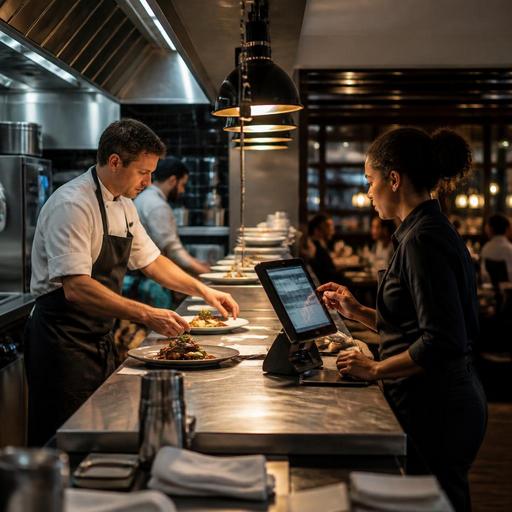
How Digital Kitchen-to-Runner Handoffs Reduce Restaurant Order Errors
In busy service, digital kitchen-to-runner communication can solve one of the most common and costly restaurant problems: verbal handoff errors between the pass and the floor. When chefs call plates, runners mishear modifiers, and servers pick up incomplete orders, small communication gaps quickly turn into remakes, delays, and guest frustration. A practical digital handoff process gives the kitchen, runners, and front-of-house team one shared source of truth.
Why verbal pass communication breaks down during peak hours
Many restaurants still rely on chefs shouting table numbers, seat positions, allergy notes, and pickup timing across a noisy line. That system can work in a small dining room with a stable team, but it becomes fragile as soon as volume rises, music gets louder, multiple stations fire at once, or newer staff join the shift. The problem is not that team members are careless. The problem is that spoken information disappears the moment it is said.
Consider a common dinner rush scenario. A grill cook finishes two steaks for table twelve, but one must go out without butter and the other needs an extra sauce. At the same moment, the expo is checking a late side dish, a runner is asking which table gets the seafood pasta, and a server is clarifying an allergy request. If the handoff depends on memory and voice alone, the chance of a wrong plate leaving the pass increases immediately.
Verbal breakdowns usually appear in a few repeat patterns:
- Modifiers are missed, such as no onion, dressing on the side, or sauce changes.
- Seat positions are forgotten, forcing servers to auction food at the table.
- Orders are run incomplete because one side, drink, or add-on is still in progress.
- Allergy or dietary notes lose visibility once the original order leaves the POS screen.
- Runners interrupt cooks to ask what is ready, creating more noise and more confusion.
Each of these errors affects more than speed. They also affect guest trust. A guest may forgive a short wait, but they are less likely to forget the feeling that the restaurant did not have control of their order.
What a digital chef-to-runner handoff looks like in practice
A digital handoff does not need to be complicated. At its best, it simply makes the status of every order visible to the right person at the right time. Instead of relying on a shouted update, the kitchen marks items or full tickets as ready, and runners see a clear queue for pickup. The pass becomes less about repeating information and more about checking accuracy.
In practical terms, an effective handoff flow often includes:
- Orders enter one system clearly, with modifiers, seat notes, allergy flags, and timing instructions attached to the ticket.
- Kitchen stations update status as items move from firing to ready.
- Expo or pass staff confirm completeness before release, especially for multi-item tables.
- Runners see a pickup-ready view showing table number, items, and any critical notes.
- Front-of-house can track delays without repeatedly entering the kitchen to ask for updates.
For example, imagine a brunch service where table twenty-one orders eggs, pancakes, and coffees with several substitutions. The hot line finishes first, but the coffees are still being prepared. In a verbal system, the food may be run early and sit, or the runner may take only part of the order because they hear “twenty-one ready.” In a digital system, the runner sees whether the table is partially ready or fully ready, and the expo can hold release until the order matches the restaurant’s service standard.
This is especially useful in restaurants that manage dine-in, takeaway, and delivery simultaneously. When multiple channels hit the kitchen at once, a digital queue helps staff distinguish what is ready for a table runner, what belongs to a pickup shelf, and what still needs packaging.
How to redesign the handoff process without slowing the team down
Restaurant owners sometimes worry that adding screens or status updates will create extra steps. In reality, the goal is the opposite: reduce repeated questions, duplicate movement, and avoidable corrections. The best implementation starts with process design, not hardware.
1. Map your current error points
Spend several services observing where handoff mistakes actually happen. Are runners taking plates before the full table is ready? Are cooks plating correctly but missing verbal allergy reminders? Is the expo station overloaded with questions? Write down the exact moments where spoken information fails.
2. Define what “ready” means
Some restaurants mark a ticket ready when the first plate hits the pass. Others do it only when the full order is complete. Choose one rule and train to it. If you use both full-ready and partial-ready statuses, make them unmistakably different so runners do not guess.
3. Standardize visible ticket details
Not every note deserves the same visual weight. Allergy alerts, seat numbers, missing-item dependencies, and hold instructions should stand out more than ordinary modifiers. The point is not to show more information. The point is to show the right information clearly.
4. Give runners a single pickup view
Runners should not need to interpret kitchen station screens. They need one simple view that tells them what can leave the pass now, where it goes, and whether there are special delivery notes. This reduces interruptions and helps newer staff contribute faster.
5. Keep verbal communication for exceptions
Digital systems work best when voice is reserved for unusual situations: a VIP recovery, a refire, a major delay, or a last-second guest change. If everything is shouted, nothing feels important. If routine information is digital, urgent exceptions become easier to hear.
Training staff to trust the system and avoid workarounds
Even a strong process can fail if staff continue using old habits. One common issue is the unofficial shortcut: a runner grabs food based on memory, or a cook waves someone over without updating status. These workarounds usually come from good intentions, but they weaken consistency.
To build adoption, train each role around one simple responsibility. Cooks update status accurately. Expo verifies completeness. Runners collect only from the ready queue. Servers check progress from the system before walking into the kitchen. Clear ownership matters more than long training manuals.
Pre-shift meetings are a good place to reinforce expectations with concrete examples:
- If a plate has an allergy note, the runner confirms the note on the pickup screen before leaving the pass.
- If a table is missing one item, the expo decides whether to hold or split the run according to house policy.
- If a guest changes a side dish late, the update must appear in the shared system, not only in a verbal message.
It also helps to review service mistakes without blame. Instead of asking, “Who ran the wrong plate?” ask, “Where did the handoff lose clarity?” This keeps the team focused on process improvement rather than defensiveness.
Operational gains restaurant owners should look for
The immediate benefit of digital handoffs is fewer verbal errors, but the wider operational value is control. When handoffs become visible, managers can identify recurring bottlenecks more easily. They can see whether delays come from one station, whether certain menu items create repeated confusion, or whether the pass is releasing orders inconsistently.
Over time, owners and operators should look for improvements in areas such as:
- Order accuracy at the table, especially for modifiers and allergies.
- Runner efficiency, with fewer return trips and fewer interruptions at the line.
- Ticket flow visibility across dine-in, pickup, and delivery.
- Training speed for new runners and expo staff.
- Guest experience, with fewer awkward table-side corrections and less food auctioning.
Menu management also plays a role here. If a menu is full of unclear modifier logic, duplicate item names, or inconsistent side choices, handoff errors will continue even with better tools. Clean digital menu structures, clear item naming, and standardized option sets make kitchen-to-runner communication easier from the start.
For restaurants adopting broader digitization, this is where connected systems matter. When ordering, kitchen status, and front-of-house visibility are aligned, teams spend less energy translating information between people and more energy executing service well. Platforms like Restomas can support that shift by helping restaurants centralize digital menus, order flow, and operational coordination in one environment.
A restaurant does not need to eliminate human communication to improve service. It simply needs to stop using memory and noise as the main transport system for critical order details. If your team still depends on shouted table numbers and repeated pickup questions, digitizing the handoff between chef, expo, and runner may be one of the clearest operational upgrades you can make. If you are reviewing your service flow, Restomas can help you connect digital ordering and kitchen communication in a more practical day-to-day setup.
