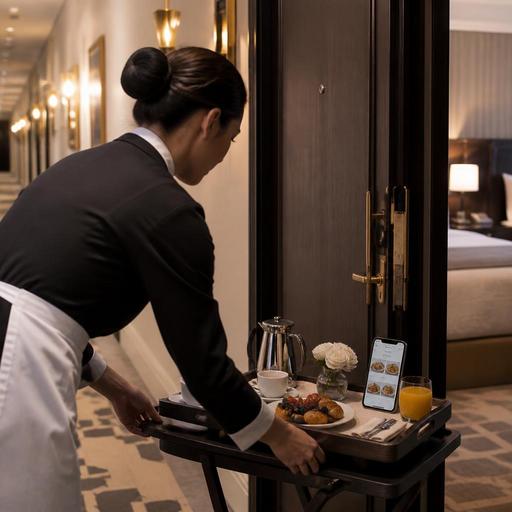
How Hotel Restaurants Can Digitize Room Service Without Losing Hospitality
Digitizing room service for hotel restaurants is no longer just a convenience project. It is a practical way to reduce ordering friction, improve menu accuracy, support staff during busy periods, and give guests a smoother in-room dining experience. For hotel restaurants, the challenge is not simply putting a menu online. The real goal is to build a room service system that feels easy for guests, clear for staff, and dependable across the kitchen, front desk, and service team.
Why room service digitization matters in hotel operations
Traditional room service often breaks down in small but costly ways. Printed menus go out of date. Guests call with questions about availability, allergens, or service hours. Staff rewrite orders or relay them verbally to the kitchen. A simple breakfast order can involve the guest, front desk, restaurant host, kitchen team, and a runner, which creates many points where mistakes can happen.
A digital room service setup helps hotel restaurants create one reliable source of truth. When a guest scans a QR code in the room or opens a branded ordering link, they can see the current menu, available service times, item details, modifiers, and notes. That removes guesswork and reduces the need for staff to explain the same information repeatedly.
This is especially useful in hotels where room service demand changes by daypart. Breakfast may need speed and clarity, while late-night service may need a smaller menu that the kitchen can execute with limited staff. A digital system makes those changes easier to manage without reprinting menus or retraining staff every time.
Build a room service menu for in-room decision making
A room service menu should not be a copy of the restaurant dining room menu. Guests ordering from a hotel room behave differently. They may be tired, traveling with children, working late, or ordering in a hurry before checkout. The menu needs to support fast decisions and predictable execution.
Start by organizing the menu around common in-room needs. Instead of long category lists, think in terms of guest situations: quick breakfast, light lunch, comfort food, family sharing, late-night bites, and beverages. This structure helps guests find what they need without scrolling through too many options.
Good digital menu management for room service should include:
- Clear availability windows so breakfast items do not appear during late-night service.
- Simple modifiers such as egg style, side choice, sauce selection, or no-cutlery requests.
- Allergen and dietary notes that answer common questions before the guest places the order.
- Preparation guidance for items that travel well versus items best enjoyed immediately.
- Upsell options that feel natural, such as juice with breakfast or dessert with dinner.
For example, a club sandwich may perform well in room service because it travels reliably and is easy to understand. A highly plated dish from the main restaurant may look impressive on-site but arrive in the room with reduced quality. Digitization works best when the menu is built around operational reality, not only brand ambition.
Connect ordering flow with kitchen and service execution
The biggest operational benefit of digitizing room service comes after the guest taps the order button. If orders are still copied manually into another system, many of the original problems remain. Hotel restaurants should review how a digital order moves from guest to kitchen to delivery.
A practical workflow often looks like this:
- The guest opens the digital room service menu from a QR code, tablet, or direct link.
- The guest selects items, adds room details, and includes notes.
- The order goes directly to the restaurant team or integrated operational system.
- The kitchen receives a clear ticket with modifiers and room number.
- The service team gets notified when the order is ready for delivery.
- The guest receives a status update or estimated timing where possible.
This process reduces back-and-forth phone calls and helps staff focus on preparation and delivery instead of order interpretation. It also gives managers a better view of peak periods. If breakfast orders spike between a narrow time window, the team can plan prep, tray setup, and runner coverage more effectively.
In practical terms, even a simple digital order management setup can help avoid common room service errors such as missing side items, unclear room numbers, duplicated orders, or handwritten notes that are difficult to read. For hotels with a restaurant, bar, and limited overnight kitchen team, this clarity becomes even more important.
Train staff around exceptions, not just the system
Technology alone does not create good room service. Staff training should focus on the situations where service can still fail. When hotel restaurants digitize room service, the strongest teams prepare for exceptions instead of assuming every order will be standard.
Train front-of-house, kitchen, and delivery staff on questions like these:
- What happens if a guest calls instead of ordering digitally?
- How should the team handle an item that just sold out?
- Who confirms special allergy requests?
- What is the process if the guest entered the wrong room number?
- How does the team manage tray pickup requests after delivery?
For instance, if a hotel offers both in-room QR ordering and phone ordering, staff should enter phone orders into the same digital workflow whenever possible. That keeps reporting cleaner and prevents parallel systems from causing confusion. Likewise, if a dish becomes unavailable, the menu should be updated quickly so guests do not continue ordering an item the kitchen cannot produce.
Managers should also create service standards around timing and communication. If a guest orders soup, a main course, and tea, should everything arrive together or in sequence? If a delay happens, who informs the guest? Digital tools support these decisions, but operators still need to define them clearly.
Use guest experience details that make digital room service feel premium
Some hotel operators worry that digitization makes room service feel less personal. In reality, poorly managed phone ordering often feels less premium than a thoughtful digital experience. Guests value clarity, speed, and confidence. A digital system can still feel warm if it is designed carefully.
Focus on details that improve comfort:
- Use appetizing but realistic item names and descriptions that help guests order quickly.
- Offer useful guest notes such as extra napkins, child-friendly setup, or no-doorbell delivery.
- Show service hours clearly so expectations are set before the guest starts ordering.
- Make mobile navigation easy since many guests will order from their phones.
- Keep branding consistent with the hotel and restaurant style without making the interface crowded.
Consider a business traveler arriving late. They may want a fast, quiet order with no phone call, no uncertainty, and a clear ETA. Or think about a family that wants breakfast for two adults and one child with simple customizations. A digital room service flow can serve both needs better than a static paper menu and a busy phone line.
This is where platforms that support QR menus, menu updates, and organized order handling can fit naturally into hotel restaurant operations. The value is not just digital presentation. It is the ability to keep menus current, route orders more clearly, and reduce friction between guest request and staff execution.
Practical steps to launch or improve digital room service
Hotel restaurant owners and managers do not need to redesign everything at once. A phased rollout is often more effective than a full replacement project.
- Audit the current room service journey. Track where delays, errors, and repeated guest questions appear.
- Create a room-service-specific digital menu. Remove items that do not travel well or create frequent mistakes.
- Set daypart rules. Build separate breakfast, all-day, and late-night availability where needed.
- Standardize modifiers and notes. Keep customization useful but controlled.
- Align kitchen and delivery workflow. Make sure orders move clearly from guest to preparation to runner.
- Train for exceptions. Build scripts and procedures for sold-out items, allergies, and phone orders.
- Review feedback weekly. Look for patterns in delays, popular items, and guest confusion points.
The hotels that do this well usually treat room service as a living operational channel, not a static menu. They adjust based on guest behavior, staffing realities, and kitchen capacity. That is exactly where digital tools become most valuable: they make updates faster, cleaner, and easier to manage across teams.
For hotel restaurants looking to modernize room service without losing hospitality, Restomas can help bring menus, ordering, and operational flow into one simpler digital experience.
