How Pre-Order Systems Help Bakeries and Patisseries Sell Smarter Daily
For bakeries and patisseries, a pre-order system for bakeries and patisseries is more than a convenience feature. It is a practical way to match daily production with real demand, reduce last-minute pressure, and give guests a more reliable buying experience. When customers can reserve celebration cakes, breakfast boxes, seasonal pastries, or limited-run items in advance, owners gain clearer visibility into what needs to be prepared, when it should be ready, and how staff should organize the day.
Unlike many restaurant formats, bakeries often face a difficult balance between freshness and forecasting. Produce too much, and waste increases. Produce too little, and best-selling items sell out early, disappointing customers who may not return. A well-structured pre-order workflow helps solve both problems by turning uncertain demand into planned demand. It also creates a stronger connection between digital ordering, menu management, kitchen timing, and front-of-house service.
Why pre-orders fit bakery operations especially well
Bakery demand is often concentrated around narrow time windows. Morning pastry rushes, lunch pickup periods, holiday spikes, and weekend cake collections all create pressure. At the same time, many products require advance preparation, proofing, baking, cooling, decorating, packaging, or allergen-safe handling. That makes bakeries ideal candidates for pre-order systems.
Consider a neighborhood patisserie that sells custom fruit tarts, croissants, sourdough loaves, and coffee. Walk-in demand may cover croissants and drinks, but whole cakes and specialty desserts usually need planning. If those items are handled through phone calls, handwritten notes, and staff memory, mistakes become likely. Pickup times can be confused, customization details can be missed, and production can become uneven. A digital pre-order setup creates one visible source of truth.
It also helps owners separate make-to-stock items from make-to-order items. For example, plain croissants may remain available for walk-ins, while pistachio cream boxes for weekend brunch can be listed as pre-order only. This distinction protects quality and helps the team prioritize labor where it matters most.
What a good bakery pre-order system should include
Not every pre-order process needs to be complex, but it should be clear for both guests and staff. The goal is to remove ambiguity before production begins.
1. Clear item availability
Each product should show whether it is available for same-day pickup, next-day pickup, or requires a longer lead time. A wedding cake and a box of cookies should not follow the same ordering logic. Guests need to understand the timeline before they place the order.
2. Pickup time selection
Pickup windows should reflect actual store capacity. If too many customers arrive at the same minute on Saturday morning, the front counter becomes congested. Controlled time slots help distribute traffic and reduce waiting.
3. Customization fields
Bakeries often need message text, serving size, flavor choice, decoration notes, allergen details, or packaging preferences. These should be captured in structured fields rather than left to informal comments whenever possible.
4. Product status visibility
Staff should be able to see whether an order is new, in preparation, ready for pickup, or completed. This is especially useful when multiple team members handle baking, finishing, packing, and handoff.
5. Menu control
If a seasonal tart is sold out or a holiday item is no longer available, the digital menu should be easy to update. This is where menu management matters: the pre-order system only works well if availability stays accurate.
- Example: A bakery can open pre-orders for Mother’s Day pastry boxes one week early, limit available quantities, and close orders automatically when capacity is reached.
- Example: A patisserie can offer standard cake sizes with fixed pickup times while requiring manual approval only for highly customized celebration cakes.
- Example: A cafe-bakery can list office breakfast trays as weekday pre-order items only, preventing confusion during busy weekends.
How pre-orders improve production planning and reduce waste
One of the most important benefits of pre-orders is operational clarity. When owners know what has already been sold before the morning shift begins, they can plan batches more confidently. This affects ingredients, labor, prep timing, packaging, and display strategy.
Imagine a bakery that usually guesses how many cinnamon rolls to prepare for Friday. Some weeks it sells out too early; other weeks trays remain unsold. With pre-orders, part of that demand becomes fixed in advance. The team can reserve a known quantity for pickup orders and then produce an additional amount for walk-in traffic based on recent patterns. The result is not perfect forecasting, but it is far better than relying only on instinct.
Pre-orders are also useful for premium items with higher food cost or limited ingredients. If a pistachio entremet uses expensive components, the bakery can produce according to confirmed demand instead of speculative demand. This protects margin and reduces unnecessary waste.
To make this work, owners should review pre-order data regularly and turn it into simple planning habits:
- Check next-day and same-week pre-orders at a fixed time each day.
- Separate confirmed pre-order quantities from forecasted walk-in quantities.
- Assign production timing by product type: bake early, finish later, decorate near pickup.
- Reserve packaging and labels for pre-sold items first.
- Use sold-out controls to prevent orders beyond capacity.
When connected to a digital operations flow, this process becomes easier to repeat. A platform such as Restomas can support that routine by helping businesses manage digital menus, incoming orders, and organized service workflows in one place.
Creating a smoother guest experience from order to pickup
Guests do not judge bakery service only by taste. They also remember whether ordering felt easy, whether pickup was organized, and whether the product matched expectations. A pre-order system improves all three when designed well.
For the customer, convenience starts with clarity. If the menu explains lead times, portion sizes, flavors, and pickup options, fewer questions need to be answered by phone or direct message. That saves staff time and reduces misunderstandings. For repeat buyers, the process becomes even more valuable because they can reorder familiar items quickly.
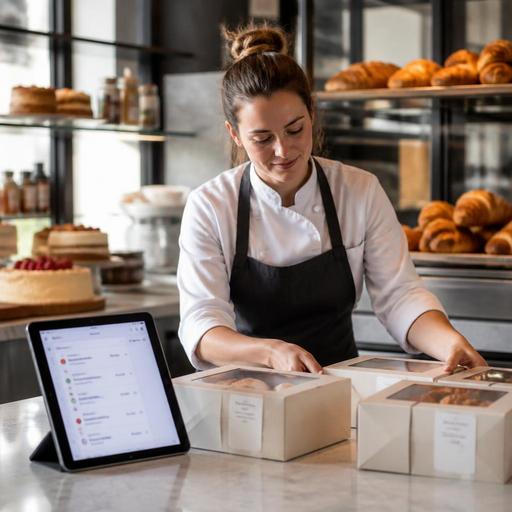
Pickup is another crucial moment. A separate shelf, labeled bags, and order status visibility can make a bakery feel calm even during peak periods. Instead of asking staff to search through boxes while a line forms, the team can prepare pre-orders in sequence and hand them over efficiently.
There is also a trust benefit. If a guest orders a birthday cake for 4:00 p.m. Saturday, reliability matters as much as presentation. A digital process helps ensure the order is recorded correctly and completed on time. That reliability can turn one-time celebratory purchases into long-term loyalty.
Practical steps to launch or improve your bakery pre-order workflow
If your bakery currently handles pre-orders through calls, messaging apps, and paper notes, the best upgrade is usually a simple structured system rather than a complicated one. Start with your highest-friction products first.
Focus on the right products
Begin with items that already create operational complexity, such as whole cakes, dessert boxes, holiday assortments, catering trays, or limited daily specials. These are the products most likely to benefit from advance scheduling.
Standardize before you scale
Reduce avoidable variation. Offer clear size options, flavor selections, and pickup windows. Free-form ordering may feel flexible, but too much flexibility often creates production stress.
Train staff around one workflow
Everyone should know where orders appear, who confirms them, how changes are handled, and when items are marked ready. The system only works if the team follows the same process.
Promote pre-orders where customers already engage
Use your Instagram bio link, QR menu, website, and in-store counter messaging to guide customers toward ordering ahead. If people discover your weekend specials on social media, they should be able to reserve them easily before they sell out.
Review and refine weekly
Look for repeated issues: missed pickup slots, confusing customization requests, products that should have longer lead times, or items that deserve quantity caps. Small adjustments can significantly improve reliability.
For bakeries and patisseries, pre-orders are not just a digital add-on. They are a practical operating tool that supports better planning, cleaner handoffs, stronger guest trust, and more controlled growth. If you want to bring bakery pre-orders, digital menus, and order flow into one organized system, Restomas offers tools that can help you do it more smoothly.
