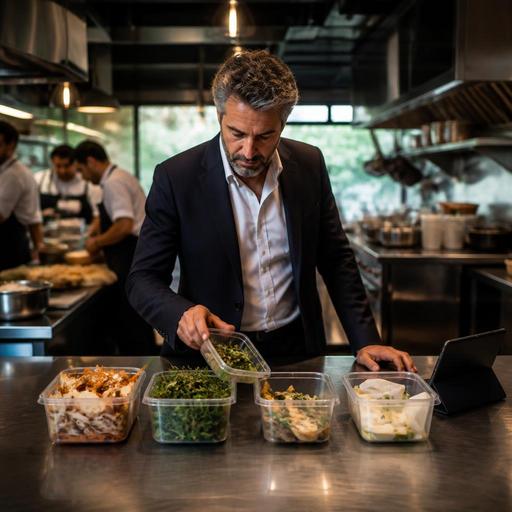
How Restaurants Can Analyze Waste by Category and Reduce Losses
Restaurant waste analysis by category gives operators a practical way to move beyond vague ideas about food cost problems and identify exactly where losses happen. Instead of treating waste as one large number, restaurants can separate it into prep waste, spoilage, overproduction, plate waste, and order errors. That makes it easier to assign responsibility, improve routines, and protect margins without lowering quality. For owners and managers, the goal is not only to record what was thrown away, but to understand why it happened and what should change next.
Why category-based waste analysis works better than general tracking
Many restaurants know they have waste, but their records are too broad to support action. A note such as five kilos discarded does not explain whether the issue came from poor storage, oversized prep, inaccurate forecasting, or service mistakes. When waste is grouped by category, patterns become visible.
A simple category structure can include the following:
- Prep waste: trimming losses, expired mise en place, or incorrect batch preparation
- Spoilage: ingredients lost because shelf life ended or storage conditions failed
- Overproduction: cooked items prepared in excess of actual demand
- Plate waste: food consistently left unfinished by guests
- Order errors: dishes remade because of cashier, kitchen, or service mistakes
These categories matter because each one points to a different operational fix. Spoilage often suggests inventory rotation or purchasing issues. Plate waste may signal portion sizing or menu mismatch. Order errors often reveal communication problems between front of house and kitchen. By separating them, a restaurant can stop guessing.
How to build a useful restaurant waste log
The best waste logs are simple enough for staff to use during a busy shift and specific enough for managers to review later. If the process is too detailed, the team will skip it. If it is too vague, the data will not help.
For each waste entry, record:
- Item name
- Waste category
- Quantity
- Time and station
- Reason
- Staff note when needed
For example, a brunch cafe may log that six portions of avocado spread were discarded at 3 p.m. under spoilage because prep volume exceeded weekday demand. A grill restaurant may record two remade burgers under order errors because modifiers were missed during handoff. A bakery cafe may note unsold soup at closing under overproduction after a rainy-day forecast led to heavier prep than actual traffic supported.
These examples are useful because they connect waste to timing and context. Managers can then compare waste by daypart, station, menu item, or shift team. That is where action starts.
Turning each waste category into an operational response
Waste logs only matter if they lead to decisions. Each category should trigger a different set of questions and actions.
1. Prep waste
Look at knife skills, batch sizes, prep sheets, and product standards. If one station repeatedly trims too aggressively or prepares too much garnish, retraining may solve the issue quickly. If prep waste is tied to variable demand, smaller and more frequent prep cycles may work better than one large morning batch.
Action steps:
- Review recipe cards and trim standards
- Break large prep runs into smaller batches
- Compare prep volume with actual sales by daypart
- Train new staff with visual portion references
2. Spoilage
Spoilage often exposes problems in ordering, storage discipline, or low item movement. If herbs, dairy, or seafood expire regularly, the issue may not be kitchen execution at all. It may be weak par-level logic, poor first-in-first-out practice, or a menu item that sells too slowly.
Action steps:
- Check whether purchasing quantities match recent sales patterns
- Audit shelf labeling and date marking routines
- Reduce menu complexity if slow-moving ingredients are shared poorly across dishes
- Review holding temperatures and storage zones
3. Overproduction
Overproduction is common in restaurants that rely on habit instead of current sales signals. Teams often prep or cook according to what was busy last weekend, last season, or last year. That can create a sense of readiness, but it also ties up cash in food that may never be sold.
Action steps:
- Use recent sales history to set pars for each shift
- Adjust production plans for weekdays, weather changes, and event traffic
- Set mid-shift check points to pause or continue batch cooking
- Separate high-risk items from flexible base prep
For example, instead of fully plating a large quantity of a special, a restaurant may prepare the base components and finish only when orders arrive. That reduces end-of-day discard while keeping service speed strong.
4. Plate waste
Plate waste is especially valuable because it reflects the guest experience as well as cost control. If customers repeatedly leave the same side dish, garnish, or portion size unfinished, the restaurant may be serving something guests do not value enough to eat.
Action steps:
- Watch which components come back untouched
- Ask servers to collect short guest comments
- Test smaller portions or optional add-ons
- Review whether menu descriptions match what guests expect
Reducing plate waste does not always mean serving less. Sometimes it means serving more accurately.
5. Order errors
Order error waste is one of the clearest signs of process friction. A missed modifier, wrong side, allergy mistake, or duplicate fire creates immediate food loss and often harms guest trust. This category should be reviewed alongside order flow, ticket clarity, and station communication.
Action steps:
- Standardize how modifiers appear on tickets or kitchen displays
- Reduce manual re-entry between channels
- Use confirmation steps for allergy and special requests
- Review peak-hour bottlenecks where remakes increase
How digital tools make waste analysis easier to act on
Restaurants often struggle not because they lack effort, but because information is scattered. Sales are in one system, reservations in another, guest feedback in conversations, and waste notes on paper. Digital restaurant tools help connect these signals so managers can make faster decisions.
For example, digital menus can reduce order error waste by making modifiers clearer and menu descriptions more consistent. Order management tools can help teams spot which channels produce the most remakes or delays. Reservation patterns and daypart demand can support better prep planning. POS integrations can make it easier to compare actual sales against production assumptions.
This is where a platform like Restomas fits naturally into operations. When menu updates, order flow, and service data are easier to manage in one place, restaurants can respond to waste patterns with less guesswork. A menu item that causes frequent confusion can be rewritten quickly. A slow-selling ingredient can be reviewed alongside ordering and menu placement. A recurring remake problem can be traced back to how information reaches the kitchen.
A weekly waste review routine for owners and managers
Waste analysis becomes powerful when it turns into a regular management habit. A weekly review is enough for many independent restaurants.
- Collect waste logs from all stations and shifts.
- Group entries by category and item to find repeat patterns.
- Compare waste with sales mix so context is clear.
- Choose one or two actions only for the next week.
- Assign responsibility to a chef, supervisor, or shift lead.
- Review results in the next meeting and adjust again.
For example, if spoilage is concentrated in one dessert ingredient, reduce purchasing and test a smaller batch. If plate waste appears around a lunch combo side, replace it or make it optional. If remakes cluster during Friday dinner rush, review ticket visibility and handoff steps instead of blaming individual staff.
The most effective operators treat waste analysis as a tool for process improvement, not punishment. Teams are more likely to report losses honestly when the purpose is solving problems together. Over time, category-based tracking improves ordering, prep discipline, menu design, and guest satisfaction at the same time.
If your restaurant is working to connect menu control, order flow, and daily operations more clearly, Restomas can help support a more organized digital workflow.
