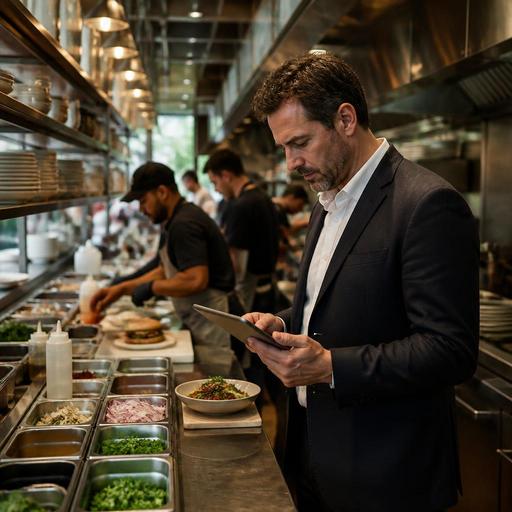
How Restaurants Can Use Order Data to Improve Prep Line Planning
Using order data to improve prep line planning is one of the most practical ways restaurants can reduce kitchen stress, improve speed, and make better use of labor and ingredients. Many prep problems do not come from a lack of effort. They come from weak visibility into what guests actually order, when they order it, and which menu items create pressure on the line. When restaurant owners and kitchen managers start reading order patterns more closely, prep becomes more accurate, service becomes steadier, and waste becomes easier to control.
For independent restaurants, cafes, and growing multi-unit brands, this does not require a complicated analytics program. It starts with simple operational questions: Which items spike at lunch? Which modifiers slow down assembly? Which combinations run out first on Fridays? Which stations get overloaded during delivery surges? Once those patterns are visible, production planning can shift from habit-based prep to demand-based prep.
Start with the order patterns that actually affect the line
Not all sales data is equally useful for kitchen planning. Total daily revenue may matter for management, but prep teams need a more operational view. The most useful order data is the kind that explains volume, timing, and complexity at the item level.
For example, a cafe may think its sandwich station is the main bottleneck because that is where tickets pile up. But item-level order review may show the real issue is not sandwich count alone. It may be a lunch window where sandwiches, hot sides, and customized drinks peak at the same time, creating cross-station pressure. In a casual dining restaurant, grilled chicken may look like a steady seller overall, yet the actual pattern may reveal sharp spikes on specific weekdays due to office lunch traffic or family dinner bundles.
Focus first on these data points:
- Top-selling items by daypart such as breakfast, lunch, afternoon, and dinner
- Item mix by day of week to separate weekday behavior from weekend demand
- Modifier frequency such as extra sauce, no onions, side swaps, or add-ons
- Channel differences between dine-in, pickup, delivery, and QR ordering
- Rush overlap when several high-labor items hit the line at the same time
This level of analysis helps managers stop prepping based only on intuition. A station may not need more product overall. It may need different prep timing, different par levels, or better batching for a specific two-hour window.
Turn raw order history into prep decisions by station
Once order patterns are visible, the next step is to translate them into actual prep-line actions. This is where many restaurants get stuck. They review reports, but they do not connect them to station setup, batch sizing, or labor assignments.
A practical method is to review the menu through the lens of production load. Group items by station and by prep dependency. Ask which menu items depend on the same sauces, proteins, garnishes, or finishing steps. Then compare that with order timing.
Consider a fast-casual bowl concept. If rice bowls, wraps, and salad plates all depend on the same grilled protein and two signature sauces, then prep planning should not treat those menu categories as separate. They are competing for the same production base. If digital order data shows that delivery customers heavily favor one protein during dinner, that protein should be prepped with delivery volume in mind, not just in-store traffic.
Useful actions include:
- Build station-level prep sheets from actual item demand rather than fixed routines that never change.
- Set daypart pars so teams know what must be ready before the lunch push and what can wait for later production.
- Separate high-frequency modifiers from rare requests, so the line is organized around common behavior.
- Pre-portion components that repeatedly slow ticket flow when the labor tradeoff makes sense.
- Prepare backup batches for predictable surges such as delivery-heavy evenings or weekend family orders.
This does not mean overproducing. It means matching prep depth to observed demand. A restaurant that sees frequent late-lunch demand for a best-selling soup should not run out at 1:15 p.m. because the team prepped to a generic lunch estimate. Likewise, a low-volume garnish should not consume prep time every morning if order data shows it barely moves except on Saturdays.
Use channel and timing data to reduce bottlenecks
One of the biggest changes in restaurant operations is that demand now arrives from multiple channels at once. Dine-in tickets, pickup orders, delivery apps, and direct digital ordering can all hit the kitchen within minutes. If prep planning ignores order channel behavior, the line often gets surprised by volume that was actually predictable.
For example, delivery orders may cluster around a narrower time band than dine-in orders. Guests at tables arrive in waves, but app users often order at very similar times. That can create sudden pressure on fryers, expo, packaging, and sauce setup. A burger restaurant may notice that dine-in guests order more variety, while delivery guests repeat a smaller set of combo meals with many add-ons. That insight should change both prep and packaging organization.
Managers can improve flow by asking:
- Which items over-index in delivery compared with dine-in?
- Which channel creates the most modifiers?
- At what times do direct online orders begin to stack before the in-house rush is fully visible?
- Which menu items travel well and create smoother line execution?
These answers can support better production choices. Some restaurants create a dedicated backup bin for delivery-heavy items. Others adjust cut sizes, sauce bottle placement, or packaging stations based on what digital orders require most often. Even small layout changes can reduce movement and confusion when peak periods hit.
Platforms like Restomas can support this process by helping restaurants centralize digital ordering patterns, QR menu activity, and menu performance in one operational view, making it easier to spot recurring prep pressure points before they become service problems.
Use order data to coach staff and tighten handoffs
Prep-line efficiency is not only about food quantity. It is also about communication, timing, and staff readiness. If order data shows that certain menu items repeatedly create delays, managers should examine whether the issue is recipe design, prep availability, line layout, or training.
For instance, if a pasta dish appears in many delayed tickets, the problem may not be the dish itself. The issue may be that the garnish is stored too far from the finishing station, or that newer staff members are unclear about portion sequence during the rush. In a bakery cafe, breakfast sandwiches may slow down not because they are complicated, but because the toaster, egg station, and pickup handoff are not aligned for the morning peak.
Use data reviews in pre-shift meetings and weekly operations check-ins. Keep the discussion practical. Show the team which items peaked yesterday, which items ran low too early, and where modifier volume created friction. Then assign one or two process fixes rather than overwhelming the team with general feedback.
Good coaching areas include:
- Batch timing so prep is refreshed before predictable surges
- Station ownership to avoid confusion when multiple staff touch the same item family
- Modifier awareness for the most common customizations
- Handoff discipline between prep, line, expo, and packaging
- 86 communication so front-of-house and digital menus stay aligned with actual availability
When teams see that operational changes come from real order behavior, not random management preference, adoption is usually stronger. The kitchen feels more controlled because decisions are tied to what actually happens on the line.
Create a simple weekly prep-planning routine
The most effective restaurants do not treat prep analysis as a one-time project. They build a repeatable routine. A short weekly review is often enough to improve planning without creating extra administrative work.
A useful routine might look like this:
- Review the last two to four weeks of item sales by daypart and channel.
- Highlight items with sudden spikes, frequent stockouts, or unusual modifier volume.
- Compare those items against waste, remakes, and ticket-time complaints.
- Adjust prep pars, batch timing, and station setup for the next week.
- Brief the team before key shifts and note what changed.
- Recheck results after the weekend and refine again.
This cycle helps restaurants move away from static prep systems. Seasonality, weather, local events, delivery habits, and menu changes all affect line demand. A living prep plan is more resilient than a fixed one.
Restaurants do not need perfect forecasting to improve. They need clearer visibility and the discipline to act on it. Better prep-line planning starts when order data becomes part of everyday kitchen management instead of just end-of-day reporting.
If your restaurant is looking for a simpler way to connect digital orders, menu performance, and day-to-day operations, Restomas can help bring those signals into one practical workflow.
