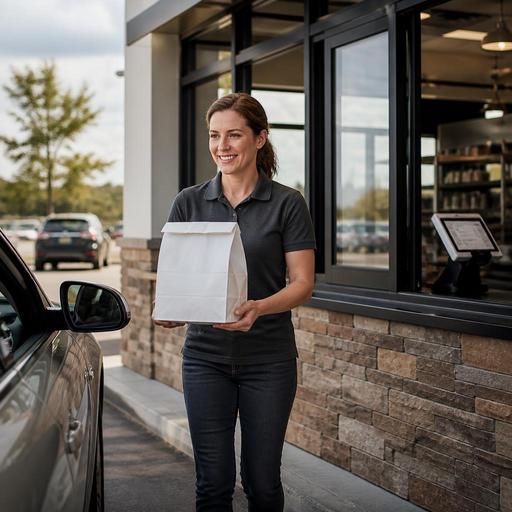
How Suburban U.S. Restaurants Can Build Faster Curbside Pickup Workflows
Curbside pickup workflows for suburban U.S. restaurants can do more than add convenience. When the workflow is clear, curbside service helps operators protect dine-in flow, move takeout faster, and reduce the chaos that often happens around parking spots, bag staging, and guest arrival timing. For suburban restaurants, where guests often arrive by car, the difference between a smooth handoff and a five-minute delay can shape repeat business quickly.
A family casual restaurant near a suburban shopping center, a fast-casual salad brand with a pickup shelf, a neighborhood pizza shop, and a hotel restaurant serving local takeout all face the same basic challenge: getting the right order to the right car at the right time without disrupting the kitchen or front counter. The best systems are operational, not complicated. They connect ordering, prep, staging, arrival alerts, and runner handoff in one simple flow.
Design the curbside pickup flow before you add technology
Many curbside problems start because the process was never mapped from order placement to car handoff. Before changing tools, define the exact workflow your team should follow during lunch and dinner rush.
- Order is placed: through direct online ordering, phone, or a delivery marketplace that allows pickup.
- Pickup type is marked: standard takeout, curbside, or in-store pickup shelf.
- Guest provides vehicle details: make, model, color, and parking spot if your setup requires it.
- Kitchen receives a clear production signal: curbside orders should be identifiable in the POS or kitchen display system.
- Order is staged: hot and cold items are held correctly and labeled for fast runner access.
- Guest arrival is confirmed: via text, app, call, or QR-based arrival check-in.
- Runner handoff is completed: order is verified, payment status is checked, and the guest leaves quickly.
For example, a suburban burger restaurant with a large parking lot may dedicate two curbside spots near the entrance and train hosts to watch for arrival alerts on a tablet. A smaller café in a strip mall may skip reserved spots and instead use a call-on-arrival workflow because parking is shared with neighboring businesses. Both can work if the method is consistent.
Set up parking, staging, and handoff zones that fit suburban traffic
Suburban curbside succeeds or fails in the parking lot. Operators should think like traffic managers, not just food sellers. If drivers cannot tell where to go, staff lose time answering calls and searching for vehicles.
Parking spot strategy
If your site allows it, place curbside spots close enough for quick runner access but far enough from the main entrance that they do not block dine-in guests, delivery drivers, or ADA-minded access paths. Operators should verify local property rules, landlord requirements, and accessibility obligations before changing parking design, cones, or traffic flow.
A suburban Tex-Mex restaurant in a freestanding building may have room for clearly designated curbside spaces on the side of the lot. A diner in a busy New Jersey roadside location may need a different approach, such as asking guests to park in a general area and check in by phone, because turnover and traffic patterns change by daypart.
Staging inside the restaurant
Inside, curbside orders need their own landing zone. Do not mix them loosely with dine-in checks waiting for payment, third-party delivery bags, and pickup shelf orders. A practical setup often includes:
- a dedicated shelf or speed rack for curbside bags
- a hot-hold area for items like fries, wings, or sandwiches
- a cold section for drinks, desserts, or salads
- a final verification point for sauces, utensils, and modifiers
At a suburban chicken wing concept, the expo station might bag food while a front counter team member adds drinks and condiments at the final handoff shelf. At a family Italian restaurant, curbside orders may be held near the host stand because pasta, salads, and desserts often need a final item check before release.
Reduce missed arrivals and order errors with better communication
The most common curbside breakdown is simple: the guest arrives, but the restaurant does not know it. The second is handing out the wrong bag. Both problems are fixable with tighter communication.
Make arrival check-in easy
Give guests one primary method to announce arrival. Too many options create confusion. If you offer text, app check-in, and phone calls, train staff on which alert takes priority. Direct online ordering should ask for curbside details during checkout, not after the order is already in production.
For instance, a suburban poke bowl shop can send a text link that says the guest should tap when parked. A pizza shop with an older customer base may find that a simple call-on-arrival instruction works better. The right method depends on your guest mix, but the process should be obvious from the ordering page to the pickup confirmation.
Use order identifiers that staff can trust
Names alone are risky during peak periods, especially when multiple guests share common first names. Use a combination of guest name, order number, and vehicle detail. On the line, curbside tickets should be clearly labeled in the POS or kitchen display system so the team knows the handoff path before the order is packed.
If you use delivery apps alongside direct ordering, keep the channels separated visually. A fast-casual bowl restaurant may use one shelf for third-party delivery drivers and another for curbside and in-store pickup. That small distinction prevents runners from grabbing the wrong bag when the rush hits.
Align staffing, payments, and tip handling with real U.S. operations
Curbside is not just a packaging task. It is a service workflow that affects labor, payments, and guest expectations. In the United States, operators should think carefully about who owns the handoff and how the shift is staffed.
Assign clear curbside roles by daypart
During slower periods, the host or cashier may handle arrivals. At dinner rush, many suburban restaurants need a dedicated runner or cross-trained expo support. If curbside volume spikes on Friday nights, build it into labor scheduling rather than treating it as an extra task for already-busy servers.
A suburban sports bar running takeout during game nights may assign one team member to curbside and pickup shelf monitoring from 5 p.m. to 8 p.m. A coffee shop doing morning pastry pickup might fold curbside into barista workflow because order counts are smaller and parking turnover is faster.
Clarify payment and tipping steps
If guests pay online, the runner should know the check is closed before leaving the building. If payment happens at the car, use a secure and simple mobile workflow tied to the POS when possible. U.S. operators should also decide how tipping appears in the experience and how tip reporting is handled operationally. Because tipping, service charges, payroll treatment, and tax handling can vary by setup and jurisdiction, verify current requirements with your accountant, payroll provider, or official guidance.
From a guest experience standpoint, the important thing is consistency. If your curbside model invites tips, make the prompt clear and not awkward. If it does not, train staff not to improvise at the car.
Measure curbside performance and improve it every week
You do not need complex analytics to improve curbside pickup. Start with a few operational measures your managers can review weekly:
- average time from guest arrival to handoff
- number of orders remade due to missing items
- number of guest calls asking where to park or how to check in
- percentage of orders marked ready before the guest arrives
- labor pressure points by daypart
Then look for patterns. If a suburban taco concept sees delays every Saturday at 6 p.m., the issue may be staging space, not cooking time. If a café gets repeated complaints about melted drinks, the cold-hold setup may be weak. If a multi-location brand notices one store performs much better than others, turn that location’s process into a standard operating procedure for the group.
Chains and larger operators should also review menu and digital ordering clarity. If you operate at scale, remember that menu presentation, accessibility expectations, payment flows, and labeling obligations can vary depending on concept and jurisdiction. For example, larger chains may need to review FDA menu labeling context, while all operators should check local accessibility and consumer disclosure expectations with qualified advisors.
The goal is simple: fewer calls, fewer parking lot delays, fewer missing items, and a better handoff that feels fast to the guest. For suburban U.S. restaurants, curbside pickup works best when parking, POS signals, kitchen timing, and runner communication all connect in one repeatable system. Restomas can help operators bring online ordering, QR touchpoints, POS-connected order flow, and kitchen coordination into that everyday curbside process.