How to Digitize a Heritage Restaurant Without Losing Its Soul
Digitizing a traditional restaurant without losing its character is not about replacing hospitality with screens. It is about removing friction behind the scenes, making service easier for staff, and giving guests more clarity and comfort while preserving the rituals, flavors, and atmosphere that made the restaurant successful in the first place. For family restaurants, neighborhood cafes, and long-running dining rooms, the best digital changes are usually the ones guests notice only as smoother service.
Start by protecting what should never change
Before choosing any software, define the parts of the guest experience that are central to your identity. In a traditional restaurant, that might be handwritten daily specials announced by the server, a signature welcome from the host, table-side tea service, or recipes described with family history. These are not inefficiencies to remove. They are assets to protect.
A useful first step is to divide the operation into two categories: heritage elements and friction points. Heritage elements are the details that create emotional value. Friction points are the moments that create delays, confusion, or avoidable errors. A restaurant may want to keep its warm verbal recommendations, for example, while digitizing order flow to the kitchen so those recommendations do not get lost or misheard.
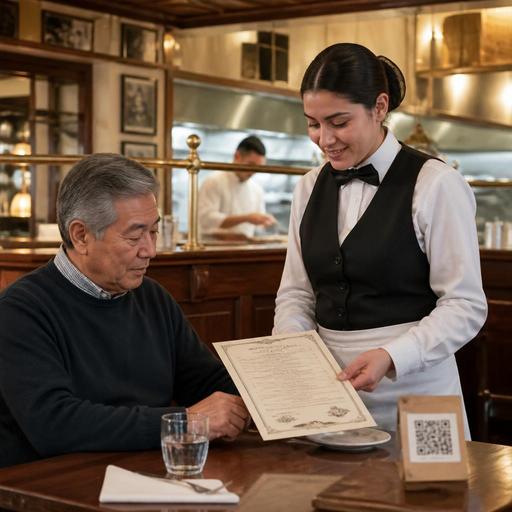
Concrete example: a long-established grill house may keep printed menus because they fit the brand, but add a QR menu as an optional layer for guests who want allergen details, larger text, or another language. In that case, technology supports access and speed without changing the visual identity of the dining room.
Digitize the operation first, not the personality
The safest modernization path is to begin with back-of-house and service coordination. Guests rarely object to technology they do not have to manage themselves, especially when it results in faster tables, fewer mistakes, and more confident staff.
Focus first on processes such as order routing, menu updates, reservation handling, and shift communication. These changes reduce operational strain while allowing the front-of-house team to stay present and human.
- Order management: Replace handwritten or verbally repeated tickets with a digital flow from table to kitchen. This helps protect special requests, cooking notes, and course timing.
- Menu control: Update sold-out items, seasonal dishes, or price changes in one place instead of correcting staff one by one during service.
- Reservations: Organize bookings digitally so the host can see table status, timing, and guest notes without relying on memory or paper notebooks.
- POS integration: Connect ordering and payment data to reduce duplicate entry and improve consistency between the floor and the cashier.
- Staff communication: Use shared digital notes for prep changes, ingredient shortages, or event bookings so every shift starts with the same information.
This is where platforms such as Restomas can fit naturally: not as a replacement for traditional service, but as a practical layer that keeps menus, orders, reservations, and service communication aligned.
Use digital menus in a way that still feels personal
Many traditional operators worry that a digital menu will make the experience feel cold. That usually happens only when the menu becomes a barrier instead of a support tool. The solution is not to force every guest into one digital path. The solution is to offer choice.
A restaurant can keep a beautifully printed menu on the table and use a digital menu for functions that paper handles poorly. Those functions may include allergen information, wine notes, ingredient explanations, language options, and instant updates for unavailable dishes. The server remains the guide. The digital menu becomes the reference.
For example, imagine a regional restaurant known for slow-cooked specialties that change based on the day’s supply. Instead of reprinting menus or asking servers to memorize every adjustment, the restaurant can update the digital version in real time. Guests still hear the story from the server, but the item list stays accurate. That protects both character and trust.
To keep the experience aligned with the brand, review these details carefully:
- Keep menu language warm and specific. Avoid generic item names if the restaurant is known for storytelling.
- Use real dish descriptions. Explain preparation, origin, or serving style in the same voice used in person.
- Add practical information discreetly. Allergens, spice level, and portion guidance should help guests without overwhelming them.
- Make QR use optional when possible. Some guests prefer paper, especially in older or more formal dining settings.
Train staff to use technology as a hospitality tool
Digitization fails when staff experience it as surveillance, extra admin, or a confusing new routine. It succeeds when the team sees exactly how it helps them serve better. For a traditional restaurant, staff training should be framed around hospitality outcomes, not software features.
Instead of saying, “We are switching to digital menus,” say, “We want fewer order errors, faster updates on sold-out dishes, and more time for guest interaction.” That change in framing matters.
Practical training works best in short sessions tied to real service moments:
- How to mark an item unavailable before the dinner rush starts
- How to attach a guest allergy note so the kitchen sees it clearly
- How to check reservation notes before seating repeat guests
- How to use digital order timing without rushing the table
- How to guide guests who want QR ordering while still helping those who prefer staff interaction
Managers should also identify one or two team members as internal champions. In many long-running restaurants, younger staff or digitally confident supervisors can help bridge the gap without making experienced staff feel replaced. The goal is not to change the culture of the team. It is to reduce stress and create consistency.
Bring your traditional identity into digital channels
Restaurant digitization is not limited to in-house systems. It also includes how the restaurant appears online. For a traditional business, this is a major opportunity. Many restaurants with deep local identity underuse digital channels because they assume social media and online discovery reward only trendy concepts. In reality, authenticity often performs better than imitation.
Your website, Google profile, reservation pages, and social channels should reflect the same character guests feel on site. Share the people, methods, and details that make the restaurant memorable: morning prep, family recipes, the dining room before service, seasonal ingredients arriving, or the chef explaining a classic dish. These are not staged marketing ideas. They are digital extensions of real identity.
Operationally, make sure digital touchpoints are accurate and maintained. A traditional restaurant loses credibility when online hours are wrong, the menu is outdated, or reservation instructions are unclear. Small digital errors create guest frustration before hospitality even begins.
Review this checklist regularly:
- Are opening hours consistent across all platforms?
- Are current menus and prices accurate?
- Can guests easily understand how to reserve?
- Are photos realistic and recent?
- Do guest messages and reviews receive professional responses?
When digital presence is managed well, it does not make the restaurant feel less traditional. It makes the tradition easier to discover and trust.
Modernize in small stages and measure guest comfort
One of the biggest mistakes in restaurant digitization is trying to transform everything at once. Traditional restaurants usually benefit more from a phased rollout. Start with one area that causes daily friction, stabilize it, then move to the next.
A sensible sequence might look like this:
- Menu updates: Create a digital menu that mirrors the printed one and handles live availability.
- Order flow: Improve communication between floor staff and kitchen.
- Reservations: Centralize bookings and guest notes.
- Payments or integrations: Connect front-of-house actions to POS and reporting.
After each stage, ask simple questions. Are guests asking fewer clarifying questions? Are servers spending less time correcting unavailable items? Is the kitchen receiving cleaner tickets? Are repeat guests adapting comfortably? These observations are often more useful than chasing abstract technology goals.
The best outcome is not a restaurant that looks more digital. It is a restaurant that feels more composed. Service becomes steadier, staff become more confident, and guests still experience the same warmth, memory, and sense of place that brought them in originally.
Restaurants that want a practical way to modernize menus, orders, and reservations while preserving their identity can explore how Restomas supports a more organized version of traditional hospitality.
