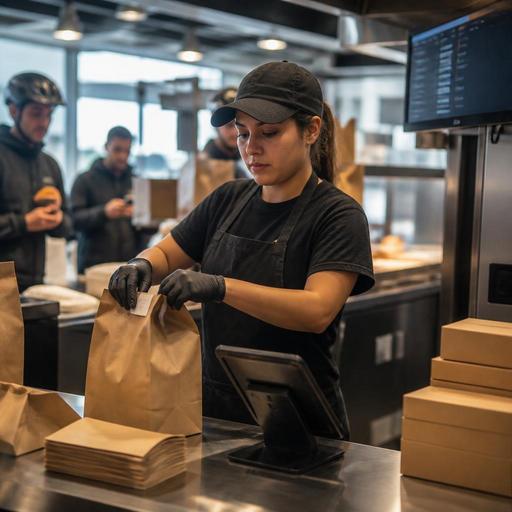
How U.S. Ghost Kitchens Can Tighten Menus, Channels, and Quality
Ghost kitchens in the United States work best when operators treat them as disciplined production systems, not just extra delivery revenue. Whether you run a single-brand takeout kitchen in Houston, a virtual wing concept out of a Chicago bar, or a multi-brand commissary setup serving Los Angeles delivery zones, the core challenge is the same: keep the menu tight, control order channels, and verify quality before the bag leaves the line.
For U.S. restaurant operators, that means aligning delivery apps, direct online ordering, POS routing, kitchen display workflows, packaging, prep, and pickup timing. It also means building practical checks around modifiers, ticket throttling, sales tax handling, service charge settings, and tip workflows where they apply. Rules on labor, taxes, accessibility, alcohol, and local permitting can vary by state and city, so use the steps below as operational guidance and verify current requirements with qualified advisors and official sources.
Start with a menu built for travel, not for the dining room
The fastest way to hurt a ghost kitchen is to list too many items that do not travel well. A dish can be popular in a full-service dining room and still fail on a 22-minute delivery run. In a ghost kitchen, menu focus is not a branding exercise alone; it is a production and quality decision.
Think about common U.S. examples. A Nashville hot chicken sandwich, seasoned fries, and a packaged slaw can hold up if the breading, vented packaging, and assembly order are right. A loaded nacho tray, medium-rare steak bowl, or soft-scrambled breakfast plate may degrade fast unless you redesign the build. A coffee shop launching a virtual breakfast concept may find that breakfast burritos and yogurt parfaits outperform delicate avocado toast for delivery consistency.
Use a simple test before adding any item
- Travel test: Can the item hold texture, temperature, and appearance for a realistic delivery window in your market?
- Line test: Can the item be produced without slowing core tickets during peak?
- Modifier test: Can staff execute common substitutions without creating remakes?
- Food cost test: Does the item use ingredients already shared across the menu?
- Packaging test: Can it be packed securely without leaks, sogginess, or missing components?
If an item fails two or more tests, it probably belongs in your dine-in menu, not your ghost kitchen menu. This is especially important for QSR, fast-casual, hotel restaurants adding virtual brands after late-night hours, and food trucks using a commissary kitchen for app-based takeout.
Control channels before channels control your kitchen
Many U.S. operators lose margin and consistency because they let every marketplace, direct order source, and phone-in workflow hit the kitchen without guardrails. Channel control means deciding where orders should come from, how they should be priced, when they should be accepted, and how they should be routed into the same operational system.
For example, a Phoenix burger ghost kitchen might use delivery apps for reach during launch but push repeat guests toward direct online ordering for better margin and stronger guest data. A suburban Italian concept may offer family meal bundles only on its own ordering page while keeping a tighter, simpler menu on third-party apps. An airport concession ghost kitchen may need stricter prep-time settings because demand spikes around flight banks and missed handoff times can create immediate guest complaints.
Practical channel controls to set up
- Create channel-specific menus. Keep your direct ordering menu broader if your kitchen can support it, and trim third-party app menus to high-reliability items.
- Sync menus with your POS and kitchen display system. Avoid separate manual updates that leave sold-out items live on one channel.
- Use throttling during peak periods. If your lunch rush is already heavy from catering pickups and walk-in takeout, slow marketplace order intake before the line breaks.
- Set realistic prep times by daypart. Friday dinner, Sunday brunch, and major game nights need different timing assumptions.
- Protect pickup handoff areas. Use a clear pickup shelf or driver handoff station so drivers are not crowding expo and disrupting checks.
Channel control also includes payments and guest communication. Make sure your direct ordering flow clearly shows fees, pickup instructions, curbside pickup steps if offered, and whether tips are enabled for pickup orders. If your restaurant uses service charges in some situations, or operates in jurisdictions with specific fee-disclosure expectations, confirm your setup and wording with qualified advisors and current local guidance. The goal is a clean guest experience, not surprises at checkout.
Build quality checks that happen on every ticket
In a ghost kitchen, quality cannot depend on one strong shift lead catching mistakes. It has to be built into the line. The most effective U.S. operators use short, repeatable checks at the kitchen display screen, expo station, and handoff point.
A practical example: a virtual salad and grain bowl brand in Denver may have frequent modifier-heavy orders from office lunch customers. Without a final check, missing protein, dressing, utensils, or allergy notes can turn into refunds and bad app reviews. A late-night pizza-and-wings concept in Atlanta may need a box check for sauce cups, tamper seals, and order labeling before bags hit the pickup shelf.
Quality checks worth standardizing
- Item confirmation: Match each packed item to the ticket, including modifiers and add-ons.
- Packaging confirmation: Use the right container, venting, seal, and bag size for the order.
- Temperature and hold-time check: Do not let finished food sit too long waiting for a driver.
- Completeness check: Add condiments, utensils, napkins, drinks, and desserts only when intended.
- Handoff check: Confirm the correct order name or number before releasing the bag.
Many operators also benefit from a simple remake log. If the same item gets remade repeatedly because of modifiers, packaging failure, or driver wait time, that is not random noise. It is a menu design or workflow problem. Your POS, KDS, and order management reports should help you spot these patterns by item, channel, and daypart.
Design labor and prep around demand, not around hope
Ghost kitchens often look efficient on paper but get expensive when labor scheduling and prep plans do not match actual order flow. U.S. operators should map staffing to dayparts, channel mix, and ticket complexity. A three-person line may handle a steady stream of bowls and wraps, but the same team can collapse under fried items, custom combos, and simultaneous delivery app surges.
Use historical order patterns to separate prep from assembly. For example, a Dallas ghost kitchen selling rice bowls, tenders, and sandwiches might batch sauces, label cold prep, and par-cook certain components before peak, then keep final assembly tight at expo. A multi-location brand can standardize build charts, portion tools, and station diagrams so a new unit does not reinvent the process.
Labor planning also touches tipped staff, tip reporting, and wage rules in some business models, especially if a ghost kitchen shares staff or checkout flows with a full-service restaurant. Because federal, state, and local rules differ, operators should confirm current requirements with payroll providers, attorneys, or official labor guidance. Operationally, keep roles clear: who owns app tablets, who packs, who handles driver issues, and who closes out direct online orders.
Use direct ordering and operations data to improve margin
Ghost kitchens can become too dependent on delivery marketplaces if operators never build a direct relationship with repeat guests. Direct online ordering gives you more control over menu presentation, pickup windows, promotions, and guest communication. It can also support practical features like scheduled takeout, curbside pickup, family bundles, and limited-time menus without waiting on multiple app updates.
At the same time, do not chase direct ordering at the expense of accessibility or clarity. Make sure digital menus are easy to navigate, modifier choices are understandable, and pickup instructions are obvious. ADA-related expectations can depend on context and implementation, so review accessibility practices with qualified professionals when needed. For larger chains, menu labeling obligations may also come into play depending on footprint and service model, so confirm current FDA and local guidance before changing digital menu displays.
The best ghost kitchen operators review a short scorecard every week:
- Top-selling items by channel
- Refunds and remakes by item
- Average prep time by daypart
- Driver wait bottlenecks
- Sold-out frequency
- Direct ordering share versus marketplace share
If one marketplace drives volume but produces the highest remake rate, the answer may be a tighter menu, a longer prep quote, or a smaller delivery radius. If direct pickup orders are growing, improve your pickup shelf, curbside workflow, and packaging for guests who expect speed equal to a fast-casual chain.
Ghost kitchens reward operators who simplify aggressively and measure consistently. If you want one system for QR menus, direct ordering, POS-connected order flow, kitchen display coordination, and multi-location visibility, Restomas can help support a cleaner ghost kitchen operation.
