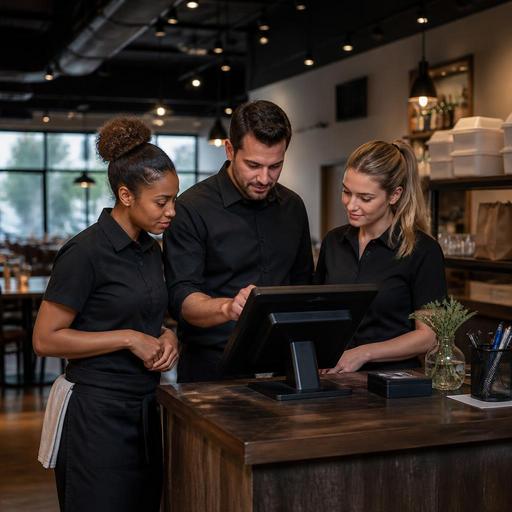
How U.S. Restaurants Can Make Tip Pooling Visible Without Payroll Advice
Tip pooling visibility for U.S. restaurant teams matters because confusion about who earned what, when adjustments happened, and how shift data moves from the floor to payroll can quickly damage trust. For restaurant operators, the goal is not to make software act like legal or payroll advice. The goal is to create clear operational records so servers, bartenders, hosts, runners, and managers can see the same shift picture before numbers reach payroll. In a full-service neighborhood restaurant, a sports bar, a hotel outlet, or a fast-casual concept with counter tips, visibility reduces disputes, speeds checkouts, and helps managers explain the workflow with confidence.
Why visibility matters more than complexity
Many U.S. operators do not struggle because tip pooling is impossible to run. They struggle because the workflow is scattered across POS reports, handwritten notes, manager texts, checkout slips, and payroll exports. When team members cannot tell whether a tip came from a dining room check, a QR ordering tab, a delivery app handoff, or a catering pickup, they start filling in the gaps on their own. That is where friction begins.
A practical visibility system should answer a few basic questions every shift:
- Which sales channels generated tips or service-related payments?
- Which job roles participated in the shift?
- What adjustments were made by a manager, and why?
- What amounts are cash versus card-based?
- What information is moving to payroll, and what stays in operations reporting?
For example, a diner in Ohio might have servers closing out checks at the table, a host managing a pickup shelf for takeout, and one bartender handling bar tabs plus online pickup drink orders. If the POS only shows final totals without role-based context, the team may not understand how the shift was assembled. Visibility means the system captures enough detail for internal review, not that it calculates pay rules on its own.
Build a shift-level tip visibility workflow
The cleanest approach is to organize tip information around the shift, not just the employee or the batch close. Managers should be able to review one shift summary that combines the service period, order channels, staff assignments, exceptions, and end-of-shift notes. This is especially useful in restaurants with split dayparts, such as lunch counter service and full-service dinner, or in hotel restaurants where room-charge activity may sit beside standard card payments.
Start with channel separation
Separate tips by source before anyone discusses distribution. A typical U.S. restaurant may have:
- In-person card tips on checks or tabs
- Cash tips collected on the floor
- QR ordering tips from guest phones
- Direct online ordering tips for takeout or curbside pickup
- Third-party delivery app tips, where visibility may be limited or delayed
- Large-party service charges, which should not be treated casually as the same thing as voluntary tips
That separation matters operationally because service charges, gratuities, and sales tax reporting can follow different rules depending on jurisdiction and setup. Your software should label the source clearly and route it into review buckets. Operators should verify current federal, state, and local requirements, plus payment processor and payroll handling, with qualified advisors or official guidance.
Map roles to service reality
Next, match roles to actual work performed during the shift. A fine-dining restaurant in Chicago may include servers, bussers, food runners, bartenders, and captains. A fast-casual brand in Texas may have counter staff, expo, and curbside runners. A food truck at a brewery may only have two people alternating register and line duties. If your team switches roles mid-shift, the shift record should show when that happened. Otherwise, managers are forced to explain tip decisions from memory days later.
Good visibility does not require broadcasting everyone’s pay details to the whole team. It means the operator can document role assignments, shift participation, and exceptions in one place so that reviews are consistent and less emotional.
Use software for transparency, not payroll judgment
Restaurant operators often make one of two mistakes. They either keep tip pooling entirely manual, which creates blind spots, or they expect the POS to decide every payroll outcome automatically. A better middle ground is to let software collect and organize records while payroll professionals, accountants, or internal finance teams handle the final pay treatment.
In practice, that means your POS, QR ordering, and order management tools should support:
- Role-based shift assignments
- Manager notes for exceptions, voids, comps, or reassigned tables
- Separate tracking for cash and card tips
- Clear labels for service charges versus guest-added tips
- Exports that are easy to reconcile with payroll systems
- Audit trails for edits after checkout
Consider a multi-location casual chain with one suburban store doing heavy curbside pickup and another urban location doing mostly dine-in plus delivery apps. If both stores use the same tip pool policy language but collect tips through different channels, operators need consistent reporting fields across locations. Standardized visibility lets regional managers compare workflows without assuming every location operates the same way.
This also helps with tip reporting awareness. Staff should know where to review their shift totals, what is preliminary versus finalized, and when payroll cutoff happens. That communication is operational, not tax advice. For tax, wage, and reporting treatment, restaurants should confirm current requirements with payroll providers and qualified advisors.
Reduce team disputes with simple review habits
Most tip disputes do not start with bad intent. They start with missing context. A server remembers covering a patio section. A bartender remembers closing the late-night rush. A manager remembers moving tables to balance the floor. Without a shared review process, each person is defending a different version of the shift.
Try this end-of-shift routine:
- Review sales channels before closeout so direct ordering, QR orders, and delivery-related activity are not mixed together by accident.
- Confirm which team members worked which roles and note any mid-shift changes.
- Flag unusual items such as reopened checks, transferred tabs, comps, or offline card processing.
- Have a manager finalize notes before data is exported to payroll.
- Give staff a consistent place to view shift-level summaries or acknowledgments.
For instance, a sports bar on game day may have patio service, bar tabs, and a pickup shelf for wings and sandwiches. If one lead closes several tabs for another server during the rush, that handoff should be documented immediately. In an airport concession or stadium venue, shared service zones make this even more important because multiple staff members may touch the same guest order flow.
Accessibility also matters. If staff review tip or shift data on shared tablets or phones, make sure the workflow is readable, simple to navigate, and not dependent on tiny unlabeled icons. ADA-related obligations can vary by context, so operators should review accessibility expectations with appropriate experts, but clear digital interfaces help every team member work with fewer errors.
What owners should do next
If you want better tip pooling visibility, do not begin with policy language alone. Begin by tracing the data path from guest payment to shift review to payroll export. Look for handoffs where confusion enters the process.
- List every tip source in your operation, including dine-in, QR ordering, direct online ordering, and third-party delivery.
- Standardize shift notes for role changes, exceptions, and manager adjustments.
- Make sure service charges are labeled distinctly from voluntary tips in your reporting.
- Set one review moment before payroll export so managers are not fixing issues after the fact.
- Use the same visibility framework across locations, even if each store has different service styles.
Whether you run a single cafe, a diner with tipped staff, a hotel restaurant, or a multi-unit fast-casual group, visibility builds trust because it replaces guesswork with a reviewable workflow. Restomas can help operators bring QR ordering, order flow, and reporting into one clearer operating picture without forcing software to pretend it is your payroll advisor.
