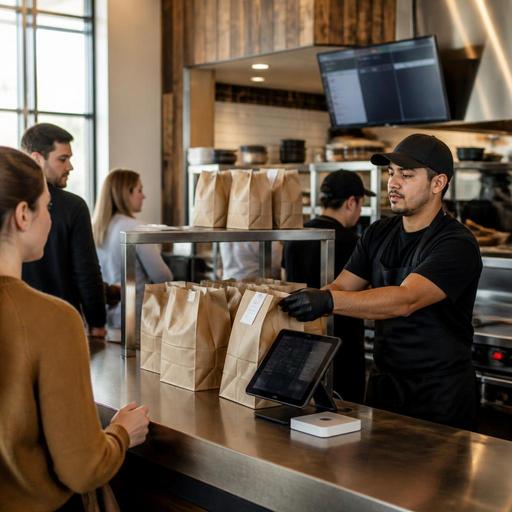
How U.S. Restaurants Should Track Ticket Times, Voids, Remakes, and Table Turns
Service KPIs for U.S. restaurants are most useful when they help operators fix real shift problems, not just build another dashboard. Ticket time, voids, remakes, and table turns can show where service breaks down across dine-in, takeout, curbside pickup, delivery app orders, and direct online ordering. For a neighborhood diner, a fast-casual bowl shop, a hotel breakfast outlet, or a multi-location burger brand, these four measures can reveal whether the issue is the line, the expo station, the POS workflow, menu complexity, or front-of-house handoff.
The key is to define each KPI consistently, review it by daypart, and connect it to a specific operational action. A Friday night full-service steakhouse should not read the numbers the same way as an airport concession or a food truck working a lunch rush. The value comes from comparing like with like: lunch against lunch, dine-in against takeout, and one station or location against a similar setup.
Start with clear definitions your managers can actually use
Before you coach anybody, make sure every manager is reading the same scorecard the same way. If one location starts ticket time when the server opens the check and another starts when the order fires to the kitchen display system, the report will create arguments instead of improvements.
- Ticket time: The elapsed time from order send to ready-to-serve or ready-for-pickup status. Separate dine-in, takeout, third-party delivery, and catering.
- Voids: Items or checks removed after entry. Track when they happen, who authorizes them, and whether they are tied to training, guest recovery, or misuse.
- Remakes: Food or drinks prepared again because of an error, quality issue, modification miss, or guest complaint.
- Table turns: How many times a table is seated and completed in a service period, plus how long each stage takes from seating to payment.
In a U.S. full-service restaurant, these numbers should also be read alongside guest flow details such as reservation pacing, waitlist pressure, and payment timing. In fast-casual, table turns may matter less than pickup shelf congestion or the handoff speed at the counter. For bars, watch drink ticket time separately from kitchen ticket time. For coffee shops, a remake may be less about food and more about modifier accuracy on custom beverages.
Use ticket time to find bottlenecks, not to pressure every station equally
Ticket time is one of the most commonly discussed KPIs, but operators often make it too broad. If your average looks acceptable, you may still have one channel failing badly. A suburban pizza shop might run solid dine-in times while delivery app orders sit too long waiting for drivers. A downtown fast-casual salad brand may produce food quickly but lose minutes at the pickup shelf because bags are not staged by promised time.
Break ticket time into stages:
- Order entry or QR ordering submission
- Kitchen acknowledgement on the kitchen display system
- Prep and cook time by station
- Expo or packaging time
- Handoff to server, guest, curbside runner, or delivery driver
This is where practical fixes happen. If grill is always the bottleneck during lunch, you may need a trimmed menu, more pre-shift prep, or different station assignments. If expo is the problem, you may need clearer packaging rules for takeout, better modifier visibility, or separate shelves for direct online ordering and delivery apps. If server handoff is slow in a casual dining room, look at floor section balance and whether the POS or QR menu flow is delaying check updates.
A good U.S. example is a wing shop on game day. Ticket times can spike not because the fryers are slow, but because bone-in wings, fries, and family bundles all hit at once from dine-in, pickup, and marketplace tablets. Routing all channels into one organized order queue, with clear promised times and station priority, gives managers a way to coach the rush instead of guessing.
Read voids and remakes as training signals, fraud signals, and menu signals
Voids and remakes should never be reviewed only as loss numbers. They often point to process weaknesses upstream. A breakfast diner may see frequent voids because servers ring the wrong side dish during a busy weekend brunch. A QSR taco concept may see remakes because add-on modifiers are buried on the kitchen chit. A hotel restaurant may see late voids because banquet and dining room workflows overlap and staff reopen checks to fix routing mistakes.
Questions to ask when voids rise
- Are voids concentrated on one employee, one shift, or one manager approval path?
- Do they happen before food is fired, or after it is already made?
- Are they tied to coupons, happy hour tabs, split checks, or comp-heavy guest recovery?
- Is the POS menu layout causing common mis-rings?
Questions like these matter because voids can reflect training gaps, weak controls, or simple menu button design problems. They can also intersect with tipping workflows, service charges, and reporting practices, especially if checks are adjusted after guests pay. Operators should make sure their internal process matches current payment processor, POS, and accounting procedures, and verify tax, labor, and reporting requirements with qualified advisors and official guidance.
What remakes usually reveal
Remakes often expose communication failure between the guest-facing order flow and the kitchen. In a burger chain, the issue may be allergy notes or no-onion requests not standing out enough. In a coffee bar, it may be cup labeling and custom milk modifiers. In a food truck, it may be cramped assembly space causing item swaps during a lunch rush near office buildings.
Log the reason code every time: wrong temp, missing modifier, overcooked item, dropped plate, packaging failure, or guest changed mind. Then tie the pattern to action. If remakes cluster around one menu item, simplify the build or rewrite the modifier flow. If they spike on third-party delivery, review packaging, sealing, and shelf staging. If they rise during shift change, tighten line checks and station handoff.
Table turns matter most when you pair them with guest experience
Many operators chase faster table turns without asking where the time is really going. In full-service restaurants, a weak turn rate may come from slow greeting, delayed drink orders, kitchen pacing, or guests waiting too long to pay. In U.S. family dining, the table is not truly turned until the check is closed and the bus/reset cycle is complete.
Measure each stage separately: seating to greet, greet to order, order to food, food to check drop, check drop to payment, and payment to reset. This matters in different ways by concept:
- Casual dining: Focus on host pacing, server section balance, and payment speed.
- Fast-casual with dining room seating: Watch table availability, self-bussing flow, and pickup shelf spillover into dine-in space.
- Hotel restaurants: Separate buffet, room-charge, and a la carte service patterns.
- Airport or stadium venues: Measure speed against event or departure windows, not just traditional meal periods.
Be careful not to create accessibility or hospitality problems in the name of speed. ADA-minded service design may require multiple ordering and payment options, including staff assistance when QR ordering is not ideal for a guest. The operational goal is smoother flow, not rushing people out. If you operate in a chain environment, also confirm whether menu presentation, pricing disclosures, or nutrition display practices are affected by current federal, state, or local rules, including FDA menu labeling context where applicable.
Turn KPI reviews into weekly actions your team can feel
The best KPI meeting ends with changes visible on the next shift. Keep it simple. Pick one ticket-time issue, one void or remake issue, and one table-turn issue each week. Assign an owner and test a fix for seven days.
- Review by channel and daypart: lunch, dinner, late night, brunch, dine-in, takeout, curbside pickup, direct online ordering, and delivery apps.
- Spot the outlier: one item, one station, one employee workflow, or one location.
- Make one operational change: menu button cleanup, expo checklist, pickup shelf labels, station prep, or labor scheduling adjustment.
- Train in pre-shift: show the exact behavior expected, not just the metric.
- Recheck after one week: keep, revise, or discard the change.
For multi-location operators, standardize definitions first, then compare stores with similar footprints and sales mix. A mall food court unit should not be benchmarked the same way as a suburban sit-down location. Use your POS, kitchen display, reservations, and digital ordering tools together so managers can see the full service path instead of isolated numbers.
When service KPIs are organized this way, they stop being abstract reports and start becoming shift-level coaching tools. Restomas helps operators connect QR menus, ordering, POS workflows, and kitchen visibility so these service signals are easier to track and act on.