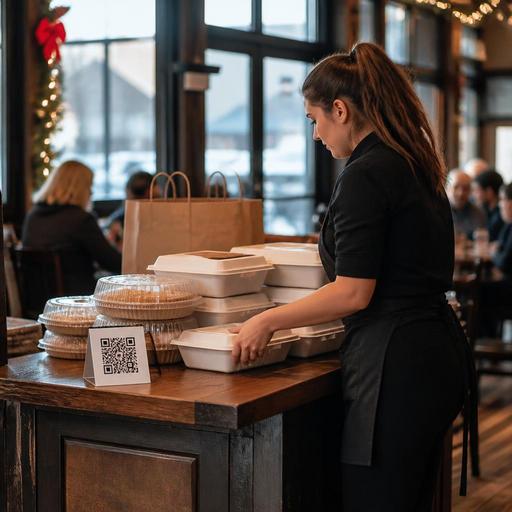
How U.S. Restaurants Use QR Menus for Holiday Preorders
Why holiday menu planning needs a different playbook
Holiday menu planning for U.S. restaurants using QR menus and preorder windows works best when operators treat the season as a separate sales channel, not just a busier version of a normal week. Thanksgiving catering, Christmas takeout packages, office lunch platters, New Year’s Eve prix fixe service, game-day trays, and giftable dessert boxes all create demand patterns that can overwhelm a standard menu and a standard ordering flow.
For a neighborhood bistro, that may mean limiting dine-in specials while promoting preorder meal bundles through a QR menu at the host stand and on table tents. For a bakery-cafe, it may mean opening preorder windows for pies, cookie trays, and breakfast boxes with firm pickup times. For a fast-casual bowl concept with multiple locations, it may mean publishing a holiday catering menu that routes production by store capacity and closes ordering before the kitchen gets overloaded.
The core operational shift is simple: separate what guests can order, when they can order it, and how the kitchen fulfills it. QR menus and timed preorder windows help restaurants do that with less confusion for guests and staff.
Build a holiday menu that is easy to sell and easier to execute
The most profitable holiday menus are usually not the largest ones. They are the clearest ones. Guests ordering for an office party, family dinner, hotel meeting room, or curbside pickup want confidence, not too many decisions. Start with a short list of items your kitchen can produce consistently during peak volume.
Focus on menu formats that fit real U.S. service patterns
- Pickup bundles: turkey dinners, taco bars, pasta trays, brunch boxes, dessert assortments, cocktail kits where legally allowed and properly verified under local rules.
- Add-on sides: gravy, rolls, sauces, extra protein, kids portions, and reheating-friendly items.
- Corporate trays: sandwich platters, salad bowls, boxed lunches, coffee service, and pastry packs for office events.
- Dine-in holiday specials: a smaller seasonal insert that does not slow down the line or create too many modifiers.
A diner in Ohio may offer a ham dinner package with pie add-ons and a pickup shelf near the register. A Texas barbecue spot may run smoked brisket preorder slots with quart sides and curbside pickup. A hotel restaurant in Chicago may use a QR menu for holiday brunch reservations, prepaid add-ons, and family-style meal upgrades. In each case, the menu is built around production reality.
Keep modifier logic tight. If every tray has six side choices, three protein swaps, and custom garnish requests, your expo line will feel the pain. Use QR menus to present clear package tiers, item photos if helpful, allergen notes where appropriate, and pickup instructions. If your concept is subject to chain menu labeling requirements, or if you operate across multiple jurisdictions, confirm current FDA and local rules with qualified advisors before publishing nutrition or labeling content.
Use preorder windows to protect the kitchen and smooth guest demand
Preorder windows are one of the most practical tools for holiday operations because they create boundaries. Instead of taking orders until the last minute and hoping the kitchen can absorb them, you define availability in advance.
What a strong preorder workflow looks like
- Set order deadlines by item category. Whole pies may close earlier than boxed lunches. Large catering trays may need a longer lead time than standard takeout bundles.
- Assign pickup or delivery time blocks. Spread demand across 15- or 30-minute intervals so the front counter, curbside team, and kitchen display system are not flooded at once.
- Cap volume by station capacity. If sauté can only handle a certain number of dine-in tickets during dinner, stop accepting holiday add-ons that depend on that station.
- Separate holiday production from daily production. Consider a prep list, packaging area, and order queue specifically for preorder items.
- Communicate cutoffs clearly. Put the final order date, pickup hours, reheating notes, and substitution policy in the QR menu and confirmation flow.
This matters for more than full-service restaurants. A food truck doing holiday tamale packs can use preorder windows to avoid line chaos at pickup. An airport concession may use limited holiday bundles for staff catering or traveler grab-and-go while protecting regular throughput. A stadium venue can prepare premium game-day packages for suite pickup without disrupting standard concession service.
If you add deposits, prepayment, service charges, or automatic gratuity for large orders, explain them clearly in the checkout flow and on receipts. In the United States, service charges and tips can be treated differently operationally and for reporting, and rules vary by state and situation. Verify your setup with your POS provider, payroll partner, and qualified tax or legal advisors.
Make QR menus useful for guests, not just convenient for staff
QR menus help most during the holidays when they remove friction. The goal is not just to replace a printed flyer. The goal is to guide guests to the right order with fewer phone calls and fewer mistakes.
What to include in a holiday QR menu
- Pickup date and time selection with sold-out slots closed automatically
- Clear package descriptions including serving size guidance
- Optional add-ons that are operationally simple
- Allergen and ingredient notes where relevant, reviewed carefully by your team
- Reheating or holding instructions for prepared holiday meals
- Pickup instructions for in-store, pickup shelf, curbside pickup, or hotel lobby handoff
- Direct ordering links so guests order from your own channel before defaulting to delivery apps
Accessibility matters too. Some guests will prefer a staff-assisted order, a printed version, or a standard online ordering page instead of scanning a code. ADA-minded access in practice means offering more than one path to complete an order and making sure staff can help guests who do not use smartphones comfortably. Operators should review current accessibility expectations with qualified advisors and official guidance when updating digital ordering flows.
For bars and restaurants offering holiday party tabs, QR menus can also help with preorder appetizers, reserved seating packages, and timed arrivals. Just make sure your POS, payment, and tip workflow match the service style so staff are not fixing split checks and manual adjustments all night.
Train the team around fulfillment, not just sales
Holiday preorder success depends on execution after the order is placed. Many restaurants promote seasonal bundles well but fail at staging, labeling, and handoff. That is where margin disappears and guest trust drops.
Operational checkpoints to review before launch
- Packaging: confirm containers, labels, utensils, seals, and bags early
- Expo process: decide who verifies each order before it reaches the pickup shelf or curbside runner
- Labor scheduling: add support for prep, packing, phones, and guest handoff during peak windows
- POS setup: create distinct holiday categories, prep times, and reporting tags
- Kitchen display routing: send preorder items to the right station or production queue
- Guest communication: send confirmations, pickup reminders, and sold-out updates
A suburban pizza shop running holiday catering may designate one employee just for tray assembly and front-of-house handoff. A multi-location salad chain may centralize menu updates but let each store close time slots based on local staffing. A coffee shop near office towers may push breakfast preorder pickups earlier to avoid conflict with the regular commuter rush.
After the holiday period, review what actually happened: which pickup windows backed up, which items caused remakes, where delivery marketplace orders conflicted with direct preorders, and whether staff spent too much time answering basic questions that the QR menu should have handled. Those lessons will shape your next seasonal rollout.
Holiday demand can be a major revenue opportunity when the ordering experience is simple, the kitchen load is controlled, and the pickup flow is deliberate. Restomas helps restaurants organize QR menus, ordering workflows, and operational visibility so seasonal service is easier to manage.
