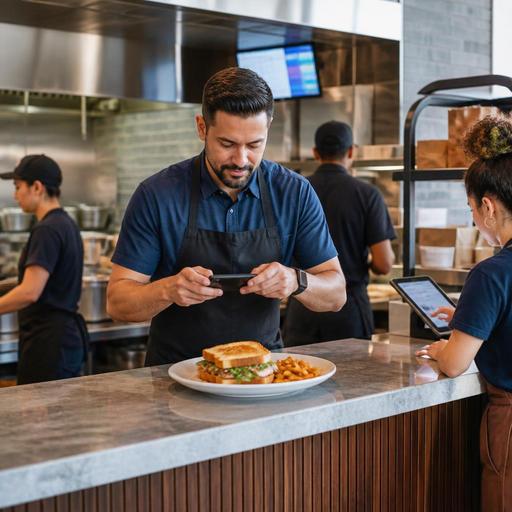
Instagram Reels Ideas for U.S. Restaurants That Drive Real Orders
Instagram Reels ideas for U.S. restaurants work best when they are tied to actual menu operations, not random trends. A busy neighborhood cafe, a fast-casual bowl shop, a sports bar, or a food truck can all post short videos that bring in real orders when the content matches what the kitchen can execute, what the POS can track, and what guests can easily buy through dine-in, takeout, pickup shelf, curbside pickup, or direct online ordering.
Too many operators treat social content as separate from service. The result is a Reel that gets views but creates confusion at the counter, in the kitchen display system, or on delivery apps. A better approach is to build Reels around items you can actually sell today, during a specific daypart, with clean modifiers, consistent plating, and a clear path to purchase. If you run multiple locations, that also means checking whether every store has the same recipe, price structure, and availability before promoting the item widely.
Start with menu moments your operation can repeat
The strongest Reels usually come from repeatable moments already happening in the restaurant. Instead of inventing content from scratch, look at your line, expo station, bar, bakery case, or pickup area and ask what already looks good on camera and is easy to fulfill.
- Build shots: a Nashville hot chicken sandwich being dressed on the line in a fast-casual shop.
- Finish shots: a server dropping a skillet cookie at a suburban casual restaurant.
- Texture shots: espresso being pulled in a neighborhood coffee shop or brisket being sliced at a Texas barbecue counter.
- Speed shots: lunch combo assembly at a downtown QSR with a visible rhythm from POS to kitchen display system to pickup shelf.
- Choice shots: guests selecting sauces, toppings, or sides that are already supported in your ordering flow.
If an item is difficult to execute during a rush, do not make it the centerpiece of your content calendar. A Reel that suddenly drives demand to a labor-heavy off-menu item can hurt ticket times, frustrate guests, and overwhelm staff. This matters even more for airport concessions, hotel restaurants, and stadium venues where staffing, prep windows, and daypart swings can be tight.
Match Reel concepts to the way guests actually order
A good Reel should lead naturally to one operational path: dine-in, direct online ordering, takeout, delivery apps, catering inquiry, or a limited-time in-store special. That path needs to be clear internally before you hit publish.
For example, a New York bagel shop posting a Reel about a weekday breakfast bundle should make sure the bundle is available in the POS, easy to ring up, and clearly listed on direct ordering channels. A burger spot in Chicago showing a late-night combo should confirm whether the item is available for third-party delivery, pickup, or both. A taco truck in Austin might post a Reel showing a weekend special, but only if staff can handle the extra line and the menu board, QR menu, and payment flow all reflect the same offer.
Use these practical Reel-to-order pairings:
- Limited-time item Reel: best for direct online ordering and QR menus where item details can be updated quickly.
- Combo meal Reel: best for QSR and fast-casual brands that want to improve average check with simple bundled choices.
- Behind-the-scenes prep Reel: best for brand trust, especially if the item is already a top seller.
- Pickup shelf or curbside Reel: best for suburban takeout-heavy operations that want to show convenience.
- Server recommendation Reel: best for full-service restaurants where upselling dessert, cocktails, or appetizers matters.
If you mention alcohol in content, keep the workflow practical and verify current state and local rules, platform rules, and age-related service requirements with qualified advisors and official guidance. The same applies if you reference service charges, tipping, or promotions that may affect how checks are presented or reported.
Build Reel series that support labor, prep, and consistency
One-off videos are harder to sustain. Series are easier for operators because they can be planned around prep lists, labor scheduling, and recurring guest habits. A series also helps staff know what will be filmed and when, which reduces disruption during service.
Examples of repeatable series
- Lunch in 15 seconds: show the fastest, most reliable weekday lunch items for office workers.
- What the line is making today: ideal for bowls, salads, pizza, and burrito concepts.
- Friday feature: spotlight fish fry, prime rib, rib special, or family meal packs.
- From POS to pickup shelf: show how an online order moves through the operation.
- Shift meal favorite: let cooks or servers highlight real menu items they actually eat.
This is where operations and marketing should meet. If your team knows every Tuesday Reel features a lunch combo, prep can be tighter, inventory can be watched more carefully, and managers can compare sales by daypart. If you run a multi-location brand, use a shared content checklist so each store films the same item with the same plating, portion, and naming. That helps guests avoid seeing one version on Instagram and another at the register.
Operators should also think about accessibility. If a Reel pushes guests toward a QR menu or direct ordering page, make sure the destination is easy to navigate on a phone and that guests who need another option can still access the menu. ADA-related expectations can vary by facts and setting, so review your workflow with qualified advisors and current official guidance as needed.
Use operational details that make content more believable
The best restaurant Reels do not feel overproduced. They feel real. Show the details U.S. guests recognize: the expo calling a check, the sandwich wrapper folding closed, the iced coffee lid snapping on before it hits the pickup shelf, or a curbside order being walked to a car in a suburban lot.
Concrete examples:
- A Phoenix breakfast cafe films pancake batter hitting the griddle, then ends with the guest scanning a table QR menu for add-ons like bacon and fresh fruit.
- A Miami fast-casual salad brand shows two lunch rush orders side by side to highlight speed and modifier accuracy.
- A Seattle coffee shop posts a Reel showing mobile order flow from espresso bar to name-free pickup shelf setup, avoiding guest confusion.
- A hotel restaurant in Orlando uses Reels to promote grab-and-go breakfast for conference guests who need speed before morning sessions.
- A food truck in Los Angeles shows a short sequence of ordering, flat-top cooking, and handoff, helping guests understand the line moves fast.
Notice that each example connects the video to a real operational promise: speed, consistency, convenience, or freshness. That promise has to be true in service, or the Reel will create the wrong expectations.
Measure Reels by sales behavior, not just views
Views are nice, but operators need signals tied to revenue and execution. After posting a Reel, ask a few basic questions:
- Did the featured item sell more that day or week?
- Did direct online ordering increase for the item or combo?
- Did guests ask for something the POS or staff could not find?
- Did the item slow the kitchen or create modifier mistakes?
- Did one location perform differently from another?
If the answer reveals friction, fix the operation before making more content. Sometimes the solution is simple: rename the item consistently across Instagram, QR menus, delivery apps, and the POS; clean up photo order; limit modifiers; or route orders more clearly to the kitchen display system.
Chain operators should also remember that menu labeling, tax presentation, service charges, and labor workflows may differ based on concept, size, and jurisdiction. For example, a large chain may need to consider FDA menu labeling context, while local sales tax handling, service charge treatment, and tip reporting workflows can vary by state or city. Treat these as operational coordination issues and verify current requirements with qualified advisors or official sources before changing guest-facing messaging.
When Reels are built around real menu availability, clear ordering paths, and kitchen-friendly execution, they stop being just social media content and start acting like a practical sales tool. Restomas helps operators connect digital menus, ordering flows, and service operations so the guest experience shown online is easier to deliver in real life.