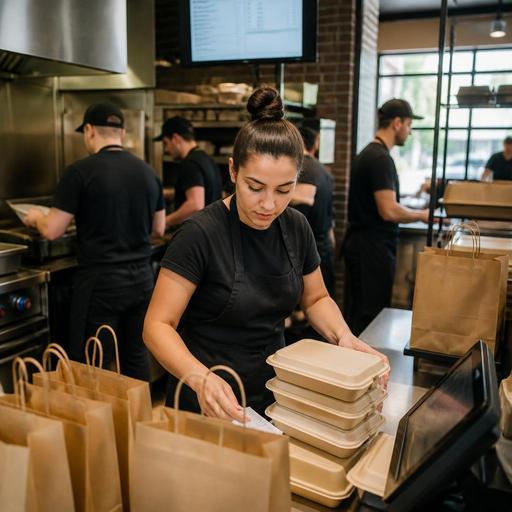
Large Group Restaurant Orders in the U.S.: How to Keep the Kitchen Organized
Large group restaurant orders can boost sales, but they can also wreck the line if the order hits the kitchen like a surprise lunch rush. In the U.S., this problem shows up in many forms: a 25-person office takeout order due at noon, a youth sports team tab at a suburban grill, a hotel banquet add-on that lands during dinner service, or a food truck trying to serve a festival pre-order window and walk-up guests at the same time. The operators who handle these orders well do not rely on heroics. They build a repeatable workflow that connects ordering, prep, timing, packaging, pickup, and staff communication.
The goal is not just to finish the order. It is to protect ticket flow for everyone else in the building, keep quality consistent, and avoid the kind of confusion that leads to missing sides, cold fries, and frustrated servers. Here is a practical system U.S. restaurant operators can use.
Build a separate intake process before the order reaches the line
Kitchen confusion usually starts at order intake, not at the grill. If a large order arrives through a phone call scribbled on paper, a delivery app note, and a last-minute text to the manager, the kitchen is already behind. Create one standard intake path for large orders, whether they come from direct online ordering, a catering form, a cashier at the POS, or a manager entering the order manually.
For example, a fast-casual bowl concept in Dallas might define any order over 12 entrees as a large group order. A neighborhood diner in Ohio might use dollar value instead. The threshold matters less than consistency. Once the order crosses that threshold, require a few operational details every time:
- Pickup or delivery time
- Single check or multiple checks
- Packaging format, such as individually labeled meals or trays for sharing
- Utensils, condiments, and beverage needs
- Allergy or modification notes
- Contact name and callback number
- Payment status, including whether a deposit or card hold is part of your process
If your concept uses tipping prompts, service charges, or catering fees, make sure the front-of-house team understands how those charges are presented and how they differ from sales tax. Operators should verify current state and local rules, guest disclosure requirements, and payroll treatment with qualified advisors and official guidance. Operationally, the key is simple: do not let the kitchen guess what the guest ordered or how it should be packed.
Use staged fire times instead of dropping the full order at once
One of the biggest mistakes with large group orders is firing everything immediately. That might seem efficient, but in practice it overloads the line, clogs expo, and hurts dine-in service. A better method is staged firing based on item type, hold time, and pickup promise.
Think about a 30-person office lunch order from a Chicago sandwich shop. Chips, bottled drinks, cookies, and cold sandwiches can often be assembled earlier. Hot sandwiches, fries, and soups should be timed closer to pickup. If the POS or kitchen display system can route items by station and hold course times, use it. If not, create a manual timing sheet for large orders.
A simple staging sequence
- Confirm the promised handoff time and work backward.
- Prep cold items, labels, and packaging first.
- Batch items with longer stable hold windows.
- Fire short-hold hot items last.
- Assign one expo lead to complete the final check.
This matters even more in QSR and fast-casual operations where digital orders, third-party delivery apps, curbside pickup, and walk-in traffic all hit the same make line. A kitchen display workflow that separates large scheduled orders from on-demand orders can reduce line shock. In a multi-location brand, build the same firing logic into every store so a franchisee in Phoenix and a company store in Atlanta are not improvising different systems.
Protect your regular service with capacity rules
Large group orders should be accepted based on real kitchen capacity, not optimism. A sports bar may be able to produce 100 wings for a scheduled office pickup at 3:30 p.m. with no issue, but the same order at 6:15 p.m. during happy hour may damage service for every guest in the building. Capacity rules help managers say yes at the right time and no when needed.
Set practical limits by daypart and station load. A breakfast cafe may accept large pastry and coffee orders all morning but limit hot egg sandwich orders during the commuter rush. A food truck near a business park might offer preorder windows for group lunches but stop accepting same-day large orders after a cutoff time. A hotel restaurant may route conference meal orders through a different production path than a normal dining room ticket stream.
Use these rules in your ordering channels so guests see realistic availability. If you offer direct online ordering, consider time slots for large orders rather than open-ended pickup. If you rely on phone orders, give hosts and managers a script that includes the earliest available time. This is also where labor scheduling matters. If Fridays regularly bring school team orders, hospital unit takeout, or airport crew meal pickups, build coverage for expo and packaging, not just cooking.
Design packaging and handoff so the order leaves complete
Many large orders are technically cooked correctly but still fail at the handoff. Missing sauces, unlabeled boxes, and a crowded pickup shelf can undo solid kitchen work. The bigger the order, the more you need a packaging standard.
A practical example: a California fast-casual Mexican restaurant handling a 20-burrito group order can label each item by guest name or menu shorthand, separate hot and cold components, and use a final checklist before the bags are sealed. A family restaurant in Florida preparing a large takeout order for a church group can use numbered bags and a master packing sheet so curbside staff know exactly what to load into the guest's vehicle.
- Standardize labels for names, modifiers, and allergen alerts
- Separate hot, cold, and fragile items
- Keep drinks and desserts on their own count line
- Use one final expeditor check before pickup or driver handoff
- Create a dedicated staging area away from everyday pickup shelf traffic
If your restaurant uses QR ordering or digital receipts, think about accessibility too. Guests picking up a large order may still need clear verbal confirmation, easy-to-read labels, and a straightforward handoff process. Operators should verify current ADA-related obligations and accessibility expectations with qualified advisors or official guidance, but from an operations standpoint, clarity helps every guest.
Train one communication playbook for FOH, BOH, and off-premise orders
Large group orders often break down because each team sees only part of the picture. The cashier knows the promised time, the kitchen knows the item count, the server thinks the order is dine-in, and the manager does not realize a delivery driver is arriving early. A shared communication playbook prevents that disconnect.
Start with a shift huddle. Call out all scheduled large orders, pickup times, and who owns each handoff. In a bar and grill, that may mean the lunch manager owns the office catering pickup while the bartender keeps the dining room tabs moving. In an airport concession, it may mean the team stages airline crew meal bags separately from passenger grab-and-go orders. In a stadium venue, it may mean pre-batched premium suite orders are routed away from general concourse service.
What the playbook should include
- Who approves and enters large orders
- How the order is flagged in the POS or kitchen display system
- When the kitchen starts prep and when hot items fire
- Who checks packaging completeness
- Where the order waits for pickup, curbside handoff, or delivery driver arrival
- How staff handle guest updates if timing changes
For chains subject to FDA menu labeling rules, make sure any published digital ordering flow, modifier structure, and menu presentation stay aligned with current requirements, and verify details with official guidance. The operational lesson is broader: large orders should follow the same item naming, modifier logic, and channel setup across your systems so the kitchen is not translating inconsistent ticket language.
When your process is clear, large group orders stop feeling like emergencies. They become scheduled production with controlled timing, cleaner handoffs, and fewer remakes. Restomas can help operators connect ordering, kitchen workflows, and pickup organization so high-volume orders move through service with less confusion.
