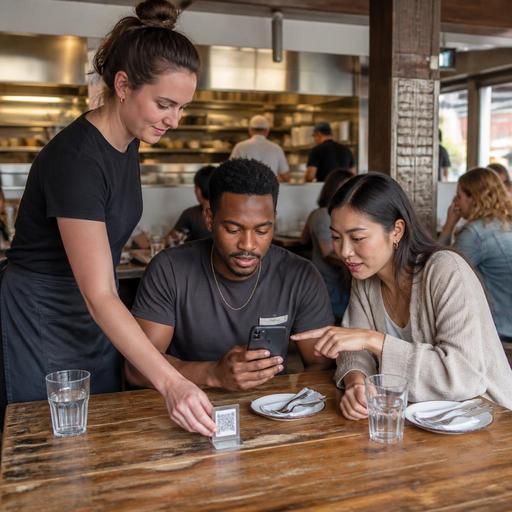
Multilingual QR Menus for U.S. Restaurants in Tourist Areas
Multilingual QR menus for U.S. restaurants can do much more than translate dish names. In tourist districts, immigrant neighborhoods, airport concessions, hotel restaurants, and busy downtown corridors, they help guests understand what they are ordering, reduce back-and-forth at the table or counter, and make service faster for staff. When built carefully, a multilingual QR menu also supports direct online ordering, smoother POS workflows, and better guest confidence without forcing operators to print and reprint stacks of paper menus.
Why multilingual QR menus matter in U.S. service environments
In many American markets, language access is not just a hospitality upgrade. It is a practical operations tool. Think about a seafood spot near Miami Beach serving international visitors, a taqueria in Los Angeles with a mix of English- and Spanish-speaking guests, a Chinatown cafe in New York with tourists and local regulars, or a hotel lobby restaurant in Orlando serving convention guests from several countries. In each case, staff often answer the same questions repeatedly: What is in this dish? Is it spicy? Does it include pork, shellfish, or alcohol? Can I order this for takeout? Does the combo come with a drink?
A QR menu can answer those questions before a server even approaches the table or before a guest reaches the fast-casual counter. That reduces order friction, shortens the line, and helps guests feel more comfortable placing a check, opening a tab, or ordering takeout. For quick-service and fast-casual operators, that clarity can also reduce abandoned orders during peak periods.
For multi-location brands, multilingual digital menus create consistency. A chain with stores in Las Vegas, Anaheim, and Manhattan can keep core menu structure aligned while adjusting language options, local pricing, alcohol availability, and fulfillment methods by location.
What a strong multilingual QR menu should include
Many operators make the mistake of translating only item titles. That is rarely enough. A useful multilingual QR menu should explain the ordering decision, not just the menu name.
- Clear dish descriptions: Explain main ingredients, cooking style, spice level, and portion expectations.
- Modifier choices: Let guests select add-ons, sides, temperatures, or protein swaps in their preferred language.
- Allergen and dietary notes: Show practical alerts where relevant, while reminding guests to speak with staff about serious allergies.
- Alcohol labeling context: If you serve beer, wine, or cocktails, make sure the menu language is operationally clear and that staff still follow local age-verification procedures.
- Takeout and dine-in differences: Mark what travels well, what is best for dine-in, and what is available for curbside pickup or the pickup shelf.
- Photo support where appropriate: In food halls, food trucks, and tourist-heavy quick-service settings, photos can reduce hesitation when language confidence is low.
For example, a New Orleans po'boy shop could describe the difference between fried shrimp and roast beef versions in English and Spanish, while a ramen shop in Honolulu might add Japanese support for broth style, noodle firmness, and add-on proteins. A Chicago deep-dish restaurant could clarify bake time expectations so guests do not assume pizza arrives as quickly as an appetizer.
How to implement multilingual QR menus without creating operational chaos
The best rollout starts with your real service flow. Before adding languages, map where confusion currently happens.
- Review the top guest questions. Ask servers, hosts, cashiers, and phone-order staff what customers misunderstand most often.
- Prioritize key pages and categories. Start with high-volume sections like combos, signature entrees, kids meals, beverages, and popular modifiers.
- Use professional translation review. Machine translation can help draft content, but menu language needs human review for food terms, regional phrasing, and cultural accuracy.
- Connect menu logic to your POS. Modifier groups, item availability, and prices should match the POS so staff are not fixing mismatched orders manually.
- Set location-based controls. A food truck may need a shorter menu than your brick-and-mortar store. An airport concession may need breakfast and dinner menus that change by time of day.
- Train staff on fallback service. QR menus should support hospitality, not replace it. Team members still need to guide guests who prefer verbal help or cannot scan easily.
This matters especially in high-turnover environments. A fast-casual Mediterranean concept in Washington, D.C. might have lunch rush guests ordering from a QR code at the table, delivery app orders firing into the kitchen display system, and pickup shelf orders waiting near the front. If the translated menu offers a modifier that does not exist in the POS, your expo line will feel the problem immediately.
Operators should also think about tipping workflows. If guests order and pay through QR, decide whether tipping appears before checkout, after service, or both where appropriate for your model. Make sure staff understand how tips are routed and recorded, and verify current federal, state, and local reporting and payroll requirements with qualified advisors.
Accessibility, compliance context, and guest trust
Multilingual access should be paired with broader accessibility thinking. Not every guest wants to use a phone, and not every guest can easily scan a code or navigate a dense menu on a small screen. Keep a backup option available, whether that is a printed menu, a staff-held tablet, or host assistance. Use readable category names, clean contrast, and simple navigation. For ADA-related accessibility expectations and any local public accommodation rules, operators should verify current requirements with qualified counsel or official guidance.
If your restaurant is part of a chain or large multi-location group, menu disclosures may also intersect with FDA menu labeling rules. The exact requirements depend on your business structure and how your menu is presented, so treat the QR menu as part of your broader menu governance process and confirm current guidance before rollout.
For payment, be careful about how taxes, fees, and service charges appear. U.S. guests can react strongly if a digital checkout feels unclear. If you use service charges, automatic gratuity in permitted settings, or separate sales tax display, present totals clearly and verify local rules. The operational goal is simple: no surprises at checkout.
Best use cases by U.S. restaurant type
Neighborhood restaurants: A family-owned diner in Queens or a cafe in Houston can offer English plus the most common local languages for breakfast, lunch, and takeout ordering.
Tourist districts: A seafood restaurant near Fisherman's Wharf or a bar and grill off the Las Vegas Strip can use multilingual QR menus to explain specials, local ingredients, and drink formats to out-of-town guests.
Food trucks: Space is limited, lines move fast, and guests often order from the sidewalk. A QR menu can display translations, combo upgrades, and pickup instructions without cluttering the truck window.
Hotel restaurants: Guests may be tired, jet-lagged, or unfamiliar with local dishes. A multilingual menu helps room service, lobby dining, and grab-and-go ordering work more smoothly.
Airport and stadium venues: These locations need speed. Short menus, visual categories, and easy reordering matter more than long storytelling copy.
Multi-location brands: Centralized menu control helps operators update one item description, 86 an ingredient, or change pricing across several stores while preserving language consistency.
Practical next steps for operators
If you want better results from multilingual QR menus, start small and measure operational impact. Pick one location with a clear need, translate your highest-volume categories, and monitor staff questions, order errors, and guest feedback. Watch whether direct online ordering improves, whether takeout modifications become cleaner, and whether front-of-house staff spend less time explaining basics.
A good multilingual menu should make the guest feel confident and make the shift easier for your team. It should connect cleanly to your POS stack, support kitchen display workflows, and fit the way Americans actually order today: dine-in, direct online ordering, delivery apps, curbside pickup, and pickup shelf retrieval.
Restomas can help operators manage QR menus, ordering flows, and location-specific menu updates in a way that fits real restaurant operations.
