Plant-Based Menu Expansion for U.S. Restaurants: Operational Steps That Matter
Plant-based menu expansion for U.S. restaurants is no longer just a branding idea. For many operators, it is a real menu engineering and workflow decision that affects prep, purchasing, POS setup, line execution, takeout packaging, and guest communication. Whether you run a neighborhood diner in Ohio, a fast-casual bowl concept in Texas, a hotel restaurant in Florida, or a food truck in Los Angeles, adding plant-based items works best when the kitchen and front-of-house systems change with the menu.
Start with menu fit, not just trend chasing
The biggest mistake operators make is adding one plant-based item that does not fit the concept, station setup, or guest traffic pattern. A sports bar in Chicago may succeed with a plant-based burger, loaded fries without dairy, and a shareable cauliflower item because those choices fit check averages and game-day ordering habits. A breakfast cafe in Portland may do better with oat milk upgrades, a tofu scramble, and a plant-based breakfast sandwich that can move quickly during the morning rush.
Look at your current menu through an operational lens:
- Which items can be adapted with the fewest new ingredients?
- Which stations will handle the build during peak periods?
- Which menu categories already perform well for substitutions or add-ons?
- Which plant-based items can travel well for takeout, pickup shelf orders, and delivery apps?
For example, a fast-casual burrito shop may find that adding plant-based protein is easier than launching several entirely new entrees. A full-service suburban grill may be better off offering one strong plant-based entree, one appetizer, and one dessert option rather than spreading complexity across the whole menu at once.
If you operate multiple locations, test in a limited market first. A downtown unit with higher lunch traffic may produce different results than an airport concession or stadium venue where speed and portability matter more than broad customization.
Adjust prep, storage, and line setup before launch
Plant-based growth changes the back of house faster than many teams expect. New sauces, alternative proteins, dairy-free cheeses, and separate garnishes can create friction if they are squeezed into an already tight line. Before launch, map the full path of each item from receiving to plating or bagging.
Questions to answer in the kitchen
- Where will new ingredients be stored, and how will they be labeled?
- Do prep lists need separate steps for plant-based sauces, spreads, or toppings?
- Will cooks need dedicated utensils, pans, or fryer procedures for certain guest expectations?
- How will the expo station identify plant-based builds clearly during a rush?
- How will delivery and takeout packaging keep hot and cold components in good condition?
Many U.S. operators also need to think about guest expectations around cross-contact. Some guests choose plant-based items for preference, while others may have dairy or egg concerns. Operationally, that means your menu language, prep workflow, and staff scripting should be clear and consistent. If your restaurant discusses allergens, dietary claims, ADA-minded digital access, FDA menu labeling context for chains, or any local food labeling rules, verify current requirements with official guidance and qualified advisors rather than relying on old templates.
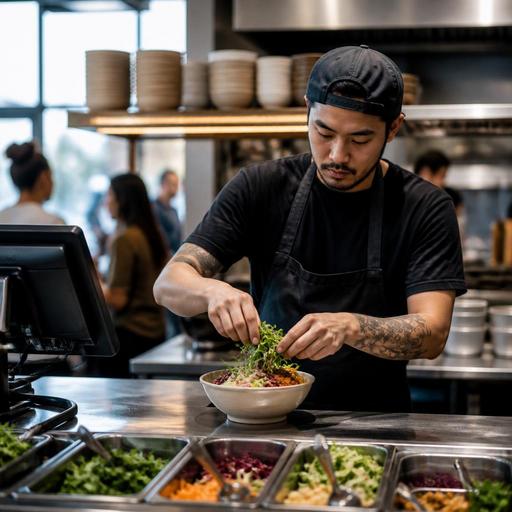
A practical example: a fast-casual salad chain might use color-coded pans and a kitchen display system modifier for plant-based builds. A burger restaurant may need a separate holding area for buns or toppings used on vegan orders so the line does not stop to ask repeated questions.
Set up POS, online ordering, and QR menus correctly
If plant-based items are hard to find or easy to ring in incorrectly, sales will suffer and remake rates will rise. The operational win comes from making plant-based choices visible and structured across every ordering channel: in-person, server-entered tabs, self-serve QR ordering, direct online ordering, and third-party delivery apps.
Your POS and digital menu setup should support:
- Clear naming: Use straightforward item names and modifier labels so guests and staff know what is included.
- Modifier logic: Prevent contradictory builds when possible, such as adding dairy-based sauce to a plant-based preset unless the guest intentionally changes it.
- Channel consistency: Match item descriptions, photos, and upcharges across your dining room menu, website, QR menu, and delivery marketplaces.
- 86 visibility: If a key item sells out, update all channels quickly so staff are not fielding preventable complaints.
- Accessible browsing: Make sure digital menus are easy to navigate on phones and readable for a broad range of guests.
For a coffee shop, this may mean adding one-tap milk alternatives and plant-based bakery callouts to the POS and QR menu. For a QSR chicken concept testing a plant-based wrap, it may mean updating combo logic, kitchen display routing, and curbside pickup order labels so the item does not get lost in a busy lunch rush.
Operators should also think about pricing and check presentation. If you add service charges, tips, or online ordering fees in some channels, make sure the guest-facing flow is easy to understand. Sales tax treatment, service charges, and tip workflows vary by jurisdiction and business model, so confirm setup details with your POS provider, accountant, or legal advisor based on current local rules.
Train staff on scripts, speed, and substitution control
Plant-based execution often breaks down at the human level, not the recipe level. Servers, cashiers, bartenders, and expediters need simple guidance they can use during real shifts. Guests often ask practical questions: Is this dairy-free? Can I swap the protein? Does it come with cheese? Is the sauce spicy? Those answers must be fast and consistent.
Create short training tools for each role:
- Front counter and servers: key ingredients, common substitutions, and how to explain the item without overpromising.
- Kitchen staff: build order, modifier handling, plating cues, and packaging steps.
- Managers: void and remake tracking, guest feedback review, and shift coaching points.
A diner adding a black bean patty should train servers to ask whether the guest wants standard sides and toppings or a fully plant-based setup. A hotel restaurant with banquet and a la carte service should define whether plant-based dishes are available across all dayparts or only on selected menus. A bar offering late-night takeout should train staff on which plant-based items hold up best after 20 minutes in transit.
Labor planning matters too. If plant-based items require extra assembly steps, schedule accordingly during launch weeks. Watch ticket times, especially in fast-casual, food truck, and airport environments where line speed drives revenue. Use sales mix and order channel data to decide whether the new menu section needs a dedicated prep window or can fold into existing stations.
Measure performance beyond simple sales counts
Do not judge plant-based menu growth only by the number of units sold in week one. Operators should review a broader set of signals to see whether the menu addition is helping or hurting the business.
- Item margin compared with similar core items
- Modifier frequency and substitution patterns
- Remakes, guest complaints, and refund reasons
- Average prep time and impact on kitchen display workflow
- Takeout and delivery performance after travel time
- Attachment rates for beverages, sides, and desserts
For example, a plant-based sandwich that sells modestly but drives premium side and drink add-ons may still be worthwhile. On the other hand, an item that generates strong clicks on delivery apps but creates slow ticket times, packaging failures, and frequent refunds may need reformulation or a different channel strategy.
Multi-location brands should compare results by store type. A college-area cafe may see strong plant-based breakfast demand, while a suburban dinner-focused location may perform better with comfort-food adaptations. Use standardized menu data, POS reporting, and inventory visibility to identify whether the issue is demand, execution, or merchandising.
Plant-based menu growth can absolutely work in the U.S. market, but the operators who benefit most are the ones who treat it like a full operational project instead of a one-line menu update. Restomas helps restaurants connect digital menus, ordering flow, and day-to-day service systems so menu changes are easier to execute across channels.