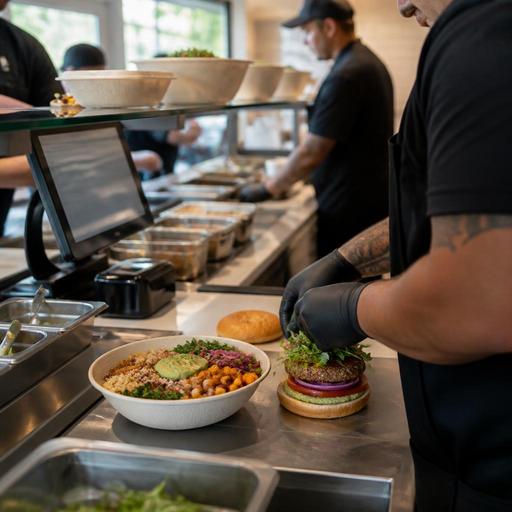
Plant-Based Menu Expansion for U.S. Restaurants: Operational Steps That Matter
Plant-based menu expansion for U.S. restaurants is no longer just a branding choice. For many operators, it is an operational project that touches prep, purchasing, menu design, POS modifiers, staff training, takeout packaging, and guest communication. Whether you run a neighborhood diner, a fast-casual bowl concept, a hotel restaurant, or a multi-unit burger brand, adding plant-based items works best when the kitchen and front of house are set up to execute consistently.
In the U.S., guests may ask very specific questions: whether a burger is cooked on the same flat top as beef, whether fries share oil with breaded chicken, whether a salad dressing contains dairy, or whether a plant-based bowl can be ordered for pickup without losing texture. That means the opportunity is real, but so is the need for clear workflows. The goal is not to promise more than your operation can support. The goal is to build a menu that your team can produce accurately during a Friday dinner rush, a lunch rush at a downtown cafe, or a late-night delivery push from a ghost kitchen.
Start with menu architecture, not just new dishes
Many operators begin by adding one plant-based burger or one vegan salad. That can work, but the stronger approach is to map where plant-based demand fits your current menu and dayparts. A breakfast cafe might add oatmeal bowls, egg-free sandwich builds, and dairy-free beverage modifiers. A sports bar might focus on shareables like cauliflower bites, black bean sliders, and dairy-free dipping sauces. A food truck may do better with one highly repeatable plant-based taco and one bowl rather than six complicated items.
Look at your existing categories and ask three practical questions:
- Which current menu items can be adapted with simple substitutions?
- Which new items can use overlapping ingredients already in inventory?
- Which plant-based items travel well for takeout, curbside pickup, and delivery apps?
For example, a fast-casual Mediterranean shop in Texas may already carry chickpeas, tahini, cucumbers, pickled onions, and rice. Adding a plant-based grain bowl may require less operational change than launching a specialty patty with separate cooking procedures. A burger shop in Illinois might choose one plant-based patty, one bun verified for ingredients, and a dedicated topping matrix in the POS rather than creating a second full burger line.
This is also where digital menus help. In-store QR menus, direct online ordering menus, and delivery marketplace menus should all present the same naming, modifiers, and ingredient notes so the guest sees a consistent offer across channels.
Build kitchen workflows that reduce confusion and cross-contact risk
Plant-based execution often fails because the recipe is fine but the line setup is unclear. If a guest orders a plant-based wrap at a busy airport concession or a vegan burger at a suburban grill during the dinner rush, the kitchen needs an obvious path for prep and firing. Otherwise, the ticket becomes a source of hesitation and remakes.
Create a simple station plan before launch:
- Identify which items need separate storage, utensils, or prep containers.
- Decide whether any items need a dedicated pan, grill zone, fryer policy, or cutting board.
- Set ticket naming and kitchen display system labels so plant-based items stand out.
- Define which modifiers are allowed and which combinations should be blocked in the POS.
- Test the item for dine-in, takeout, and delivery hold times.
A U.S. diner adding plant-based breakfast sausage should think through where patties are stored, who cooks them on a busy morning, and how the expo confirms the plate build. A QSR sandwich shop adding dairy-free cheese should decide whether every sandwich can use it or only certain builds should be offered. A stadium concession stand may need an even tighter setup because speed matters more than broad customization.
Operators should also be careful with guest-facing claims. If you discuss vegan, vegetarian, allergen-related, or shared-equipment issues, keep the language operationally accurate and verify current requirements with qualified advisors or official guidance where needed. The same goes for chain menu labeling obligations under FDA rules and any state or local disclosure requirements.
Configure POS, online ordering, and modifiers for accuracy
Plant-based growth becomes profitable when ordering channels are structured correctly. If your POS, QR ordering flow, and online ordering pages are messy, the kitchen will absorb the cost through clarification, voids, and remake tickets.
Use a disciplined modifier strategy:
- Create a clear plant-based category instead of scattering items randomly across the menu.
- Use concise item names that match the kitchen language.
- Set default ingredients and allowed substitutions carefully.
- Flag add-ons such as dairy-free cheese, avocado, extra protein, or gluten-aware bun options where relevant.
- Block combinations that your kitchen should not produce.
For example, a California fast-casual chain might offer a plant-based burrito that defaults to beans, rice, fajita vegetables, salsa, and guacamole, with optional dairy-based add-ons clearly separated. A New York coffee shop using QR ordering may let guests choose oat milk, almond milk, or no whipped topping, while making sure the POS routes those beverage modifiers cleanly to the barista screen.
This matters for labor too. If servers, cashiers, and counter staff spend too much time explaining what qualifies as plant-based, line speed suffers. Cleaner digital menus reduce ordering friction, especially for pickup shelf orders and curbside pickup where there is less face-to-face clarification.
Train staff on guest questions, upsells, and service recovery
Plant-based menu items create a new script for both front-of-house and back-of-house teams. Servers need fast, consistent answers. Counter staff need to know what can be customized. Kitchen staff need to know the non-negotiables. Managers need a service recovery plan when an item is made incorrectly.
Train on real guest scenarios, not abstract talking points. For example:
- A guest at a hotel restaurant asks whether the flatbread can be made without cheese and still hold up for room service.
- A delivery customer orders a plant-based burger and adds dairy sauce by mistake.
- A family at a diner wants one order of fries for the table and asks how they are prepared.
- A corporate lunch catering customer wants individually labeled plant-based bowls for pickup.
Build short reference sheets in plain English for hosts, servers, cashiers, and expo. Include approved wording for ingredient questions, available substitutions, and when to pause and ask a manager. If your concept uses tipping, make sure the service flow still feels natural across counter service, table service, and digital ordering. Guests should not feel confused by the check, service charge language, suggested tip prompts, or pickup tipping screens. Because U.S. rules on tips, service charges, payroll treatment, and reporting can differ by situation and jurisdiction, operators should verify current requirements with qualified payroll, tax, or legal advisors.
Upselling should also be intentional. Plant-based guests still buy appetizers, beverages, desserts, and add-ons. A server at a casual restaurant can suggest a dairy-free soup or side salad. A cashier at a bowl concept can suggest avocado, extra falafel, or a packaged beverage. The key is to offer relevant add-ons without making the guest repeat dietary preferences multiple times.
Plan inventory, packaging, and multi-location consistency
Plant-based items can create hidden complexity in purchasing. Some ingredients have shorter shelf lives, some specialty products have uneven distributor availability, and some substitutes cost more than operators expect once waste is included. Before rolling out, decide which ingredients are core, which are optional, and which are too operationally fragile for your format.
For multi-location brands, standardization matters. A franchise group or regional restaurant chain should align recipe cards, portion tools, POS buttons, and photo standards across stores. Otherwise one location may build a strong plant-based bowl while another sends out a weak version that performs poorly on delivery apps.
Packaging deserves equal attention. A crispy plant-based sandwich may need vented packaging for takeout. A grain bowl for office lunch delivery may need sauce packed on the side. A coffee shop launching dairy-free drinks should test lids, temperature retention, and label workflows so pickup shelf orders are easy to identify without exposing private guest information.
Finally, track performance by channel. Dine-in demand may differ from direct online ordering, third-party delivery apps, and catering. If a plant-based item sells well in-store but creates complaints on delivery marketplaces, the issue may be packaging or hold time, not the recipe itself.
Plant-based growth can be a smart move for U.S. restaurants when it is treated as an operating system update, not just a trend item. With clear menu structure, kitchen workflows, channel-specific setup, and team training, operators can serve these guests accurately and profitably. Restomas can help restaurants organize digital menus, modifiers, ordering flows, and multi-location consistency as that menu evolves.
