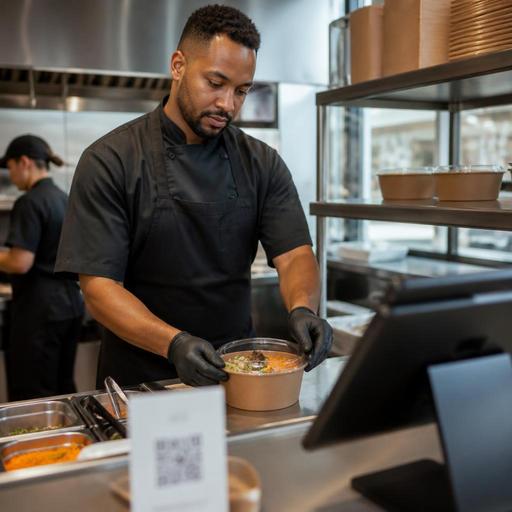
Plant-Based Menu Expansion for U.S. Restaurants: Operations That Need to Change
Plant-based menu expansion for U.S. restaurants is no longer just a marketing idea. For many operators, it changes prep flow, menu structure, POS buttons, inventory, staff training, takeout packaging, and guest communication. Whether you run a neighborhood diner, a fast-casual bowl concept, a hotel restaurant, a sports bar, or a food truck, adding more plant-based items works best when the operational plan is as strong as the recipe.
In the U.S., guests often expect plant-based choices to be easy to find, easy to customize, and clearly explained. A guest ordering through a QR menu at a suburban cafe may want to remove cheese and add avocado. A delivery app customer ordering from a downtown burger spot may expect a separate plant-based patty option with its own modifier flow. A multi-location fast-casual brand may need consistent naming, prep standards, and inventory visibility across every store. The menu decision is simple compared with the execution.
Redesign the menu before you redesign the kitchen
Many operators start with ingredients, but the first operational step should be menu architecture. Plant-based items can create confusion if they are buried in long modifier chains or mixed into standard items without clear labeling. In a U.S. service environment, where guests order from servers, kiosks, QR menus, direct online ordering pages, and delivery apps, consistency matters.
Start by deciding how each item will appear in every ordering channel. For example, a casual burger restaurant in Ohio might offer a black bean burger, a plant-based patty swap, and a dairy-free cheese add-on. Those should not appear with different names on the in-house menu, the POS, the QR menu, and third-party delivery apps. If the kitchen display system shows one term, the expo line uses another, and the online menu uses a third, mistakes increase fast.
Clear item descriptions also help reduce friction. Instead of vague wording, use practical descriptions such as grilled cauliflower tacos with corn tortillas and avocado salsa, or oat-milk soft serve available after 3 p.m. If you mention allergens, ingredients, or dietary characteristics, keep language operationally accurate and avoid overpromising. If your restaurant discusses allergens, vegan preparation, or cross-contact controls, verify current local requirements and use qualified legal or food safety guidance where needed.
- Create one naming standard for dine-in, takeout, QR ordering, and delivery apps.
- Build modifier logic carefully so guests can make realistic swaps without creating kitchen confusion.
- Use concise descriptions that help guests understand what makes the item satisfying, not just what it omits.
- Review chain-level menu labeling obligations with qualified advisors if your business may fall under federal, state, or local rules.
Plan prep, storage, and line setup to avoid service slowdowns
Plant-based growth often adds hidden complexity to the line. A breakfast cafe adding tofu scramble, dairy-free butter, and plant-based sausage may need new holding containers, separate utensils, updated par levels, and revised opening checklists. A stadium concession stand offering a plant-based brat or burger may need a fast way to distinguish wraps and buns during a rush. A food truck with limited cold storage may need a tighter purchasing rhythm than a full-service restaurant.
Before launch, map every new menu item from receiving to service. Ask simple questions. Does the item need separate refrigeration space? Does it require a dedicated fryer policy or a clearly communicated shared-fryer policy? Does the saut station have room for another pan during peak dinner? Can the expo team identify a plant-based order at a glance?
For a fast-casual grain bowl concept, the solution may be color-coded pans and a dedicated plant-based sauce bottle on the make line. For a full-service American diner, the solution may be a separate section on the flat-top ticket flow plus a plate marker during brunch. For hotel food service, where banquet, room service, and restaurant menus overlap, standard recipes and prep sheets become even more important.
Operationally, plant-based items should be treated like any other category expansion: test ticket times, monitor waste, and adjust prep batches. If one lentil chili sells mostly through delivery after 6 p.m., prep and hold plans should reflect that real pattern rather than guesswork.
Update POS, ordering channels, and reporting so the menu is actually sellable
A plant-based item that exists only on the printed menu is not fully launched. U.S. restaurants now sell through multiple channels, and each channel needs clean setup. That includes POS buttons, kitchen display routing, direct online ordering, QR menus, and delivery marketplaces.
For example, a Los Angeles fast-casual concept might sell a plant-based chicken wrap in-store, through its own website, and through delivery apps. If the item has different modifier limits on each platform, guests will place orders the kitchen cannot execute consistently. If the POS does not route no-cheese or dairy-free sauce requests clearly to the kitchen display system, remakes go up. If reporting does not separate plant-based item sales from general sandwich sales, purchasing gets harder.
Operators should also think about tax, service charge, and payment workflow impacts where relevant. For instance, if a plant-based tasting event is sold with a prepaid service charge, or if a hotel outlet bundles charges differently from a street-side cafe, managers should confirm how checks, gratuities, service charges, and sales tax are configured in their systems based on current local rules. This is an operational setup issue, and operators should verify details with their POS provider, accountant, or legal advisor.
- Add plant-based items and modifiers consistently across all ordering channels.
- Route modifiers to the correct kitchen station on the kitchen display system or printer path.
- Track sales by item, not just by broad category, so purchasing and menu decisions improve over time.
- Review direct ordering pages and delivery app menus for naming consistency, photos, and realistic pickup times.
- Check ADA-minded accessibility for digital menus and online ordering flows so guests can navigate options more easily.
Train front-of-house and kitchen teams on scripts, substitutions, and guest trust
Plant-based menu growth often fails at the handoff between menu design and staff communication. Servers, cashiers, bartenders, and expo staff need short, usable language. Guests in the U.S. often ask practical questions: Is the bun dairy-free? Can I swap the aioli? Is the fryer shared? Does the kids' meal have a plant-based option? If staff guess, guest trust drops quickly.
Create a one-page training sheet for each new item. Include ingredients, approved substitutions, common guest questions, and what staff should never promise. A sports bar in Texas might train bartenders to suggest a plant-based slider with a local draft during happy hour, while also clarifying what can and cannot be modified during peak game traffic. An airport concession may need especially tight scripts because travelers order quickly and often rely on visible grab-and-go labeling.
Kitchen teams also need training beyond recipes. They should know ticket abbreviations, packaging differences, and how to handle guest notes. If your direct ordering site allows notes like no butter or separate sauce, the line must know whether those notes should be accepted, flagged, or limited through better modifier design.
For operators with tipped staff, menu expansion can also affect check averages, pacing, and server confidence. Strong training helps servers recommend plant-based items naturally rather than treating them as a special request category.
Use rollout discipline for takeout, delivery, and multi-location consistency
Plant-based items often travel differently than standard menu items. A crispy cauliflower sandwich may steam in a closed clamshell. A dairy-free shake may separate faster during delivery. A grain bowl may hold well for curbside pickup but need sauce packed on the side for a 20-minute delivery run. Test each item for dine-in, pickup shelf staging, curbside pickup, and delivery app handoff before full launch.
Multi-location brands should avoid letting each store improvise. Build standard recipe cards, packaging rules, photo standards, and item naming conventions. Then compare store-level performance. One Chicago location may sell more plant-based lunch bowls to office workers, while a suburban Arizona location may do better with family-style takeout add-ons. Standardization first, local tuning second.
Good rollout discipline also means measuring what matters: ticket times, voids, modifier frequency, waste, guest comments, and repeat orders. If a plant-based item creates too many custom notes, that is usually a menu design problem, not a guest problem.
Plant-based growth can be profitable and brand-building, but only when the back-of-house, front-of-house, and digital ordering stack all move together. Restomas helps operators keep menus, ordering flows, and kitchen communication more aligned as new menu categories roll out.