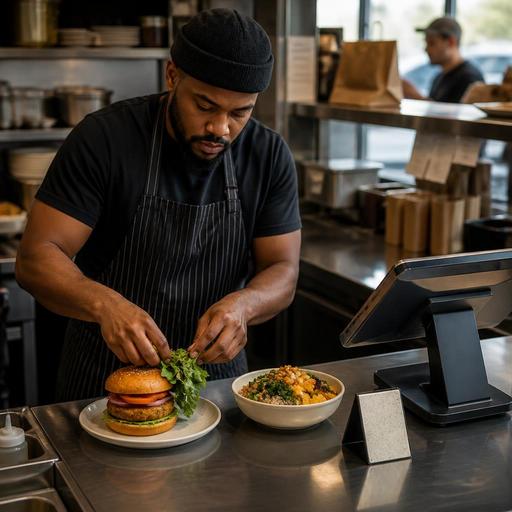
Plant-Based Menu Growth for U.S. Restaurants: Operational Changes to Plan
Plant-based menu growth for U.S. restaurants is no longer just a branding idea. For many operators, it is an operational decision that affects prep, inventory, menu structure, POS buttons, modifier logic, takeout packaging, and staff training. Whether you run a neighborhood diner, a fast-casual bowl concept, a hotel restaurant, a bar with late-night food, or a multi-location QSR brand, adding or expanding plant-based items works best when the back-of-house and front-of-house changes are planned together.
In the U.S. market, guest expectations are also specific. Some guests want a fully vegan meal, some just want a meatless option on Fridays or during lunch, and others want to swap a plant-based patty into a familiar burger build. That means operators need clear menu language, reliable substitution workflows, and consistent execution across dine-in, takeout, direct online ordering, and delivery apps.
Start with menu architecture, not just new recipes
A common mistake is treating plant-based growth like a one-off limited-time offer. A better approach is to decide where plant-based items fit inside your core menu system. In a U.S. fast-casual salad and grain bowl shop, that may mean creating one default plant-based bowl, plus easy protein add-ons. In a diner, it may mean a plant-based breakfast hash, a burger swap, and a dairy-free milk option for coffee service. In a sports bar, it may mean one shareable appetizer, one handheld, and one late-night item that can hold well for delivery.
Review the menu in three layers:
- Dedicated items: fully built dishes such as a black bean burger, tofu rice bowl, or cauliflower taco plate.
- Substitution paths: swap rules like plant-based patty instead of beef, oat milk instead of dairy, or vegan cheese as an upcharge.
- Modifier clarity: no mayo, no butter, no cheese, sauce on the side, gluten-aware requests, and allergy-related notes routed correctly to the kitchen display system.
This structure matters because digital ordering systems, QR menus, and POS integrations all depend on clean item logic. If your online menu says guests can swap proteins but the POS or kitchen display system does not handle that cleanly, ticket confusion follows fast.
Adjust prep, storage, and line setup before launch
Plant-based menu growth usually changes more than purchasing. It can reshape your prep table, cold storage, and cook line flow. A food truck with one flat-top may need a separate section, timing rule, or cleaning procedure before cooking a plant-based patty after beef. A hotel restaurant serving breakfast and room service may need separate par levels for dairy-free yogurt, plant-based sausage, and non-dairy coffee options to avoid overnight stockouts. An airport concession may need ultra-simple builds because speed and consistency matter more than broad customization.
Operators should map the physical workflow before rolling out new items:
- List every new ingredient and where it will be stored.
- Decide whether each item is a core SKU or a limited-use ingredient.
- Set par levels for lunch, dinner, and weekend demand separately.
- Test how the item moves through the line during peak periods.
- Confirm that expo, packaging, and labeling support the final build.
For example, a suburban burger chain adding a plant-based patty should test whether buns, sauces, and toppings are truly compatible with the intended guest promise. If the sandwich is marketed as vegan but the standard bun contains dairy or the sauce station defaults to mayo, the issue is operational long before it becomes a marketing problem.
When topics touch food labeling, allergens, or specific guest dietary claims, keep the workflow precise and verify current federal, state, and local requirements with qualified advisors or official guidance. Chains should also confirm whether FDA menu labeling rules apply to their business model and footprint.
Build digital ordering and POS workflows that reduce mistakes
Plant-based items tend to generate more guest questions and more modifiers than standard menu items. That makes digital clarity essential. On direct online ordering pages and QR menus, guests should be able to see what the item is, what can be changed, and which add-ons cost extra. On the POS side, staff need buttons and prompts that make the right build easy during a rush.
Focus on these practical system details:
- Item naming: use plain U.S. menu language guests understand, such as plant-based burger, dairy-free shake, or vegan breakfast burrito.
- Modifier groups: separate substitutions from add-ons so the kitchen can read tickets quickly.
- Channel consistency: match item availability across in-store ordering, QR ordering, direct online ordering, and delivery apps.
- Sold-out controls: if oat milk or plant-based patties run out, remove or pause them in real time to prevent order recovery issues.
- KDS routing: send clear prep notes to the correct station, especially if one station handles special builds.
A coffee shop is a simple U.S. example. If almond milk, oat milk, and coconut milk are all available, each should be easy to ring in at the POS, easy to select in mobile ordering, and visible on the production screen. Otherwise the barista has to stop and ask follow-up questions while the line backs up.
ADA-minded access also matters. Digital menus should be easy to navigate, readable, and structured so guests can understand options without guesswork. Operators should review accessibility expectations with qualified professionals and current guidance when updating ordering flows.
Train staff on guest language, upsells, and check accuracy
Many plant-based launches fail at the handoff between menu design and staff communication. Servers, cashiers, bartenders, and shift leads need short, practical talking points. In a full-service restaurant, the server should know whether a dish is fully vegan, vegetarian, or simply plant-forward. In a fast-casual line, the cashier should know which toppings or sauces change the classification. In a bar, staff should know which late-night item pairs well with draft beer and still travels well for takeout.
Training should cover:
- How to explain substitutions without slowing the line
- Which ingredients trigger the most guest questions
- What the kitchen can and cannot modify during peak periods
- How plant-based upcharges appear on the guest check or tab
- How to fix common ordering mistakes before they reach the table or pickup shelf
For operators with tipped staff, cleaner POS prompts and clearer menu builds can reduce check adjustments and voids. If a guest expected a vegan build and received the standard sauce, the remake affects labor, food cost, and tip flow. Restaurants should keep tip reporting, service charge handling, and payroll workflows aligned with current rules, and verify local requirements with qualified advisors because those rules differ by jurisdiction and setup.
Plan packaging, pickup, and multi-location consistency
Plant-based growth often succeeds first in off-premise channels. Guests searching delivery apps may specifically filter for vegan or vegetarian options, and office lunch customers may want lighter bowls, wraps, or grain plates. That makes packaging and fulfillment part of menu strategy, not an afterthought.
A few U.S. examples show why this matters. A downtown fast-casual concept may do strong lunch volume through direct online ordering and curbside pickup, so sauces need secure cups and labels need to distinguish a plant-based wrap from the chicken version. A stadium venue may need very limited modifiers but strong visual differentiation at handoff to keep lines moving. A multi-location brand needs the same item names, prep steps, and availability rules across every store so guests do not see one version in the app and another at the counter.
Use a simple rollout checklist:
- Photograph and document the final build for every channel.
- Set packaging standards for dine-in leftovers, takeout, and delivery.
- Define pickup shelf labeling so similar items are not mixed up.
- Track voids, remakes, and sold-out incidents by location.
- Review guest feedback from servers, delivery apps, and direct ordering weekly.
Also remember the pricing workflow. If you add plant-based upcharges, combo pricing, or bundled meals, make sure the POS, online ordering, and sales tax setup reflect the same logic. Service charges, tips, and taxable treatment can vary by jurisdiction and by how charges are structured, so operators should confirm current requirements with their accountant, payroll provider, or official state and local guidance.
Plant-based menu growth works best when it is treated as an operating system update, not just a menu trend. The winning restaurants are usually the ones that make ordering clearer, prep simpler, guest expectations more accurate, and multi-channel execution more consistent. Restomas can support that kind of rollout by helping operators keep digital menus, ordering flows, and kitchen communication aligned as the menu evolves.
