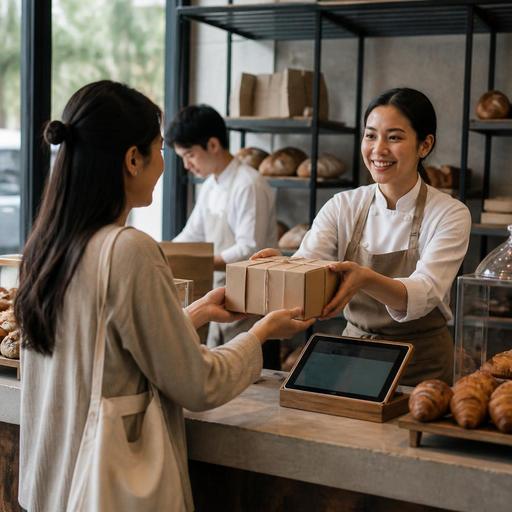
Pre-Order Systems for Bakeries: Smarter Production, Faster Pickup
For bakeries and patisseries, a pre-order system for bakeries is more than a convenience feature. It can become a practical operating tool that helps teams plan production, manage pickup windows, reduce avoidable waste, and give customers more confidence when ordering popular items. Whether you sell celebration cakes, morning pastries, sandwich boxes, or seasonal desserts, pre-orders can turn demand from a daily guess into a more controlled workflow.
Unlike many restaurant formats, bakeries often face intense demand peaks, short product shelf life, and strong customer expectations around freshness. A guest may want croissants ready at 8 a.m., a birthday cake personalized for Saturday afternoon, or a tray of desserts reserved before they sell out. When those requests are handled by phone, paper notes, direct messages, and staff memory, mistakes become more likely. A structured digital flow makes the process clearer for both the customer and the team.
Why Pre-Orders Matter More in Bakeries Than in Many Other Food Businesses
Bakery operations are highly time-sensitive. Production begins early, many products have limited same-day value, and a single best-selling item can sell out before midday. At the same time, overproduction creates waste, margin pressure, and unnecessary stress for staff.
A pre-order system helps bakery owners replace assumptions with visible demand. If a patisserie sees advance orders for fruit tarts, éclairs, and custom cakes by the previous evening, production can be aligned more accurately. If a neighborhood bakery knows how many breakfast boxes are scheduled for office pickup, the team can stage packaging, assign labor, and prepare handoff timing more smoothly.
It also improves the guest experience in a very practical way. Customers do not want uncertainty around important purchases. A parent ordering a birthday cake wants confirmation of size, flavor, message, and pickup time. An office manager ordering breakfast for a meeting wants reliability, not a back-and-forth message chain. Clear pre-order steps reduce friction and build trust.
Which Bakery Items Benefit Most From a Pre-Order Workflow
Not every item needs advance ordering, but some categories gain immediate operational value from it. The strongest candidates usually involve customization, limited production capacity, or predictable event-based demand.
- Custom cakes with flavor, size, decoration, inscription, or dietary options
- Pastry boxes for offices, meetings, and family gatherings
- Seasonal products such as holiday desserts, special breads, or limited-edition sweets
- High-demand breakfast items reserved for early pickup
- Catering trays for schools, corporate events, and private celebrations
- Products with limited daily batches that often sell out quickly
For example, a patisserie may continue selling walk-in slices and impulse purchases at the counter, while routing whole cakes and dessert platters through a pre-order process. A bakery with strong commuter traffic may allow guests to reserve baguettes and croissants for pickup before work. This creates a better balance between spontaneous sales and planned production.
How to Design a Pre-Order Process That Staff Can Actually Run
The biggest mistake is treating pre-orders as just an online form. A useful system must match the way the bakery actually works. That means the menu structure, order rules, timing, and internal handoff all need to be clear.
1. Define lead times by product
Different items need different preparation windows. A cheesecake might require advance chilling time. A custom cake may need at least one or two days depending on decoration complexity. A breakfast box may only need same-day morning cutoff. Setting realistic lead times protects product quality and prevents staff overload.
2. Offer controlled customization
Customization should be simple enough for customers to complete without confusion and structured enough for staff to execute consistently. Instead of open-ended requests for every item, use guided options such as size, sponge flavor, cream type, fruit choice, message text, and pickup date. This reduces clarification calls and production errors.
3. Use pickup windows, not vague times
“Anytime after noon” sounds flexible, but it creates congestion and uncertainty. Pickup windows such as 12:00-12:30 or 16:00-17:00 help staff batch packaging, manage cold storage, and reduce counter bottlenecks. This is especially useful on weekends and holidays.
4. Make internal notes visible
Special instructions must not stay hidden inside a message inbox. The decorating team, front counter, and packaging station should all be able to see the essential order details. If the guest requests “no nuts,” “happy birthday Lina,” or “separate candles,” those details need to move with the order through the workflow.
5. Confirm what is included
Many mistakes come from assumptions. If a cake includes a standard message but candles cost extra, say so clearly. If macarons are sold in fixed box counts, present that directly. Clear menu management reduces disputes at pickup.
Operational Gains: Less Waste, Better Labor Planning, Fewer Front-Counter Problems
A bakery pre-order system should create measurable operational improvements even before you think about marketing. The first gain is better production control. Advance visibility helps bakers prepare quantities closer to actual demand. This does not remove walk-in variability, but it gives a stronger baseline for planning.
The second gain is labor coordination. If Friday includes several custom cake pickups and two catering trays, managers can schedule decorating, baking, packing, and front-of-house coverage more intelligently. Staff are less likely to be interrupted by repeated phone checks, handwritten order confusion, or last-minute search for missing details.
The third gain is a smoother pickup experience. In many bakeries, the rush problem is not only baking volume but handoff chaos. Guests arrive, names are hard to find, payment status is unclear, and boxed items are mixed with general queue traffic. A digital order flow connected to menu and order management can help separate pre-paid pickups, mark ready orders, and support a faster counter experience.
This is where restaurant digitization matters even in small-format food businesses. Tools often associated with restaurants, such as centralized order management, digital menus, and POS-connected workflows, also solve bakery-specific bottlenecks when adapted properly.
How to Launch a Pre-Order System Without Disrupting Daily Trade
You do not need to digitize every product at once. Start with the items that cause the most confusion or create the most operational pressure. For many bakeries, that means celebration cakes, dessert boxes, and holiday specials.
- Audit current order channels. List how orders arrive now: phone, Instagram, WhatsApp, walk-in, website, staff notebook.
- Choose three to five products for phase one. Focus on items with customization, high demand, or frequent mistakes.
- Set clear rules. Define cutoff times, pickup windows, modification policy, and payment approach.
- Standardize product options. Build a clean digital menu structure with limited but useful choices.
- Train staff on one workflow. Everyone should know where to check orders, how to mark progress, and how to handle exceptions.
- Review after two weeks. Look for repeated customer questions, bottlenecks, and products that need better descriptions.
For example, a patisserie could begin by digitizing whole cake orders only. Once the team is comfortable, it can add weekend pastry boxes, then seasonal preorder collections, then catering trays. This phased approach is easier than trying to redesign the entire business at once.
It is also important to connect the pre-order experience to how guests discover and trust the bakery. If social media posts feature limited desserts, the ordering path should be easy to find. If the website shows celebration cakes, the menu should clearly explain options, lead times, and pickup. Operational clarity and marketing clarity should support each other.
In practice, bakery owners benefit most when pre-orders are not treated as a side channel but as part of a unified digital system. When menus, order details, pickup timing, and staff visibility work together, the business becomes easier to run and easier to buy from. Restomas supports this kind of structured digital flow with tools that help food businesses manage menus, orders, and guest interactions more clearly.
