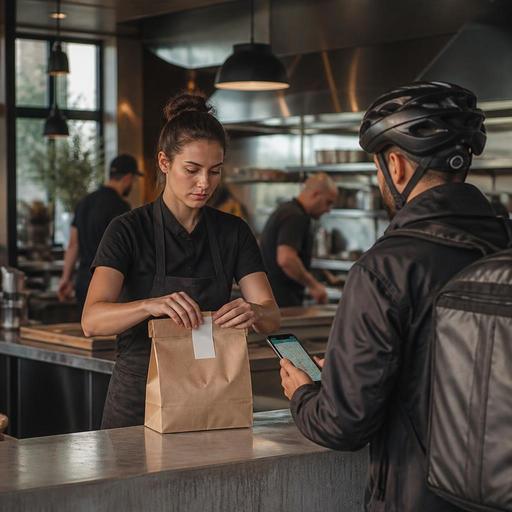
Real-Time Delivery Tracking for Restaurants: Earning Guest Trust
Real-time delivery tracking for restaurants is no longer just a convenience feature. For many guests, it is part of what makes delivery feel reliable, transparent, and worth ordering again. When people can see that an order was accepted, prepared, handed off, and brought closer to their address, they feel less uncertainty. For restaurant owners, that visibility can reduce repetitive phone calls, lower friction during delays, and create a delivery experience that feels organized rather than improvised.
Live courier tracking matters most when expectations are fragile. A guest who is waiting at home, between meetings, or ordering for family dinner is not only buying food. They are buying predictability. If the restaurant gives no updates, even a well-prepared order can feel late. If the restaurant shares clear progress, guests are often more patient because they understand what is happening. This is why delivery trust is not built only in the kitchen. It is built across the full order journey.
Why live tracking changes the delivery experience
Traditional delivery communication often depends on manual status updates or staff answering the phone. That creates avoidable pressure during busy service. A cashier may be explaining the same order status to several guests while the kitchen is trying to stay on pace. In contrast, live courier tracking gives guests self-service visibility. They do not need to guess whether the order is still being prepared or already on the road.
This visibility supports trust in practical ways:
- It reduces uncertainty. Guests can see movement instead of waiting in silence.
- It sets realistic expectations. If the courier is nearby, guests know to be ready. If the route is longer, they understand the delay more clearly.
- It lowers support volume. Fewer “Where is my order?” calls means staff can focus on service and production.
- It makes the restaurant appear more organized. Even when demand is high, structured communication feels professional.
Consider a practical example. A lunch-focused restaurant serving office districts may get a wave of orders within a short period. Without tracking, front-of-house staff may spend valuable time answering calls from customers worried about timing. With live tracking, the guest can see that the courier has picked up the order and is navigating traffic. The food may arrive at the same time either way, but the guest experience is very different.
Where guest trust is won or lost during delivery
Many restaurant owners think of trust as a branding issue, but in delivery it is often an operations issue. Guests judge trust through small moments. If a promised status never updates, if handoff timing is unclear, or if the courier arrives unexpectedly with no notice, confidence drops quickly.
The key moments are usually:
- Order confirmation. The guest needs immediate reassurance that the restaurant received the order correctly.
- Preparation progress. Even a simple status such as accepted, in preparation, or almost ready reduces doubt.
- Courier assignment and pickup. This is where the order starts to feel real and time-sensitive.
- Final approach. Guests want to know when to come downstairs, open the gate, or be ready at the door.
- Exception handling. If there is a delay, a missing item risk, or traffic disruption, clear updates matter more than perfect speed.
Restaurants often lose trust not because of one late order, but because the process feels opaque. Guests are usually more forgiving when communication is clear. They are less forgiving when they feel ignored. This is why live tracking should be treated as part of hospitality, not just logistics.
How to implement tracking without creating more complexity
Adding live courier tracking should simplify operations, not introduce another disconnected system. The strongest setup is one where order intake, preparation flow, and delivery updates connect naturally. If staff must manually copy information between channels, errors increase and status accuracy suffers.
Restaurant owners should review their current delivery workflow with a few practical questions:
- Does the team know exactly when an order moves from accepted to in preparation to ready?
- Is courier pickup recorded in a way that updates the guest automatically?
- Can staff quickly spot delayed orders before the guest calls?
- Are direct orders and third-party delivery orders handled with consistent communication standards?
A useful approach is to map the delivery journey from the guest perspective first, then from the staff perspective. For example, if guests regularly call ten minutes after placing an order, the issue may not be delivery speed. The issue may be silence during the first stage. If guests often miss the courier at the entrance, the problem may be weak final-arrival communication.
This is where digital restaurant systems can help. Platforms such as Restomas can support a more connected order environment by organizing menus, incoming orders, and service flows more clearly. When digital operations are more structured, it becomes easier to provide accurate status communication instead of relying on verbal updates and memory.
Operational habits that make tracking truly useful
Tracking only works when the underlying workflow is disciplined. A moving map cannot fix a confused handoff. Restaurants need simple habits that keep status information trustworthy.
1. Set realistic prep times
If the kitchen routinely needs twenty minutes but the system signals a shorter window, tracking will expose inconsistency rather than build trust. Review prep estimates by daypart, menu category, and peak periods.
2. Separate ready-for-pickup from packed-and-checked
An order should not appear ready if it is still waiting for drinks, sauces, or item verification. A precise final check helps avoid handoff mistakes that tracking alone cannot solve.
3. Create one ownership point for courier handoff
Whether it is the expo station, cashier, or delivery shelf manager, someone should own the handoff moment. This prevents orders from sitting unnoticed while the guest sees no movement.
4. Prepare for exceptions
Traffic, weather, building access issues, and courier delays will happen. Decide in advance how staff should respond. A short, timely message is usually better than waiting for the guest to complain.
5. Use tracking insights for review
Look back at orders that triggered complaints. Was the issue long kitchen prep, late courier assignment, poor packaging readiness, or missing communication? Tracking data is most valuable when it leads to process improvements.
How restaurants can turn delivery visibility into repeat business
Guests remember smooth delivery because it reduces mental effort. They do not need to chase updates, stand by the window too early, or wonder whether the order was forgotten. That ease can influence repeat ordering just as much as food quality, especially for busy professionals, parents, and office customers.
To turn live courier tracking into a loyalty advantage, restaurant owners can take a few direct actions:
- Audit every delivery message. Make sure wording is clear, calm, and useful.
- Align menu promises with delivery reality. Items that travel poorly or slow down dispatch should be reviewed.
- Train staff on status accuracy. Guests trust the system only when updates reflect real progress.
- Reduce avoidable call volume. Track which questions guests ask most often and solve them through better visibility.
- Monitor peak-time exceptions. Trust is tested most during Friday nights, lunch rushes, and bad weather.
The broader lesson is simple: delivery trust is built through visibility, consistency, and operational honesty. Restaurants do not need flashy features to achieve this. They need a delivery process that informs guests at the right moments and supports staff with better coordination. A digital setup that connects menu management, order flow, and service updates can make that much easier to maintain as volume grows.
If your restaurant is improving delivery operations, Restomas can help you organize digital ordering and service workflows more clearly.