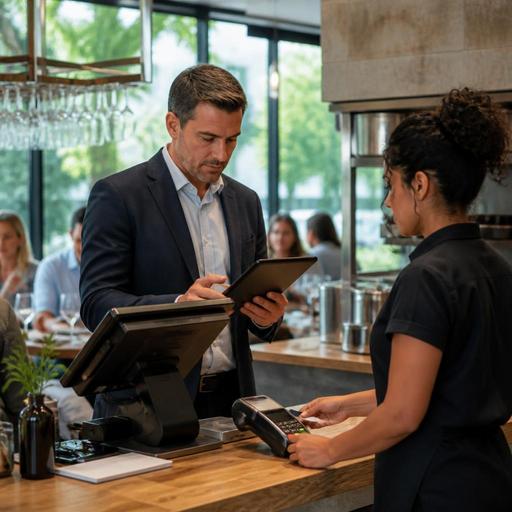
Restaurant E-Receipts and Digital Invoicing: What to Automate First
Restaurant e-receipts and digital invoicing are no longer just accounting upgrades. For restaurants, cafes, and food-service businesses, they are part of a smoother guest journey and a more reliable back-office operation. When receipts, invoices, order data, and payment records move through one connected workflow, teams spend less time fixing manual mistakes and more time serving guests. The key is not to automate everything at once, but to identify the points where paper, duplicate entry, and unclear handoffs create daily friction.
Why e-receipts and digital invoicing matter in restaurant operations
In many restaurants, the billing process still breaks into separate steps: a server closes a table, a receipt is printed, a manager handles invoice requests later, and someone in the office reconciles payment records with POS transactions. Each extra handoff increases the chance of delay, missing information, or inconsistent records.
Digital workflows reduce that friction. An e-receipt can be sent automatically after payment by SMS, email, or QR access, while invoice details can be captured during checkout instead of through a later phone call. This matters not only for accounting accuracy but also for service speed. Guests who need a business invoice do not want to wait while staff search for old tickets or re-enter order details manually.
For operators, the real value is visibility. When sales, taxes, payment methods, refunds, and invoice status are linked to the original order, it becomes much easier to review exceptions, answer guest questions, and prepare records for finance teams or accountants.
What restaurants should automate first
The best automation priorities are the ones that remove repetitive tasks from frontline staff without making the guest experience feel complicated. Start with the moments that happen many times every day.
- Receipt delivery after payment: Instead of relying only on printed slips, let guests receive a digital receipt automatically once a transaction is completed. This is especially useful for takeaway, quick-service, and high-turnover lunch service.
- Invoice detail capture at checkout: If guests often request company invoices, add a simple step for collecting billing details before the payment is finalized. This prevents later back-and-forth with staff.
- POS-to-invoice data transfer: Order totals, tax information, discounts, and payment type should flow directly from the POS or order management system into the invoicing workflow. Re-entering this data manually is one of the most common sources of avoidable errors.
- Refund and cancellation documentation: When a transaction is reversed or adjusted, the related receipt and invoice records should update clearly. This helps managers explain discrepancies and keeps reporting cleaner.
- End-of-day reconciliation support: Digital records should make it easier to compare sales, payment collections, voids, and invoice activity at close. This saves manager time and reduces confusion during shift handover.
These first automations are practical because they affect both guests and staff immediately. They also create the foundation for more advanced reporting later.
Common restaurant scenarios where manual billing causes problems
Consider a busy cafe during weekday lunch. A guest pays quickly at the counter, then asks for the receipt by email after leaving. If the only record is a printed slip or a manually searchable ticket, staff must stop what they are doing to find the order. With automated e-receipts, the guest could have received the document immediately, without creating extra work for the team.
Now consider a full-service restaurant with corporate diners. One table asks to split the bill, while another needs a company invoice with tax details. If staff must close the check in one system and then prepare invoice information separately, delays are almost guaranteed during peak hours. A connected workflow reduces those pauses by carrying order data into the billing step automatically.
Another common issue appears in delivery and pickup operations. A guest places an order online, pays digitally, and later contacts the restaurant asking for proof of purchase. If online ordering, payment, and receipt generation are not connected, the restaurant may have to search across multiple tools. That is not just inefficient; it can also create inconsistent records if staff send the wrong document or miss key details.
These are not rare edge cases. They are everyday service moments where digitization improves both accuracy and professionalism.
How to design a practical automation workflow
Restaurant owners should think of e-receipts and digital invoicing as part of one service workflow, not as isolated finance features. A useful setup usually follows a simple sequence.
- Map the billing journey: Identify where receipts are created, where invoice requests appear, who approves exceptions, and how records are stored.
- Standardize guest input: Decide when and how guests provide email addresses or invoice details. Keep the process short and clear.
- Connect order and payment data: Make sure the same transaction reference follows the order from checkout to receipt to invoice record.
- Set exception rules: Define how staff should handle split bills, corrected checks, refunds, and post-payment invoice requests.
- Train staff on guest-facing language: Staff should know how to offer digital receipts naturally, explain invoice options, and avoid creating confusion during busy service periods.
- Review records regularly: Managers should check a small set of daily exceptions rather than wait for accounting problems to pile up.
This approach keeps automation grounded in service reality. The goal is not to add screens or steps for staff. The goal is to remove repetitive manual work while making records more dependable.
Guest experience and staff benefits of getting it right
When billing automation is well implemented, guests notice the difference in subtle but important ways. They receive proof of payment quickly. They do not need to chase the restaurant for invoice corrections. They can move through checkout with fewer delays, especially in fast-paced environments.
Staff benefit just as much. Servers and cashiers spend less time reprinting receipts, answering avoidable billing questions, or passing office tasks to managers. Shift leaders gain a clearer view of what happened during service because receipts, invoices, and payment records are easier to trace. Finance teams receive more consistent information, which reduces the need for manual cleanup later.
There is also an environmental and brand benefit. Many guests are already comfortable with digital receipts, especially when they order through QR menus, self-service flows, or online channels. Offering e-receipts can feel like a natural extension of a modern restaurant experience rather than a disruptive change.
That said, operators should still keep flexibility. Some guests will want printed receipts, and some service situations require them. The smartest model is not paper-only or digital-only. It is a controlled system where digital becomes the default for the workflows that benefit most from speed, traceability, and convenience.
How to start without disrupting service
If your restaurant wants to improve billing operations, begin with one service channel and one clear objective. For example, a cafe might start by automating e-receipts for counter orders. A full-service restaurant might begin with invoice detail capture for business diners. A multi-channel operator might focus first on linking online orders with digital proof of purchase.
Before rollout, test the process with real scenarios: split payments, voided items, takeaway orders, refunds, and guest requests after service. Make sure staff know what happens automatically and what still needs approval. Keep guest prompts simple and avoid asking for unnecessary information.
It is also worth checking whether your digital menu, ordering, reservations, and POS-related workflows already collect useful data that can support cleaner billing. In many cases, restaurants do not need an entirely separate process. They need better connections between the systems they already use.
Restomas helps restaurants bring menus, ordering, and operational workflows into one digital environment, making it easier to support cleaner receipt and invoicing processes without adding unnecessary complexity.
