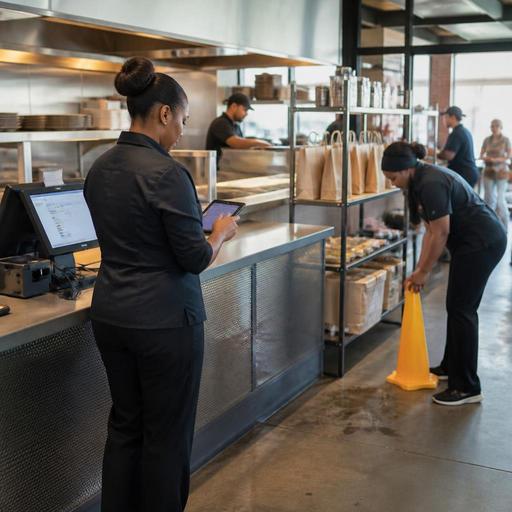
Restaurant Incident Log and Insurance Workflow Tips for U.S. Operators
Restaurant incident log and insurance workflow tips for U.S. operators matter long before a claim lands on your desk. In a busy diner, sports bar, food truck, hotel restaurant, or fast-casual brand, small reporting gaps can turn a manageable issue into a costly dispute. A guest slip near the soda station, a third-party delivery driver collision in the parking lot, a broken cooler that spoils prep, or a curbside pickup mix-up can all raise insurance questions. The practical goal is not to turn managers into lawyers. It is to create a repeatable recordkeeping process that helps your team respond quickly, document facts, protect guests and staff, and share clean information with your insurer, broker, or other qualified advisors when needed.
Why everyday incident records matter more than owners think
Many operators buy coverage and assume the hard part is done. In reality, daily documentation often decides whether a claim review is straightforward or frustrating. Insurance carriers, brokers, and adjusters usually need a clear timeline, names of people involved, photos, receipts, video availability, and notes about what the restaurant did right after the event. If that information lives in text messages, memory, paper notebooks, and one manager's phone, details can disappear fast.
Consider a neighborhood cafe in Chicago where a guest says they tripped over a backpack left near a tight aisle. Or a Texas taco truck operator who has a generator issue that damages refrigerated product before a lunch rush. Or a Florida hotel restaurant that handles a guest allergy complaint after room service. In each case, the first few minutes matter operationally: secure the area, assist the person, notify the right manager, preserve facts, and avoid guesswork in the written report.
Good records also support internal learning. If your incident log shows repeated slips near the ice machine, repeated chargeback disputes tied to phone orders, or repeated damage during curbside handoff, that is an operations signal. The incident file is not just for insurance. It is a source of prevention data.
Build a standard incident workflow for every shift
The best workflow is simple enough for a closing manager, bar lead, or shift supervisor to follow during a rush. Whether you run one independent restaurant or a multi-location fast-casual group, create one standard form and one escalation path. Train every manager on what must be captured before the shift ends.
- Stabilize the situation first. Help the guest or staff member, call emergency services if needed, and remove immediate hazards such as spills, broken glass, loose mats, or exposed wiring.
- Record facts, not opinions. Note time, location, people involved, what was observed, and what action the team took. Avoid admitting fault in the report. Keep it factual.
- Collect visual evidence. Take photos of the area, floor condition, equipment, packaging, vehicle position, curbside lane, or pickup shelf setup when relevant.
- Preserve related records. Save check details, POS timestamps, online order receipts, kitchen display tickets, reservation notes, staff schedules, and any maintenance log tied to the event.
- Flag video quickly. If you have security cameras, note which cameras may have captured the incident and preserve footage according to your internal process.
- Escalate consistently. Identify when the report goes to ownership, the general manager, HR, the insurer, the broker, or outside advisors.
For example, if a guest at a suburban family restaurant claims a hot coffee lid failed at the takeout counter, your report should tie together the POS order time, the staff member on expo, the cup and lid used, photos of the counter area, and any witness notes. If a delivery app driver slips during pickup, note whether the incident happened inside the restaurant, at the entrance, or in a shared landlord-controlled area. That location detail can matter later.
What to document for common U.S. restaurant incidents
Different events require different supporting records. A one-size-fits-all note is usually not enough. Build category prompts into your incident form so managers do not forget key details.
Guest injury or property damage
For slip-and-fall events, broken chairs, spilled hot beverages, or damage to a guest's belongings, record the floor condition, lighting, weather if entry mats are involved, cleaning log timing, witness names, and whether warning signs were placed. If a server was carrying a tray and a collision happened in a crowded aisle, include staffing level and table layout details.
Food complaint, allergy concern, or illness allegation
Document the exact menu item, modifiers, allergy notes, who entered the order, kitchen ticket times, ingredient lot or prep batch information if available, and whether leftovers or packaging were retained. For chains and larger operators, menu labeling and allergen communication workflows should be reviewed carefully, and teams should verify current FDA and local requirements with qualified advisors and official guidance.
Delivery, pickup, and curbside incidents
If a direct online order goes to the wrong guest from a pickup shelf, or a curbside runner damages a vehicle while loading a catering order, preserve order IDs, handoff time, runner notes, and any communication from the guest or delivery marketplace. This is especially important when your business mixes first-party ordering with third-party delivery apps.
Employee incidents and cash-related events
Staff injuries, alleged theft, drawer shortages, or service charge and tipping disputes should follow your internal employment and payroll procedures. Because labor, tip reporting, and wage rules vary, operators should verify current federal, state, and local requirements with qualified advisors. Operationally, the key is to separate the incident record from casual chat and keep supporting documents in one secure place.
Connect incident reporting to your POS and operations stack
Restaurants already collect useful evidence across their systems, but many teams fail to connect it. Your POS, online ordering platform, reservation system, kitchen display system, inventory records, and staff scheduling tools each hold part of the timeline. A better workflow pulls those pieces together fast.
Imagine a multi-location burger brand in Ohio handling a guest complaint that a pickup order was missing an item and caused an argument at the front counter. The manager should be able to review the POS check, the kitchen display completion time, the pickup shelf dwell time, any remake, the payment method, and the staff on duty. The same principle applies to a bar that needs to review tab timing, alcohol service notes, and camera coverage after a guest dispute. Operators dealing with alcohol service should always verify current state and local rules and carrier expectations with qualified professionals.
Digital tools help by standardizing fields. Instead of free-form reports, require dropdowns for incident type, location zone, shift, and follow-up status. Add a checklist for attachments such as photos, receipts, maintenance tickets, and witness statements. If your restaurant uses QR ordering, include the table number, device flow, and order timestamp in the report. If the issue involves ADA-minded guest access, such as a blocked path or inaccessible ordering point, document the physical setup and review your accessibility workflow with appropriate advisors.
Turn records into prevention and faster claim response
The strongest operators do not stop at filing the report. They review incidents weekly or monthly and ask what should change. If the same issue appears more than once, assign an owner and deadline.
- Review patterns by area. Entrance, bar rail, restroom hallway, curbside lane, loading area, and pickup shelf are common hotspots.
- Match incidents to maintenance. Compare reports against floor repairs, refrigeration service, hood cleaning, vehicle maintenance, and pest control logs.
- Update training. Add scenario practice for hosts, servers, delivery handoff staff, and shift leads.
- Clarify vendor responsibilities. In leased spaces, food halls, hotels, airports, and stadium venues, confirm who controls which areas and where incidents should be reported.
- Keep contact paths current. Managers should know exactly who to call after hours, including ownership, broker, insurer contacts, and property management when relevant.
A practical example: a food hall stall in New York may need a different reporting path than a standalone roadside diner in Missouri because shared common areas, landlord rules, and security footage access can differ. An airport concession or stadium vendor may also face stricter site procedures for documentation and access. The lesson is simple: your internal workflow should fit your operating model, not just your insurance binder.
Clean incident records will not prevent every claim, but they can reduce confusion, speed internal follow-up, and improve how your restaurant responds under pressure. Restomas can help operators centralize service notes, order timelines, and location-level workflows so incident details are easier to track when something goes wrong.