Restaurant Incident Logs and Insurance Workflows U.S. Owners Miss
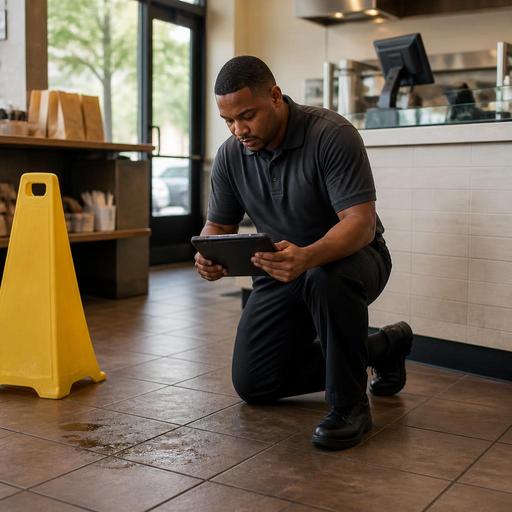
Restaurant incident logs and insurance workflows are easy to push aside when service is busy, but they matter most on the worst day of the month. A guest slips near a soda station, a delivery driver trips at the back door, a bartender cuts a hand opening a case, or a curbside pickup order leads to a parking lot complaint. For U.S. restaurant operators, the real problem is often not the incident itself. It is the missing workflow: no clear report form, no photo process, no manager follow-up, no way to match the event to camera footage, and no organized handoff to insurance, payroll, HR, or ownership.
A tight incident workflow does not replace legal, tax, labor, ADA, alcohol, or insurance advice. It gives your team a repeatable operating process so facts are captured quickly and consistently. Because requirements can vary by insurer, policy, state, city, and employment situation, operators should verify current reporting expectations with their broker, carrier, attorney, accountant, HR partner, or official guidance where needed.
Why restaurants lose time and money after ordinary incidents
Many operators think about insurance only at renewal. In practice, claims handling starts on the floor, at the host stand, in the kitchen, at the pickup shelf, and in the parking lot. If a manager writes notes on scrap paper, asks staff for texts later, and forgets to pull camera footage before it auto-deletes, the business may struggle to reconstruct what happened.
Common restaurant examples in the U.S. include a family restaurant where a server reports a guest fall after the lunch rush, a fast-casual location where a spilled drink near the self-serve station creates a slip hazard, a food truck where a generator-related issue damages nearby property, or a hotel restaurant where a banquet guest alleges lost personal property. In each case, operations break down when details are scattered across group texts, paper logs, POS notes, and memory.
The goal is not to create a dramatic investigation process for every minor issue. The goal is to capture the same core facts every time, while memories are fresh and before shifts change.
Build one incident record workflow for guests, staff, and third parties
Most restaurants need one master workflow with different paths for different incident types. That keeps training simple. A general manager should be able to tell any shift lead, “Use the incident workflow,” whether the issue involves a guest, employee, vendor, delivery app driver, or contractor.
What your report should capture right away
- Basic facts: date, time, location, store number, and who was notified.
- People involved: guest name if willingly provided, employee names, witnesses, and third parties such as delivery drivers or maintenance vendors.
- What happened: a factual description without blame, guesses, or arguments.
- Conditions: floor condition, lighting, weather, footwear if relevant, equipment status, and whether warning cones or mats were in place.
- Response taken: first aid offered, EMS called, area blocked off, spill cleaned, manager on duty, and any refund or comp decision.
- Evidence: photos, video retention request, receipts, reservation record, online order number, and POS check details when relevant.
- Follow-up owner: who will notify insurance, ownership, HR, or facilities.
Use factual language. “Guest stated she slipped near beverage station” is better than “Guest fell because floor was dangerously wet.” Staff should be trained not to argue, admit fault, speculate about injuries, or promise payment. They should focus on guest care, safety, and documentation.
Separate guest service from claim handling
A server or manager can be empathetic without turning the floor into a claims desk. In a neighborhood cafe, that may mean offering a seat, water, and help contacting family. In a sports bar, it may mean moving the guest away from a crowded walkway and preserving the area for photos. In a QSR with heavy takeout traffic, it may mean rerouting guests around the pickup shelf while the shift lead documents the scene.
Operationally, it helps to separate three actions:
- Care for people first. Address immediate safety and medical needs based on your training and emergency procedures.
- Preserve facts second. Take photos, identify witnesses, and save camera footage before it is overwritten.
- Escalate correctly. Route the report to the person responsible for insurance notice and internal review.
Connect incident records to the systems you already use
Restaurants often already have the tools they need, but not the workflow. The incident record should connect to your POS, scheduling system, camera setup, maintenance log, and daily manager checklist. That matters even more for multi-location groups where ownership needs the same report format from every store.
For example, if a guest says a hot coffee spilled because a lid was not secured at a suburban drive-thru, the incident file should be easy to connect to the POS check, order timestamp, staff on the line, and any training notes for that station. If a delivery marketplace driver claims injury in a back hallway, the operator may need to identify whether the driver was picking up a direct online order or a third-party app order, which entrance was used, and whether the route overlapped with prep or dish traffic.
Digital tools can simplify this. A restaurant platform can help standardize location data, timestamps, order references, and manager accountability. Even something as simple as attaching an incident task to a shift checklist or requiring a closing manager to confirm that video was preserved can prevent major gaps later. Restomas-style workflows are useful here because they connect front-of-house and order operations without forcing managers to chase details across multiple apps.
Do not forget parking lots, curbside, and off-premise handoffs
Many overlooked incidents happen outside the dining room. Curbside pickup, outdoor patios, food truck service windows, and hotel lobby pickup points create extra handoff risks. A curbside complaint may involve vehicle descriptions, parking space location, weather, and who carried the order out. A food truck operator may need a quick way to document generator placement, queue lines, and nearby pedestrian flow. An airport concession or stadium venue may also have landlord or venue reporting rules layered on top of the restaurant’s own process, so local contract requirements should be verified in advance.
Train managers on the first 30 minutes after an incident
The first half hour is where records either become useful or fall apart. Create a simple playbook and drill it like you would a void policy or cash-drop routine.
- Assign one lead: the manager on duty owns the report until handoff is complete.
- Pause and secure: stop traffic in the area if needed, place cones, and protect staff and guests.
- Document the scene: take wide and close photos, note conditions, and identify witnesses.
- Save digital records: flag camera footage, POS timestamps, reservation info, and online order details.
- Notify the right people: ownership, HR, facilities, or insurance contact based on your internal chain.
- Log corrective action: repair, cleanup, retraining, or temporary closure of the area.
This is especially important for employee incidents. If a line cook reports a burn, cut, or lifting injury, the business needs a consistent operational path for medical response, supervisor notes, scheduling adjustments, and insurer or workers’ compensation reporting steps as required. Because employment and injury reporting rules vary, operators should confirm current state and local obligations with qualified advisors and official sources.
Review incidents for patterns, not just paperwork
The best incident log is not just a file cabinet replacement. It is a source of operating insight. If one location keeps logging slips near the ice machine, the real fix may be mat placement, cleaning frequency, or traffic flow. If a bar sees repeated guest disputes at last call, it may need clearer service cutoffs, staffing coverage, or floor positioning. If a fast-casual brand has recurring pickup shelf confusion, the answer may be shelf layout, bag labeling, or separate lanes for delivery app drivers and in-store guests.
Set a monthly review with operations leaders. Look for repeat categories by daypart, station, job role, and store. Then connect those patterns to training, maintenance, staffing, and layout decisions. For chains subject to broader federal or local rules, such as FDA menu labeling requirements or accessibility expectations, incident trends may also reveal where guest communication or service design needs improvement. As always, use qualified legal or compliance guidance when evaluating rule-specific changes.
A practical incident workflow protects guests, staff, and the business because it turns a stressful moment into a repeatable process. If your restaurant can already route orders, manage QR menus, and track checks across shifts, it can also standardize how incidents are recorded, escalated, and reviewed. Restomas can support that kind of organized operating flow with digital tools that keep records, tasks, and service actions easier to manage.
