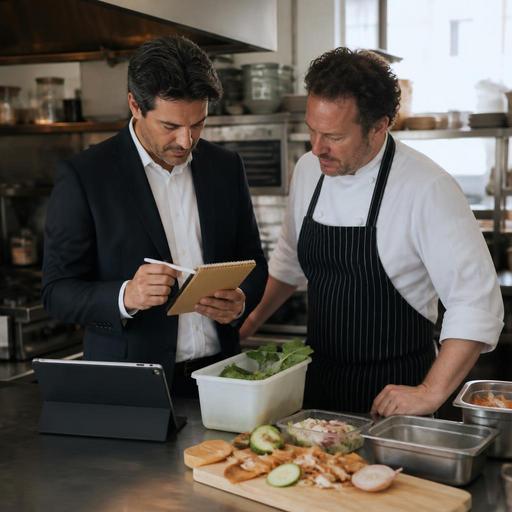
Restaurant Waste Analysis by Category: A Practical Plan to Cut Losses
Restaurant waste analysis by category gives operators a clearer way to control food cost than broad end-of-month numbers ever can. When waste is grouped into practical categories such as spoilage, overproduction, trim loss, expired stock, returned dishes, and portioning mistakes, restaurant owners can see where money is leaking and what action should happen next. Instead of saying, we have too much waste, a team can say, produce spoilage is rising because prep levels do not match weekday lunch traffic. That difference turns frustration into management action.
For independent restaurants, cafes, and multi-unit operators alike, the goal is not to eliminate all waste. Some waste is unavoidable in a real kitchen. The goal is to separate normal operational loss from preventable loss, then build routines that reduce the preventable part without hurting guest experience or slowing service.
Why category-based waste tracking works better than a single waste number
A single daily or weekly waste total is easy to record but hard to use. If a kitchen reports that it discarded ingredients worth a certain amount this week, the number alone does not explain whether the root problem came from purchasing, prep, storage, recipe execution, or ordering patterns. Category-based analysis makes the number operational.
Useful waste categories often include:
- Spoilage: ingredients that went bad before use
- Overproduction: prepared food made in excess of demand
- Trim loss: avoidable waste caused by poor cutting or inconsistent prep
- Expired stock: unopened or lightly used inventory passed its usable date
- Returned dishes: plates sent back due to quality or communication issues
- Portioning errors: servings that exceed standard recipe portions
- Order mistakes: items prepared incorrectly and remade
Each category points to a different owner or manager response. Spoilage may require better par levels or receiving discipline. Overproduction may require changes to batch cooking. Returned dishes may expose menu wording problems, not just kitchen execution. Portioning errors may be a training issue or a plating tool issue. Once categories are visible, the team stops treating every loss as the same problem.
How to build a waste analysis routine your team will actually follow
The best waste system is not the most complex one. It is the one your team can maintain during busy service weeks. Start with a simple sheet or digital log that captures four things for every waste event: item, quantity, category, and reason. If possible, add shift and station. That small detail often reveals patterns that broad daily totals hide.
Keep the recording process short
If staff must write long explanations every time they discard something, logging will collapse after two busy days. Use a short list of categories and a short list of common reasons. For example, a line cook can record: grilled chicken, 3 portions, overproduction, lunch prep too high. A barista can record: milk, 1 container, spoilage, opened too early.
Assign responsibility by station
Waste analysis works best when responsibility is close to the work. Garde manger should log produce and cold prep waste. Grill should log protein remakes and overcooked items. Front-of-house should log returned dishes with the guest-facing reason. Management can then review the full picture instead of relying on memory at the end of the week.
Review at a fixed rhythm
Do not wait until month end. A short review two or three times per week is more useful because the context is still fresh. Managers can ask practical questions: Did rain reduce patio traffic and leave too many pastries unsold? Did a weekend special create leftover garnish inventory? Did a new cook increase trim loss on fish or meat?
Turning common waste categories into practical action
The value of analysis comes from what happens next. Below are common categories and the action they should trigger.
Spoilage
Spoilage usually points to a mismatch between purchasing, storage, and sales velocity. If herbs, dairy, or seafood are frequently discarded, review order frequency before blaming staff carelessness. Smaller, more frequent purchasing may be better than larger deliveries that look efficient on paper. Also check whether slow-selling menu items require ingredients that have little cross-use elsewhere.
Example: a cafe offers one sandwich using a specialty cheese that appears in no other dish. Sales are inconsistent, and the cheese regularly expires. The action is not only to remind staff about dates. The better fix may be to remove the item, redesign it with a shared ingredient, or feature it only on high-demand days.
Overproduction
Overproduction often comes from prep habits built around fear of running out. That instinct is understandable, but it creates hidden loss. Review historical sales by daypart and day of week, then set prep guides based on actual demand patterns. Batch cooking can also reduce risk. Instead of making a full tray of rice, sauce, or roasted vegetables at once, prepare smaller batches with a defined refill trigger.
Example: a lunch-focused restaurant preps too many side salads every weekday because Monday demand once spiked during a nearby office event. Weeks later, the team is still prepping to that exception. A simple prep sheet tied to recent sales would correct the habit.
Trim loss and portion errors
These categories usually expose inconsistency. If one cook gets many more portions from the same cut of meat or block of cheese than another, the issue is not inventory alone. It is execution. Standardized recipes, visual portion references, calibrated scales, scoops, and ladles can reduce this quickly. In many kitchens, waste drops when staff no longer have to guess what a standard serving looks like.
Returned dishes and remakes
Not every returned dish is a kitchen problem. Some are menu communication problems. If guests repeatedly send back dishes because they are spicier, larger, smaller, or more ingredient-heavy than expected, the menu may be setting the wrong expectation. Clear digital menu descriptions, modifier options, and allergy notes can prevent avoidable remakes before the order reaches the kitchen.
How menu management and digital tools reduce preventable waste
Waste analysis becomes more powerful when paired with better menu management. Many losses begin long before ingredients reach the bin. They begin when a menu is too large, when low-selling items stay active too long, when modifiers are unclear, or when availability is not updated quickly enough.
A digital menu helps operators react faster. If one dessert depends on berries with unstable quality this week, it can be hidden or marked unavailable immediately. If a brunch item creates frequent confusion because guests do not understand what is included, the description can be clarified without waiting for a reprint. If a seasonal ingredient is running short, the team can steer demand toward alternatives before stockouts force rushed substitutions.
Order management also matters. When dine-in, pickup, and delivery orders are organized clearly, the risk of remakes falls. Better visibility into what was ordered, what modifiers were selected, and what has already been fired reduces waste caused by communication breakdowns. This is where restaurant platforms can support operations quietly in the background: cleaner menu updates, clearer ordering flows, and more accurate coordination between front-of-house and kitchen.
A weekly action plan for owners and managers
If you want waste analysis to lead to real improvement, use a short weekly cycle:
- Collect: log waste by item, quantity, category, and reason every shift
- Sort: group the biggest recurring issues by category, not just by ingredient
- Identify: ask whether the root cause is purchasing, prep, menu design, storage, or training
- Act: make one or two specific changes only, such as lower par levels or revise one menu item
- Review: check the next week to see whether the same pattern continues
This process keeps the team focused. Instead of launching a vague campaign to reduce waste, you solve one operational problem at a time. Over a few weeks, those small corrections can reshape purchasing discipline, prep accuracy, menu structure, and staff habits.
Restaurant waste is not just a back-of-house issue. It connects to menu strategy, guest communication, service flow, and daily management habits. When category losses are tracked clearly, owners get a practical map of where to act first. And when menu updates, order clarity, and operational visibility improve together, waste reduction becomes far more achievable. Restomas can support that process with digital menus and operational tools that make fast, accurate updates easier for restaurant teams.
