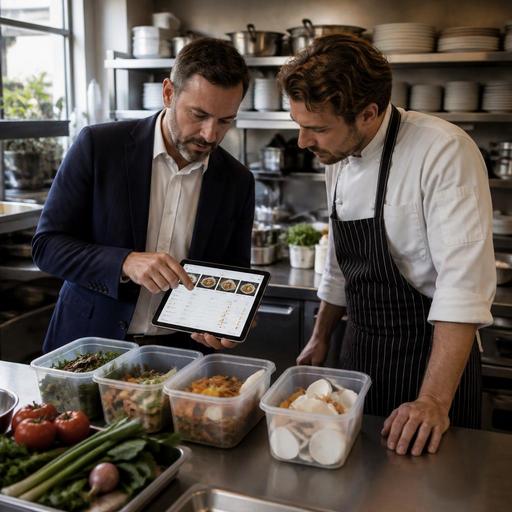
Restaurant Waste Analysis by Category: Practical Steps to Cut Losses
Restaurant waste analysis by category gives operators a clearer way to control food cost than simply looking at total waste at the end of the week. When all loss is grouped together, the real causes stay hidden. A tray of over-prepped salad greens, expired dairy, returned side dishes, and spoiled sauces do not come from the same problem, so they should not lead to the same solution. By sorting waste into practical categories and reviewing it regularly, restaurant owners can turn daily loss into better ordering, tighter prep, stronger menu design, and more consistent staff habits.
For independent restaurants, cafes, and multi-unit operators alike, the goal is not just to record what was thrown away. The goal is to understand why it happened, where it started, and what change will prevent it from happening again. That is where category-based analysis becomes useful.
Build waste categories that lead to decisions
Many teams track waste in a notebook or mention it verbally during service, but vague notes such as “vegetables wasted” or “some chicken expired” rarely help. Better categories make patterns visible. The best system is simple enough for staff to use quickly and specific enough for managers to act on.
A practical restaurant waste log can separate losses into categories like these:
- Spoilage: ingredients that expired, wilted, soured, or became unusable in storage
- Overproduction: food prepared in advance but not sold in time
- Plate waste: items guests consistently leave unfinished
- Prep waste: trim loss beyond normal levels, damaged produce, incorrect cuts, or avoidable mistakes during preparation
- Order errors: dishes remade because of kitchen mistakes, modifier confusion, or service communication problems
- Damaged stock: products lost due to broken packaging, spills, freezer burn, or storage failures
These categories work because each one points to a different operational fix. Spoilage suggests an inventory or purchasing issue. Overproduction points to poor forecasting or batch sizing. Plate waste may reveal menu design problems, oversized portions, or unpopular sides. Order errors often expose communication gaps between front of house and kitchen.
If your team uses digital order management, POS reporting, or kitchen workflows, these categories can be tied to actual menu items, dayparts, and stations. That makes the analysis much more useful than a general end-of-day estimate.
Trace losses back to the operational source
Once categories are defined, the next step is to connect each waste event to its source. This is where many restaurants stop too early. They know what was wasted, but not what caused it.
For example, imagine a casual restaurant notices repeated spoilage in avocado, herbs, and cut tomatoes. At first glance, this looks like a storage problem. But after a closer review, the real issue may be that weekday lunch demand is lower than expected while prep quantities remain based on Friday and Saturday volume. The fix is not just better storage. The fix is changing prep par levels by daypart and day of week.
Now consider another case: a cafe throws away pastries at the end of the day. That waste belongs to overproduction, but the source may differ. One location may be baking too much because production starts too early without checking pre-orders. Another may be displaying too many items in the case because the team believes a full case always sells better. Those are different problems, so they need different responses.
To make waste analysis actionable, ask the same questions every time:
- Which item was lost?
- Which category does the loss belong to?
- At what station, shift, or storage point did it happen?
- Was the cause forecasting, prep volume, storage, recipe execution, or guest behavior?
- What specific change can be tested this week?
This approach prevents waste tracking from becoming passive record-keeping. It turns it into a routine management tool.
Use menu and sales patterns to reduce repeat waste
Waste rarely exists in isolation from the menu. It is usually tied to how often items sell, how ingredients overlap, how customizable dishes are, and how clearly the menu guides guest choices.
Suppose a bistro keeps wasting a garnish-heavy side salad that comes automatically with several mains. Plate waste records show guests leave it unfinished, and order data shows many guests would prefer fries, rice, or no side at all. In that case, the problem is not kitchen discipline. It is menu structure. Offering a side choice, adjusting the salad portion, or making the side optional may reduce waste while improving guest satisfaction.
Another common example appears in large menus with low-selling items that require unique ingredients. A seafood pasta that sells occasionally may force the kitchen to stock a cream sauce component and specialty garnish that repeatedly expires. If the dish does not support profitable turnover, the menu may need simplification, ingredient cross-utilization, or a limited-availability format.
Digital menus can help here because they make updates easier. Restaurants can test wording, availability, add-ons, and item visibility without waiting for a full reprint cycle. If one item creates repeated category losses, operators can react faster by adjusting presentation, availability windows, or upsell logic.
Turn waste reviews into staff coaching, not blame
Waste analysis only works when staff record losses honestly. If the process feels punitive, the data becomes incomplete. Teams may hide mistakes, underreport spoilage, or avoid logging remakes. That leads management to make decisions from unreliable information.
The better approach is to treat waste reviews as coaching tools. Managers should focus on repeat patterns and process corrections rather than personal blame. For example, if order-error waste spikes during busy dinner hours, review whether modifiers are clearly visible, whether expo calls are consistent, and whether the handoff between front of house and kitchen is structured well enough.
Helpful coaching areas include:
- Portion control: use visual references, measured scoops, and recipe cards
- Prep discipline: prepare smaller batches more often for short shelf-life items
- Storage routines: label, rotate, and separate opened products correctly
- Ticket accuracy: confirm modifiers and allergy notes before firing orders
- Closing procedures: record unsold stock and compare it with next-day prep plans
Short pre-shift and post-shift discussions are often enough. If a station keeps producing unnecessary trim waste, show the correct prep standard. If returned dishes cluster around one menu item, review whether the description sets the right expectation. If spoilage rises after delivery days, check receiving and storage timing.
Technology can support this by creating clearer records. Digital order flows, menu updates, and item-level reporting reduce the guesswork that often surrounds waste conversations.
Create a weekly action cycle for continuous improvement
The most effective restaurants do not wait for monthly cost reviews to respond to waste. They build a weekly cycle that connects records to action. This does not need to be complicated.
A simple weekly waste review can follow this structure:
- Collect: log waste by category, item, shift, and cause throughout the week
- Review: identify the top repeat losses, not just the most visible one-off incidents
- Compare: check waste against sales mix, prep levels, and menu performance
- Decide: assign one operational change per major issue
- Test: run the change for one week, such as smaller prep batches or revised side options
- Measure: see whether the same loss appears again and refine if needed
For instance, if sauces are repeatedly discarded after service, the action may be to reduce prep volume on slower days and tie production to reservations, expected covers, or order history. If returned burgers often come back with untouched toppings, the action may be to shift some toppings to optional add-ons. If bakery items remain unsold late in the day, the action may be to adjust display quantity and promote limited remaining stock through digital channels.
The point is consistency. Category-based waste analysis works best when it becomes part of the operating rhythm, alongside purchasing, prep planning, and menu management.
Restaurants using connected digital tools can make this process easier by aligning menu availability, order data, prep decisions, and service feedback in one workflow. Platforms such as Restomas can support that visibility across digital menus, operational updates, and service processes, helping teams respond to waste patterns with clearer day-to-day actions.