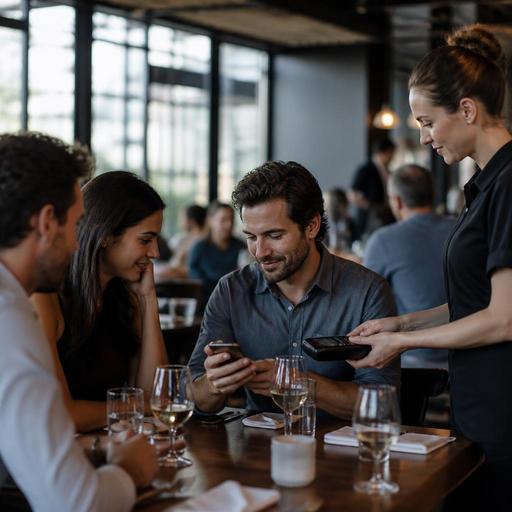
Split Check Systems for Restaurants: Faster Service for Group Tables
Split check systems for restaurants can turn one of the slowest moments in service into one of the smoothest. Group tables often create pressure at the end of the meal: guests want to pay quickly, servers need to avoid mistakes, and the front of house must keep tables turning without making anyone feel rushed. When bill splitting is handled with clear workflows and the right digital tools, restaurants can reduce confusion, speed up checkout, and improve the guest experience without adding stress for staff.
Why group payments slow down restaurant service
Large and medium-size parties are valuable, but they often create a bottleneck when the meal is over. A table of friends may order shared starters, individual mains, extra drinks, and a few last-minute add-ons. If the server has to reconstruct who ordered what from memory or from handwritten notes, checkout becomes slow and error-prone.
This delay affects more than the table itself. A long payment process can hold up the next seating, distract staff from active guests, and create tension at the point when the experience should end on a positive note. In busy lunch periods, casual dining rooms, and cafes with limited seating, even a few extra minutes per table can hurt flow.
Common issues include:
- One guest wants to pay for everyone except alcohol.
- Two couples want to split shared items evenly.
- Several guests order at different times and want separate checks.
- A server must correct payment mistakes after cards have already been processed.
These are not unusual edge cases. They are normal service scenarios, especially in urban restaurants, workday lunch spots, brunch venues, and places that attract celebrations or after-work groups.
What effective split-bill technology should actually do
Not every restaurant needs a complicated payment stack, but every restaurant that serves groups benefits from a simple, reliable way to manage shared bills. The goal is not just to divide totals. The goal is to let staff handle real dining situations quickly and accurately.
A practical split-bill setup should support several payment patterns:
- Item-based splitting so guests can pay only for what they ordered.
- Equal splitting for groups that want the total divided evenly.
- Partial host payments when one guest covers selected items or a fixed amount.
- Shared item allocation for dishes, bottles, or platters consumed by multiple guests.
- Mixed payment methods such as card, cash, and digital wallet on the same table.
For example, imagine a table of six at a modern bistro. Two guests share a bottle of wine, one guest leaves early and pays immediately, and another guest wants to cover all desserts. A strong digital workflow lets the server reassign items, split shared products, and close each payment without restarting the check. That is where technology saves time: not in theory, but in the messy reality of live service.
Restaurants should also look for systems that connect split-bill actions to the order record itself. If front-of-house staff can see items by seat, course, or guest, they can solve payment requests in seconds instead of negotiating the bill line by line at the table.
How split-bill workflows improve guest experience
Guests rarely remember the technical details of a payment system, but they always remember friction. A confusing checkout can undo an otherwise excellent meal. On the other hand, a fast and flexible payment experience signals professionalism and respect for the guest's time.
Split-bill technology improves guest experience in several practical ways:
- Less awkwardness at the table because guests can settle payment the way they prefer.
- Fewer disputes when item ownership is visible and easy to confirm.
- Faster departures for guests on lunch breaks, before events, or during busy evenings.
- More confidence because the final charge feels transparent and organized.
Consider a cafe that serves many weekday office groups. If guests know they can split by item quickly, they are more likely to choose the venue for team lunches. In a family-style restaurant, clear bill splitting helps avoid the familiar delay where one person volunteers to pay and then spends time collecting transfers from everyone else. In both cases, the restaurant benefits from smoother service and a better final impression.
There is also a subtle hospitality advantage. When staff do not appear stressed by payment complexity, they can stay warm and attentive. The checkout feels like part of service rather than an administrative interruption.
Operational steps to make split billing work on the floor
Technology alone will not fix checkout delays if the operating process is weak. Restaurant owners should pair digital tools with clear service rules and staff habits.
1. Capture orders by seat whenever possible
Seat-based ordering makes bill splitting much easier later. Even in casual venues, assigning items to guests or seat positions creates a clean record. If your POS or ordering workflow supports seat tagging, train staff to use it consistently for parties above a certain size.
2. Define a policy for shared items
Shared appetizers, pitchers, bottles, and platters cause many payment slowdowns. Decide in advance how staff should handle them. For example, allow equal division of shared items or quick reassignment across selected guests. A clear rule reduces hesitation during checkout.
3. Let guests view the order before payment
Digital menus and table-side ordering tools can help guests keep track of what has been added to the table. When guests can review items before asking for the bill, fewer corrections are needed at the end.
4. Train staff on the three most common split scenarios
Do not overwhelm servers with every possible payment case at once. Start with the most frequent situations in your restaurant:
- split equally
- split by ordered items
- one guest pays for selected categories such as drinks or desserts
Practice these until they become routine. Speed comes from repetition, not just software access.
5. Review checkout delays as an operations issue
If group tables consistently linger because of payment confusion, treat that as a measurable service bottleneck. Managers should observe where the delay happens: order entry, item assignment, payment terminal availability, or staff confidence. Fixing the exact point of friction is more effective than telling staff to simply move faster.
Where restaurant platforms fit into the process
Split billing works best when it is part of a connected digital workflow rather than a standalone payment trick. Order capture, menu structure, table management, and payment logic all affect how smoothly the bill can be closed.
For example, QR menus and digital ordering can reduce ambiguity by sending cleaner order data into the service flow. Table-based order management helps staff track add-ons and late orders without losing visibility. POS integrations matter because the split process should not force staff to duplicate work across disconnected systems. Reservation and table management tools also help teams prepare for large parties before they arrive, including planning how the table will be handled operationally.
This is where a platform approach becomes useful. When restaurants organize menus clearly, route orders accurately, and maintain consistent table records, split-bill requests become easier to handle. Restomas supports this broader digitization approach with tools for QR menus, order management, reservations, and operational visibility, helping restaurants create a smoother path from ordering to payment.
The key point is simple: faster group payments are not only about collecting money. They are about reducing friction across the whole guest journey.
How to start without overcomplicating your setup
If your restaurant struggles with slow group checkout, begin with a focused rollout. Choose one service period or one section of the dining room and test a clearer split-bill workflow there first. Watch how long payment takes, where staff hesitate, and what guests ask for most often.
A practical starting plan looks like this:
- Map your current checkout process for group tables.
- Identify the top two payment scenarios causing delays.
- Configure your system to handle those scenarios cleanly.
- Train the team with real examples from your floor.
- Review results after a week and refine the workflow.
Do not aim for perfection on day one. Aim for fewer corrections, faster table closeout, and more confident staff. Those gains are meaningful on their own.
Restaurants that make payment easier often discover wider operational benefits: better table turnover, calmer service, fewer end-of-shift billing questions, and a more polished guest experience. In a market where convenience matters, split-bill technology is not a minor feature. It is a practical service tool for modern hospitality.
If you are improving how your restaurant handles group tables, Restomas can help you connect menus, orders, and service workflows in a more organized digital setup.
