Stadium Concession Order Management for U.S. Event Venue Operators
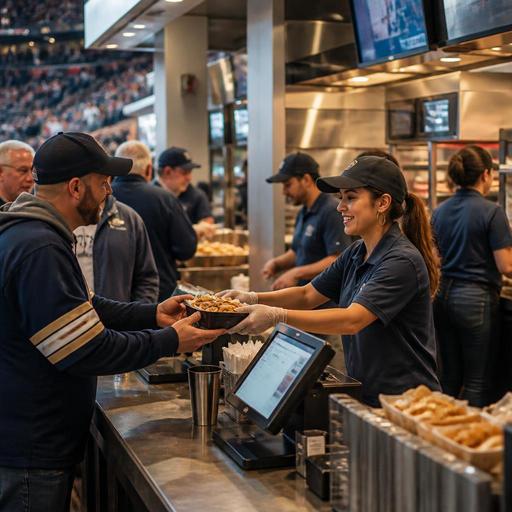
Stadium concession order management is different from running a neighborhood restaurant, even if the same food, POS hardware, and kitchen equipment are involved. In a stadium, arena, ballpark, or college sports venue, demand arrives in waves, guests expect fast pickup between innings or at halftime, and operators may be juggling permanent stands, portable carts, clubs, suites, and alcohol service points at the same time. For U.S. food-service teams, the goal is not just speed. It is routing each order to the right production point, pickup area, and staff workflow without creating long lines, missed items, or refund headaches.
A baseball stadium with hot dog stands on the concourse faces different order timing than an NFL venue where tens of thousands of fans rush at once during halftime. A college arena may rely on self-serve soda plus handheld POS tablets, while a premium suite program may need preorders, timed firing, and runner coordination. The common thread is that order management has to be designed around event surges, not around a normal lunch rush.
Map the venue by fulfillment type, not just by menu
Many venue operators begin with menu planning, but the stronger operational move is to map each sales point by how orders are fulfilled. A burger stand with a grill line has different needs than a grab-and-go cooler, a beer-only kiosk, or a mobile ordering pickup shelf near section entrances. When each stand is treated the same inside the POS or kitchen display system, routing errors and prep delays increase.
Start by grouping stands into practical U.S. venue categories:
- Made-to-order concession stands such as burgers, fries, chicken tenders, pizza slices finished to order, or specialty sandwiches
- Grab-and-go points with bottled drinks, packaged snacks, candy, or prebuilt hot items
- Alcohol service bars or beer kiosks where age-check workflow and transaction speed matter
- Premium clubs, suites, and in-seat runner service where tabs, modifiers, and timing need tighter control
- Portable carts and satellite stations for popcorn, pretzels, bottled water, or limited-menu high-volume selling
For each type, define where the order starts, where it appears, who makes it, who hands it off, and how the guest is notified. In a Major League Baseball setting, for example, a helmet nacho order placed on a mobile app should not land in the same queue as suite catering or a beer kiosk sale. Those are different workflows with different service expectations.
Build around rush windows, intermissions, and section traffic
Venue food service is all about compressed demand. In a casual restaurant, you may be able to smooth orders across an hour. In a stadium, a scoring break, halftime, or intermission can compress twenty minutes of demand into five. Operators need order throttling, prep batching, and pickup design that reflect real event timing.
A practical approach is to identify the top rush windows before the event begins. For example, a football stadium may see heavy ordering during pregame entry, end of first quarter, halftime, and early fourth quarter. A hockey arena often gets a strong push before puck drop and during intermissions. Once those patterns are clear, configure ordering rules around them.
- Limit complex modifiers during peak windows on high-volume items so the line can move faster.
- Batch production for core sellers like hot dogs, fries, tenders, and fountain drinks while keeping hold times and food quality in view.
- Use menu availability controls to pause low-capacity items when a stand is overwhelmed.
- Assign separate pickup zones for app orders, walk-up orders, and third-party delivery if the venue uses marketplace delivery for suites or nearby hotel demand.
- Stage backup stock close to the stand so staff are not leaving the front line for cups, lids, condiments, or packaged snacks.
Concrete example: at a college football venue, a chicken tender stand near the student section may need a shorter mobile menu than the same concept in a premium concourse. The high-traffic stand may focus on combo meals and bottled drinks only, while the premium location can support more modifiers and upsells. That is not a branding issue. It is order management discipline.
Set up POS, QR ordering, and kitchen display workflows to reduce handoff errors
In stadium environments, the handoff is often where service breaks down. Fans may place an order at a self-service kiosk, through QR ordering from their seat, with a cashier at the POS, or via a suite host. If those channels feed into the same operation without clean routing rules, the kitchen display system becomes noisy and guests crowd the counter asking where their food is.
Good venue setups usually separate orders by channel and promise type. A walk-up POS order should have a different fulfillment expectation than a scheduled suite order or a QR order promised for pickup at section 112. Clear screen labeling, color-coded prep queues, and pickup-ready notifications can reduce verbal confusion.
For U.S. operators, it also helps to review these practical details:
- Tip prompts should match the service model. Counter service, self-order kiosks, bars, and premium in-seat service may each require different tipping workflows and reporting practices. Operators should verify current federal, state, and local tip and payroll rules with qualified advisors.
- Sales tax and service charges should be configured correctly by stand type and service model. Premium hospitality areas may handle charges differently than walk-up concession sales, so finance and operations should confirm current requirements with tax professionals or official guidance.
- ADA-minded access matters when using QR ordering, kiosks, and pickup shelves. Keep alternate ordering paths available and make pickup instructions understandable for guests who may not use a smartphone or who need staff assistance.
- Alcohol workflows need venue-specific controls for ID checks, cutoff timing, and location restrictions. Confirm current state and local rules with official guidance.
If the venue is part of a multi-location operator or hospitality group, standard naming conventions matter too. A stand should be labeled consistently across POS, reporting, and inventory systems so managers can compare performance across multiple stadiums, arenas, or seasonal properties without manual cleanup.
Design pickup and runner systems for real concourse behavior
Fans do not behave like seated restaurant guests. They cluster near pickup counters, change direction when they hear crowd noise, and often send one person to collect food for a group. That means the physical pickup design has to support fast identification and minimal congestion.
For mobile ordering, use a pickup shelf or staffed handoff zone that is clearly separated from the cashier line. For made-to-order items, a digital ready signal is more reliable than shouting names into a loud concourse. In premium clubs or suites, runners should have a simple status flow such as accepted, in prep, ready for run, and delivered. In-seat service at a basketball arena, for example, can fail quickly if runners have no clear way to confirm seat section, row, and handoff completion.
Food trucks brought into festival-style stadium plazas need similar discipline. Even with a smaller menu, they still need order staging, pickup identification, and inventory visibility. A truck selling tacos outside a soccer stadium may move faster with QR ordering and a separate pickup side, while a dessert cart inside the venue may work best with card-present POS only and no modifiers.
Train for substitutions, outages, and end-of-event transitions
No stadium operator gets through a full season without stockouts, power or connectivity issues, sudden weather changes, or crowd-flow surprises. The difference between smooth and chaotic service is whether the team has fallback workflows ready.
Managers should train staff on what happens when:
- a fryer station goes down and items must be rerouted
- mobile ordering must be paused at one stand but stay live at another
- pickup shelves get overloaded and require staffed handoff
- an item sells out and must be removed from kiosks, QR menus, and POS screens quickly
- the event ends and operators switch from in-game pacing to exit-rush beverage and takeout demand
End-of-event planning is especially important in U.S. venues near transit hubs, parking lots, hotels, or entertainment districts. Some stands may close early to reduce waste, while others should pivot to fast grab-and-go for departing fans. Airport concessions and hotel lobby outlets connected to event traffic can use similar playbooks when demand spikes around arrivals or postgame crowds.
For larger operators, the best review happens right after the event: which stands fell behind, which items created bottlenecks, where pickup congestion formed, and whether labor scheduling matched actual demand. Any labor, break, scheduling, wage, or reporting practices should be reviewed against current federal, state, and local requirements with qualified advisors.
Stadium food-service order management works best when menus, channels, staffing, and handoff zones are all built for surge behavior rather than normal restaurant traffic. Restomas helps operators connect digital menus, QR ordering, POS flow, and kitchen visibility into one cleaner service workflow for busy U.S. venues.