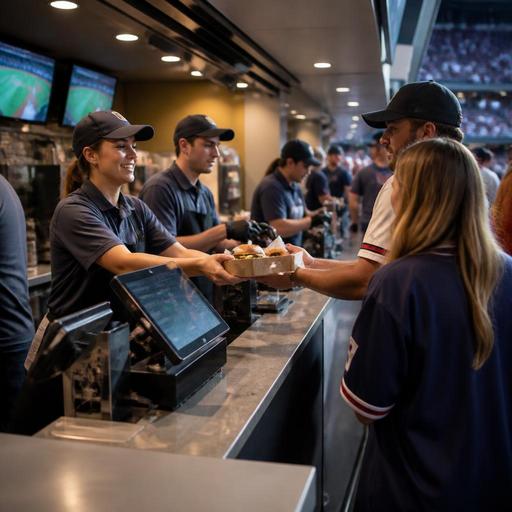
Stadium Concession Order Management for U.S. Event Venues
Stadium concession order management is different from running a neighborhood restaurant because demand arrives in waves, menus must move fast, and every delay shows up in long lines during a timeout, inning break, or halftime. For U.S. operators serving sports arenas, college stadiums, airport-adjacent event venues, and large concert facilities, the goal is simple: move more checks with fewer bottlenecks while keeping the guest experience clear, accurate, and fast.
A hot dog stand on the concourse, a beer counter near the upper bowl, and a premium club kitchen all face different operational pressures, but they share the same need for clean order routing, strong POS discipline, and better visibility across service points. Whether you manage one stand or a full venue with multiple concepts, the right workflow can reduce missed items, shorten pickup confusion, and help staff stay focused when the rush hits.
Build order flows around venue traffic, not around the menu alone
In stadium food service, traffic patterns matter as much as recipes. Guests often order in short bursts before kickoff, during intermission, or between innings. That means your order management setup should reflect where guests are standing, how they pay, and where they pick up.
For example, a burger and fries stand near a main entrance may need a simplified menu board and a fast POS flow for walk-up orders. A self-serve snack market on the club level may benefit from QR ordering tied to a pickup shelf or runner station. A bar serving canned beer, cocktails, and bottled water may need a separate tab workflow to keep alcohol service moving without slowing food production. Operators should also confirm local alcohol service rules, age-verification procedures, and service cutoff practices with venue counsel and official guidance.
Instead of letting every stand run its own improvised process, define a standard operating model for each service type:
- Walk-up concession stands: Fast cashier flow, limited modifiers, clear kitchen display routing, and visible pickup handoff.
- QR seat or section ordering: Mobile payment, section-based location prompts, and runner dispatch rules.
- Express pickup counters: Pre-batched items, labeled staging, and separate lines for order placement and pickup.
- Premium suites or club service: Higher-modifier menus, timed firing, and stronger guest location details.
When each format has its own defined flow, training gets easier and mistakes decline under pressure.
Reduce line congestion with smart POS, KDS, and pickup design
Long lines are often a layout problem disguised as a staffing problem. If cashiers are answering pickup questions, expo staff are hunting for missing checks, and cooks are waiting on unclear tickets, sales stall fast. U.S. stadium operators can improve throughput by separating ordering, production, and pickup into visible zones.
A practical example: at a baseball stadium nacho stand, the cashier takes the order, the POS sends it to a kitchen display system, and the expo stages completed trays on a numbered handoff counter. Even if your guests do not see order numbers on digital screens, staff still need a clean internal sequence to avoid shouting over the crowd. If mobile and in-person orders feed the same kitchen, mark them differently in the KDS so the line does not bury urgent walk-up tickets behind a batch of app orders.
Pickup shelves can also help in lower-theft, high-visibility areas, especially for sealed items like bottled drinks, popcorn tubs, and boxed combos. In higher-traffic concourses, a staffed pickup counter is usually safer and more accurate. Curbside pickup is less common in stadiums than in suburban restaurants, but event-day preorders for tailgate zones or adjacent lots may still need a controlled handoff process.
Operators should review payment handling too. Some venues are cashless, while others still support mixed tender. If you add service charges, automatic gratuities in premium areas, or tip prompts on tablets, make sure the guest-facing flow is clear and that accounting teams distinguish tips, service charges, and sales tax correctly in reporting. Because tax and wage treatment can vary by jurisdiction and setup, verify your current process with qualified tax and payroll advisors.
Design menus for speed during game-day rushes
In a stadium, menu engineering is operational engineering. The best-selling items should be the easiest to ring in, the fastest to assemble, and the hardest to mess up. If a chicken sandwich stand offers too many sauces, sides, and substitutions, the kitchen can stall just as the halftime rush starts.
Focus on a short event menu with strong combo logic. A concession operator in a college football stadium might sell three core baskets, two grab-and-go snacks, and a limited beverage list rather than a full casual-dining menu. A beer kiosk might separate draft pours from canned products if draft service slows the line too much. A dessert cart may only offer two SKUs during the heaviest traffic window, then expand after the peak.
Use these practical menu controls:
- Limit modifiers during peak periods so cashiers and cooks move faster.
- Batch high-volume items such as hot dogs, pretzels, fries, or pizza slices based on expected demand windows.
- Create venue-specific combos that raise average check without adding production complexity.
- 86 items instantly across ordering channels when inventory runs low.
- Separate alcohol workflows from food production when that improves speed and compliance control.
For chain operators inside stadiums, menu labeling may also require attention depending on concept size and applicable rules. If your brand operates at scale, confirm current FDA menu labeling obligations and venue-specific display practices with qualified counsel or official guidance before changing menu presentation.
Staff for surges, not averages
Traditional restaurant labor planning does not always fit event venues. In a diner or fast-casual storefront, demand may build gradually. In a stadium, thousands of guests can hit the concourse at once. That means managers should schedule for surge moments, cross-train aggressively, and keep backup roles ready.
For example, a stadium pizza concept may need one cashier, two assemblers, one oven or warming lead, and one expo before the event starts. But five minutes before halftime, that same stand may need an extra runner, a second expo, and one supervisor focused only on line control and guest questions. Hotel restaurants attached to arenas may also need separate staffing plans when in-house dining overlaps with event traffic.
Good surge staffing includes:
- Cross-trained employees who can switch between cashier, runner, expo, and stocking tasks.
- Pre-shift station maps so every worker knows where to move when the rush starts.
- Simple tip workflows for tablet prompts or premium service areas, with clear internal reporting procedures for tipped staff where applicable.
- Runner communication rules for section-based QR orders and club-level deliveries.
- Rapid restock triggers for cups, napkins, lids, packaged condiments, and grab-and-go inventory.
Labor, tip pooling, break timing, and pay practices can vary by state and city, so operators should confirm current requirements with employment counsel, payroll providers, or official labor guidance.
Standardize data across every stand and concept
Multi-location discipline matters inside one stadium just as much as across a restaurant group. If each concession stand names items differently, tracks voids differently, or closes checks differently, operators lose visibility fast. Standardized categories, modifier rules, and reporting make it easier to compare performance across a taco stand, a sports bar counter, a coffee kiosk, and a premium suite pantry.
Set a consistent structure for item names, daypart reporting, waste logs, and outage tracking. That lets management see where lines are slowing, which stands run out first, and whether mobile orders are helping or hurting throughput. It also helps when you integrate POS, kitchen display workflows, inventory visibility, and direct ordering tools into one operating picture.
Accessibility should be part of that standardization too. QR ordering, digital menus, and pickup instructions should be easy to navigate for a wide range of guests, including those who may need ADA-minded access considerations such as readable digital layouts, assisted ordering options, or clear counter communication. Accessibility expectations can depend on the venue setup and applicable rules, so review your current guest journey with qualified advisors when needed.
For stadium operators, the best order management system is not just faster technology. It is a practical service design that matches guest flow, kitchen capacity, staffing reality, and reporting discipline on event day. Restomas can support that kind of operation with digital menu, ordering, POS-connected, and kitchen workflow tools built for real restaurant service environments.