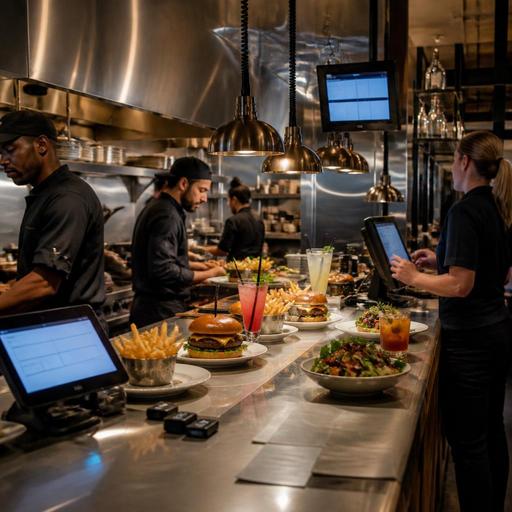
Station Routing for U.S. Restaurant Kitchens: Grill, Fry, Salad, Bar, and Expo
Station routing for U.S. restaurant kitchens is one of the fastest ways to reduce ticket confusion, shorten pickup times, and keep service consistent during lunch, dinner, game day, and late-night rushes. Whether you run a neighborhood bar and grill, a fast-casual bowl concept, a hotel restaurant, or a food truck with a limited line, routing each item to the right station matters just as much as the recipe itself. When grill, fry, salad, bar, and expo all see the right information at the right time, your team can move checks with less shouting, fewer remakes, and better guest experience.
Why station routing breaks down in real U.S. service
Many operators think of routing as a kitchen display system setup task, but the real issue is operational design. In a typical American full-service restaurant, one check may include a medium burger from grill, truffle fries from fry, a Caesar salad with dressing on the side, two draft beers from bar, and a kid's mac and cheese that needs to land at the table quickly. If all items print to one printer or appear in one undifferentiated queue, the line loses sequence and expo becomes the traffic cop for avoidable confusion.
Routing often fails for a few predictable reasons:
- Modifiers are not structured clearly, so stations miss details like no salt, sauce on side, or allergy notes.
- Items are assigned by menu category instead of production station, which sends mixed signals when menus change.
- Bar and kitchen fire timing are not coordinated, so drinks die at service bar or hot food waits in the window.
- Third-party delivery, direct online ordering, takeout, and dine-in all enter the same production flow without different pacing rules.
- Expo has no clear ownership for coursing, packaging, and final quality check.
A sports bar on a Sunday afternoon feels this immediately. Wings, burgers, fried apps, pitchers, and online takeout orders hit at once. Without routing logic, fry gets buried, grill loses hold times, and expo starts manually sorting tickets instead of finishing plates.
Build routing around production reality, not menu layout
The best routing map follows how food is actually made. Start by listing every menu item and identifying its primary production station, secondary handoff, and final assembly point. That sounds basic, but many menus drift over time. A salad with grilled chicken is not just a salad station item. A loaded fries order may need fry, cold garnish, and expo finishing. A margarita pizza in a fast-casual operation may share a make line with salads but finish in a separate oven queue.
For most U.S. operators, a practical routing framework looks like this:
- Primary station: Where the item begins production, such as grill, fry, salad, saute, pizza, or bar.
- Modifier visibility: Which notes must appear prominently for that station, such as temperature, side choice, dressing, or no bun.
- Assembly ownership: Who adds final garnishes, containers, lids, condiments, or side sauces.
- Expo checkpoint: Who confirms the full check is complete before dine-in handoff, pickup shelf placement, curbside run, or delivery driver release.
Think in terms of station-specific language. Grill needs temps and protein swaps. Fry needs drop timing and crispness notes. Salad needs add-ons and dressing instructions. Bar needs drink type, ice, garnish, and whether the beverage is for dine-in, takeout, or delivery where local rules permit. Expo needs the whole picture.
For chains and multi-location groups, standard naming matters. If one store routes "side Caesar" to salad and another routes it to pantry or cold line, training and reporting become messy. Align item names, modifier groups, and station ownership across locations wherever possible.
How to route grill, fry, salad, bar, and expo without creating bottlenecks
Grill
Send only the information grill needs to cook accurately and on time: item name, temperature, protein add-ons, bun or bread choice if relevant, and any hold or allergy-related note that changes production. Avoid clutter. Grill should not be scanning through beverage notes or unrelated packaging instructions.
Example: In a suburban diner, a patty melt, a medium sirloin, and grilled chicken for two Cobb salads should appear in a sequence that supports firing and hold times. If the salads are waiting on the chicken, that dependency should be visible to expo or the cold station.
Fry
Fry often becomes the hidden bottleneck because so many menus depend on it: fries, tenders, calamari, wings, chips, and fried sides. Separate high-volume fry items from low-frequency specialty items when possible. Consider whether some items should be held for a coordinated fire so they do not die in the window.
In a QSR or fast-casual concept, this is especially important for takeout and delivery. Fries sitting while burgers are still on grill hurt guest satisfaction quickly. Use routing and timing rules so fry drops happen closer to final assembly.
Salad or cold station
Cold stations need clean modifier structure more than almost any other area. Dressing on the side, no croutons, extra avocado, protein add-ons, and allergy-sensitive changes must be easy to read. If your digital ordering channels let guests stack too many free-form notes, salad station errors rise fast.
A downtown lunch cafe might route wraps, grain bowls, and salads through one cold line. In that case, balance volume by separating prep-heavy items from quick assemblies and letting expo see which checks are waiting on hot protein.
Bar
Bar routing is often ignored in kitchen discussions, but beverage timing affects the whole table. For full-service restaurants, service bar should receive drink orders in a way that matches coursing and seating flow. For takeout and pickup, clarify which drinks can be prepared immediately and which should wait until the guest arrives. For alcohol service, packaging, timing, and handoff rules vary by jurisdiction, so operators should verify current state and local requirements with official guidance and qualified advisors.
A hotel restaurant may also need different routing for lobby bar tabs, room service, and dining room checks. Those channels should not compete in one undifferentiated queue if service standards differ.
Expo
Expo is where routing either proves itself or falls apart. Expo should not be re-reading the whole check to figure out which station missed what. Instead, expo should confirm readiness, plate or bag the order, check modifiers, and release the order to server, pickup shelf, curbside runner, or delivery driver.
For off-premise orders, expo also needs packaging logic: sealed sauces, labeled containers, utensil rules, and drink placement. If you use service charges, tips, or different payment flows for dine-in versus online ordering, keep those front-of-house workflows clear in the POS, but do not let them clutter kitchen production screens. Operators should verify current tax, reporting, and local payment requirements with their accountants, payroll partners, or official guidance.
Practical setup steps for owners and kitchen managers
- Audit your top 50 items: Mark each item by primary station, secondary station, and expo finish point.
- Clean up modifier groups: Replace vague notes with structured choices whenever possible.
- Create channel rules: Dine-in, direct online ordering, delivery apps, and phone takeout may need different pacing.
- Test complete checks: Route sample orders with appetizers, entrees, kids' items, drinks, and desserts to see where confusion appears.
- Watch the window during peak hour: If expo constantly calls back to one station, you have a routing or capacity problem.
- Standardize across locations: Franchise and multi-unit teams should document routing logic so menu updates do not break production.
- Train servers and cashiers: Clean order entry matters. A great line cannot fix inconsistent POS input.
Also consider guest access needs when designing digital ordering and QR ordering flows. If a guest uses a phone at the table or places a pickup order online, menu structure and modifier clarity should support easy navigation. Accessibility expectations can vary by context, so review your setup with current official guidance and qualified advisors where needed.
Where digital tools help without overcomplicating the line
The goal is not more screens. The goal is better visibility. A solid setup connects POS order entry, kitchen display routing, and expo workflows so each station sees only what it needs, while managers can still track ticket times and bottlenecks. That matters in a food truck with one fryer and one flat top, in an airport concession handling rushes between boarding waves, and in a multi-location fast-casual brand trying to keep production standards consistent.
When routing is well designed, servers spend less time chasing missing sides, bartenders are not surprised by drink floods, and kitchen managers can spot whether the issue is staffing, menu design, or station setup. Labor scheduling becomes easier too, because you can see which stations truly drive peak-hour pressure instead of guessing from sales alone.
Restomas helps operators connect digital menus, ordering, POS workflows, and kitchen routing so grill, fry, salad, bar, and expo can work from the same operational logic.
