Sustainable Restaurant Operations in the U.S.: Waste, Sourcing, and Digital Menu Workflows
Sustainable restaurant operations in the U.S. are not just about swapping straws or adding one local farm special to the menu. For most operators, sustainability becomes real when it is built into daily workflows: how prep is planned, how waste is tracked, how vendors are chosen, and how digital menus help teams sell what is actually available. Whether you run a neighborhood diner, a fast-casual salad concept, a food truck, a hotel restaurant, or a multi-unit QSR brand, the operational goal is the same: reduce waste, protect margins, and make it easier for guests to order confidently.
In practice, that means connecting back-of-house decisions to front-of-house execution. A café with QR ordering can steer guests toward in-stock bakery items before the lunch rush. A burger chain can update modifiers across locations when a supplier pack changes. A sports bar can use its POS and kitchen display system to spot recurring remakes on high-waste items. Sustainability works best when it is measurable, repeatable, and visible to the team.
Start with waste categories your team can actually act on
Many restaurants talk about food waste in broad terms, but operators need categories that lead to action. If your line cooks, prep team, servers, and managers cannot tell the difference between trim loss, spoilage, overproduction, and remakes, waste logs become paperwork instead of a decision tool.
A practical U.S. workflow is to sort waste into a few operational buckets:
- Prep waste: vegetable trim, protein trimming, overportioned batch prep
- Spoilage: dairy past date, produce breakdown, stale bread, expired grab-and-go items
- Overproduction: extra rice, soup, fries, or sauce made for a rush that never came
- Remakes and returns: wrong side, incorrect modifier, undercooked steak, missing allergy note
- Plate waste: menu items guests consistently leave unfinished
For example, a suburban brunch restaurant may find that avocado toast has low plate waste but high spoilage because avocados are ripening too fast. A campus-area fast-casual bowl shop may discover that remakes are driven by unclear modifier choices on online orders. A hotel breakfast outlet may see overproduction on buffet backup items because forecasting is based on habit rather than occupancy and event schedules.
Once categories are clear, assign one short logging habit per shift. Keep it simple: item, reason, quantity, and whether the cause came from prep, ordering, or service. Then review the log in the weekly manager meeting alongside sales mix, voids, and ticket-time notes. This is where sustainability becomes operational instead of aspirational.
Use sourcing standards that work in real U.S. restaurant purchasing
Sourcing sustainably does not require every ingredient to come from a tiny local farm. In U.S. restaurant operations, the better question is: which purchasing standards help your concept stay consistent while reducing waste, delivery risk, and unnecessary menu complexity?
For many operators, the most useful sourcing workflow includes:
- Define priority categories. Focus first on high-volume or high-volatility items such as chicken, fryer oil, greens, dairy, coffee, seafood, or packaging.
- Compare vendors on consistency, pack size, shelf life, and substitution communication. Cheapest case cost is not always the best operational cost.
- Limit one-off ingredients. If one sauce or garnish appears in only one low-selling dish, it often creates spoilage.
- Build approved substitutions. Train managers on what can be swapped without hurting guest trust or kitchen flow.
- Document sourcing claims carefully. If you describe products as local, organic, or sustainable, make sure your team can support those claims with current vendor information and verify applicable advertising or labeling expectations with qualified advisors when needed.
A food truck in Austin might simplify purchasing by using one slaw mix across tacos, sandwiches, and sides instead of stocking separate cabbage blends. A three-unit pizza group in New Jersey may switch to fewer box sizes and compostable serviceware only where vendor supply is stable and cost fits the concept. A seafood restaurant in Florida may keep a rotating catch section on its digital menu instead of printing fixed species claims that become inaccurate when deliveries change.
Good sourcing also supports labor. If an ingredient arrives pre-cut with reliable quality and lower trim loss, it may reduce prep hours and inconsistency. Operators should evaluate that tradeoff against food cost, scheduling, and menu price positioning.
Make digital menus part of your sustainability workflow
Digital menus are often discussed as a guest convenience, but they also help restaurants reduce waste and menu-related friction. The key is to treat the menu as a live operations tool, not a static design file.
In a U.S. restaurant setting, digital menus can support sustainability in several ways:
- 86 items quickly: remove sold-out pastries, sides, or proteins before staff keeps apologizing and guests order unavailable items
- Promote at-risk inventory: feature tomato soup during a cold snap or push a turkey club when sliced turkey is heavy
- Clarify modifiers: reduce remakes by making add-ons, side choices, and allergy-related notes easier to understand
- Support daypart changes: shift from lunch to happy hour to late-night menus without reprinting paper inserts
- Improve multi-location consistency: keep core descriptions aligned while allowing store-level availability
For example, a downtown fast-casual restaurant with a pickup shelf can use QR ordering and direct online ordering to highlight items that travel well, reducing refund-prone dishes on delivery apps. A full-service bistro can update its dessert list as counts change during service instead of having servers verbally walk back guest choices. A regional chain can standardize allergen and ingredient notes across units while still adjusting for local supply constraints.
Operators should also think about access. If you use QR menus, keep ADA-minded access in mind by offering readable design, clear contrast, and an easy path to a staff-assisted or alternative format experience. Accessibility expectations can vary by context, so verify current requirements with qualified advisors and official guidance when needed.
Train the team around waste, not just the manager report
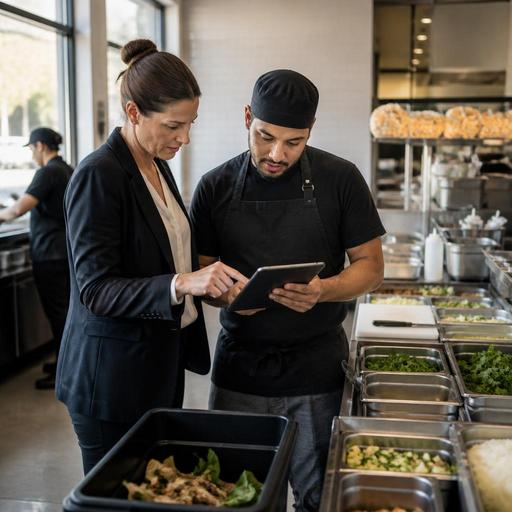
Sustainability workflows fail when only one GM sees the numbers. The line, prep crew, cashiers, servers, and shift leads all influence waste every day. Training should connect the issue to tasks they already own.
What that looks like on the floor
- Prep cooks: use par sheets tied to actual sales patterns, not guesswork
- Line cooks: follow portion tools and plating standards to reduce overuse
- Cashiers and counter staff: confirm modifiers clearly on takeout and kiosk or tablet orders
- Servers: guide guests toward sides, portion sizes, and substitutions that fit the menu and reduce returns
- Shift managers: review remakes, comps, and 86s before close
A family diner can coach servers to ask whether a guest wants toast or biscuits before firing a breakfast plate, cutting avoidable remakes. An airport concession can tighten batch cooking windows because traffic spikes are uneven and holding too much hot food creates waste. A bar with a late-night menu can use POS reporting to identify garnishes and draft lines that need tighter prep controls after midnight.
If your operation includes tipped staff, service charges, or pooled tips, keep sustainability incentives separate from any payroll or tip-handling assumptions unless reviewed by qualified payroll, legal, or tax advisors. The same goes for sales tax treatment on bundled items, deposits, or fees tied to takeout packaging. The operational point is simple: align incentives carefully and verify local rules before changing workflows.
Build a 30-day sustainability workflow you can keep
The best sustainability plan is one your restaurant will still follow during a slammed Friday night. Start small and build routines that fit your concept.
- Choose five waste-tracked items based on volume or cost.
- Audit one week of remakes and 86s from your POS and kitchen display workflow.
- Remove or rewrite two confusing digital menu modifiers that cause order errors.
- Review one vendor category for pack size, shelf life, and substitution reliability.
- Create one daily manager check for at-risk inventory and one digital menu promotion tied to it.
- Share one result with the team weekly so staff sees what changed.
This approach works across formats. A food truck can track tortilla waste and sold-out proteins. A hotel restaurant can connect banquet overage to next-day outlet features where food safety and quality standards allow, based on internal procedures and official guidance. A five-store salad brand can use centralized menu control to pause ingredients location by location instead of disappointing guests at the register.
Sustainability in U.S. restaurants is ultimately a systems question. When sourcing, menus, ordering, and kitchen execution are connected, operators can cut waste without making the guest experience feel limited. Restomas supports that kind of day-to-day menu and ordering coordination for restaurants that want a more disciplined digital workflow.
