Weekend Waitlist Communication Tips for Busy U.S. Restaurants
Why weekend waitlist communication matters
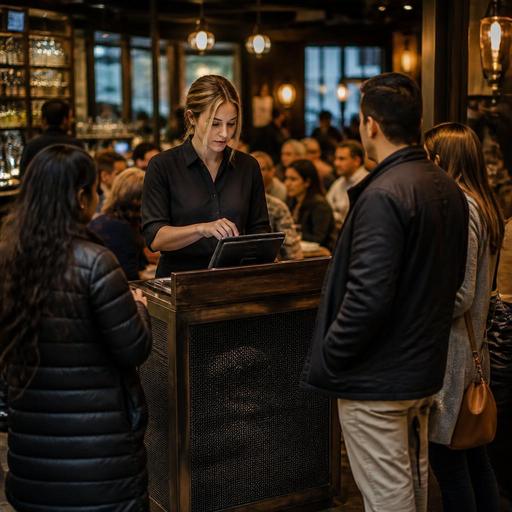
Weekend waitlist communication for busy U.S. restaurants can shape the whole guest experience before a server ever greets the table. On a packed Friday night, guests are already making decisions fast: stay for a 35-minute wait, order drinks at the bar, switch to takeout, or leave for the restaurant down the block. If your host stand gives vague estimates, misses text updates, or fails to explain how the list works, the dining room feels disorganized even when the kitchen is performing well.
In U.S. operations, this matters across formats. A neighborhood Italian restaurant may be juggling reservations, walk-ins, and bar seating. A fast-casual concept with limited indoor seating may need to direct guests toward pickup shelves and curbside pickup instead of a traditional waitlist. A hotel restaurant may need to balance lobby traffic, room-service timing, and local guests arriving all at once. Clear communication helps protect table turns, reduce front-door stress, and keep guests from abandoning their place in line.
The goal is not just speed. It is predictability. Guests can tolerate a real wait better than a confusing one.
Build a waitlist workflow your host team can actually use
The best waitlist system is the one your team can execute during a rush. Many restaurants create problems by overcomplicating the host script or using separate tools for reservations, texts, and floor status. During peak weekend service, hosts need one clear workflow tied closely to the POS, table map, or reservation screen when possible.
Start with a simple host sequence
- Greet the party and confirm party size.
- Give a realistic quoted wait range, not an overly optimistic number.
- Collect the guest name and mobile number carefully.
- Explain how updates will be sent and how long the table will be held once ready.
- Offer alternatives when appropriate, such as bar seating, patio seating, takeout, or curbside pickup.
For example, a Chicago brunch spot might tell a party of four, “We are quoting 25 to 35 minutes right now. We will text you when your table is close and again when it is ready. If you prefer, two seats are open at the counter now.” That gives the guest choices and reduces repeated check-ins at the host stand.
Hosts should also know when not to add friction. If your team asks too many questions at the door during a rush, the line backs up onto the sidewalk. Keep the first interaction short, then log details that matter operationally, such as high chair needs, accessibility needs, indoor versus patio preference, or whether the party is joining another reservation. For ADA-minded access, make sure staff know how to note seating needs respectfully and practically. Operators should verify current local accessibility expectations and official guidance for their layout and service model.
Set guest expectations before frustration starts
Most waitlist problems are expectation problems. Guests get upset when the quoted wait feels random, when later parties are seated first without explanation, or when there is no update for 20 minutes. A strong communication system prevents that.
Use time ranges, not exact promises
Do not quote a 20-minute wait if your actual range is 20 to 35 minutes depending on check payment, bussing speed, and kitchen pacing. In many U.S. full-service restaurants, table turns slow down when guests linger over dessert, split checks, or wait on card processing. A range gives your host team room to stay credible.
Explain why seating order may vary
Not every next party can take every next table. A two-top cannot always fill a six-top, and a booth request may take longer than standard seating. Train hosts to explain this calmly. For instance: “We are seating the next available table by party size and section availability, so some smaller groups may be seated before larger parties.”
Send updates that reduce uncertainty
Text updates work well when they are timed around actual service flow. Useful updates include:
- Confirmation that the party is on the list
- A mid-wait update if timing changes materially
- A heads-up that the table is almost ready
- A final ready message with clear instructions
A Dallas steakhouse, for example, might text: “You are checked in for 3 guests. Current estimate: 30 to 40 minutes.” Then later: “Your table is expected soon. Please return to the host stand within 10 minutes.” This is much better than a single message that leaves guests guessing while they browse nearby shops or wait at the bar.
Coordinate the host stand with the floor, bar, and kitchen
Waitlist communication breaks down when the host stand is isolated from the rest of the operation. The host should not be guessing whether a table is actually about to open. Accurate updates depend on live signals from servers, bussers, bartenders, and the kitchen display system when relevant.
Use table-status discipline
If servers are slow to mark checks closed or bussers are not updating table readiness, the host quote becomes fiction. Build a simple standard for what each table status means: seated, entrees down, dessert, check dropped, paid, needs bussing, ready. Whether this happens in a reservation platform, POS-linked floor plan, or manual host screen, consistency matters more than complexity.
This is especially important in large U.S. venues. An airport concession may see sudden surges tied to boarding windows. A sports bar near a stadium may get slammed before kickoff and again at halftime. A suburban family restaurant may experience a wave of six-top and eight-top parties right after youth sports end. In each case, the host team needs real-time floor visibility to avoid overpromising.
Give the bar and takeout team a role
Some guests will stay if they can start a tab at the bar. Others will convert to takeout if the wait is too long. Make those paths intentional. If your POS stack supports it, the host can direct guests to open a bar tab, place a direct online ordering request, or shift to takeout without losing the sale entirely. For a busy burger restaurant, that might mean quoting a 45-minute dining room wait while offering a 15-minute takeout option from the same kitchen.
If you add service charges, automatic gratuity policies, or different checkout flows between dine-in and takeout, make sure staff communicate those clearly and consistently. Operators should verify current state and local rules, payment disclosures, and tipping practices with qualified advisors or official guidance.
Measure the weak spots after the rush
Weekend waitlist communication improves fastest when operators review a few practical points after service. You do not need a formal consulting project to find the issue. Usually, the answer is in a handful of repeated breakdowns.
- Were quoted waits consistently too short or too long?
- How many parties left before being seated?
- How often did guests return late because the ready message was unclear?
- Did hosts have to leave their station to chase table status?
- Were large-party quotes handled differently from two-tops?
- Did the team convert some waiting guests to bar sales, takeout, or direct online orders?
A practical example: a Phoenix Mexican restaurant might discover that 7:00 to 8:30 p.m. waits are accurate for patio tables but consistently wrong for indoor booths. That insight can lead to better quoting by seating zone, not just by total covers. A food hall vendor may learn that texting guests to stand near the pickup shelf causes crowding, while asking them to wait outside until a second message improves flow. A multi-location group may find one store keeps guests better informed because the host script is standardized and tied to actual table status.
For chains and larger operators, this kind of review also helps support broader consistency goals. If your brand handles menu labeling, mobile payments, or guest messaging across locations, make sure waitlist communication follows the same operational playbook. Where federal, state, or local rules affect accessibility, labor scheduling, alcohol service, or consumer disclosures, confirm current requirements with official sources and qualified advisors rather than relying on old habits.
Strong weekend waitlist communication is not about sending more messages. It is about sending the right message at the right moment, backed by a host workflow your team can trust. Restomas helps restaurants connect waitlist, reservations, QR ordering, POS-linked workflows, and guest communication in one smoother operating rhythm.
