What Is a QR Menu? 5 Benefits for Your Restaurant
What Is a QR Menu?
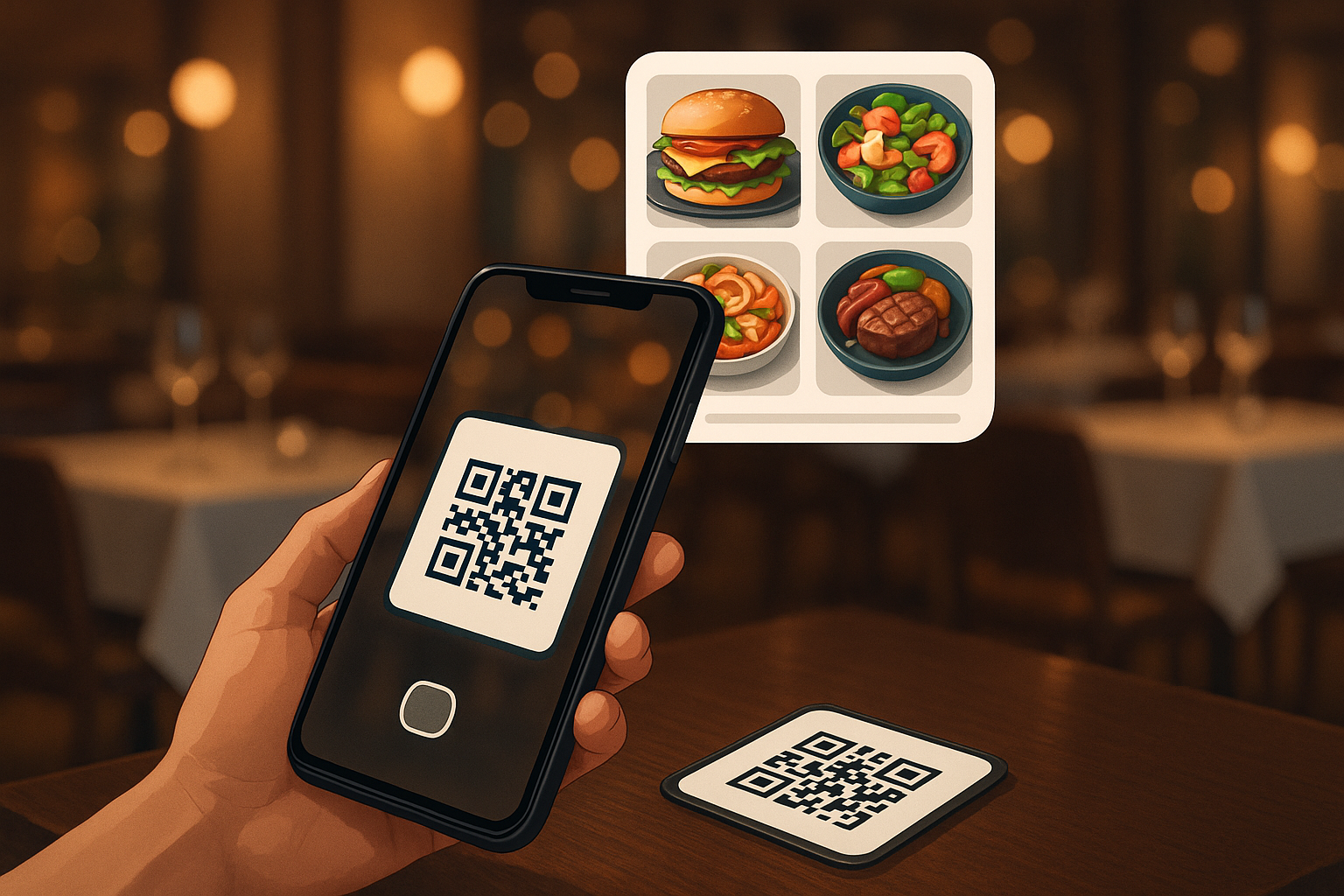
A QR menu is a digital menu system that enables customers to view the restaurant menu on their own smartphones by scanning QR codes placed on tables. When a customer scans the QR code with their phone camera, the restaurant's menu automatically opens on their screen. This system replaces traditional paper menus and offers restaurants numerous advantages.
QR menu technology is based on a simple principle: a unique QR code is generated for each table, this code redirects to a web address, and the customer can view the menu without downloading any application. Modern QR menu systems go beyond simply displaying a product list — they offer rich content including product images, detailed descriptions, calorie information, allergen warnings, and even customer reviews.
How a QR Menu Works
A QR menu system consists of three core components:
- Management Panel: The restaurant owner or manager controls products, prices, images, and categories through this panel
- QR Code: A unique QR code is generated for each table or branch and physically placed on the table
- Customer Interface: The mobile-friendly menu page that opens on the customer's phone after scanning the QR code
The harmonious operation of these three components ensures a seamless customer experience. A well-designed QR menu system reduces the time from scanning the QR code to viewing the menu to just 2-3 seconds.
Benefit 1: Significant Cost Savings
Paper menu printing is a serious cost item, especially for restaurants that frequently update their prices. An average restaurant updates its menu at least 3-4 times per year. When design, printing, and lamination costs are considered for each update, the annual menu expenditure can reach thousands of dollars.
With a QR menu, this entire cost is eliminated. When you want to change a price, you simply update it through the panel and the change instantly reflects across all tables. Consider a restaurant chain: 10 branches, 20 tables per branch, 2 menus per table — that is 400 menus in total. Instead of reprinting them 4 times a year, you can update all branches with a single click.
Benefit 2: Hygiene and Safety
Paper menus are surfaces that pass through dozens of different customers' hands and are difficult to clean. QR menus solve this problem at its root because customers use their own personal devices. Particularly in the post-pandemic era, customers with heightened hygiene awareness prefer contactless solutions.
Health authorities increasingly encourage the use of digital menus in restaurant hygiene guidelines. Customer surveys show that 72 percent of consumers find digital menus more hygienic and prefer them over traditional alternatives.
Benefit 3: Increased Service Speed
In the traditional system, the customer sits down, the waiter brings the menu, the customer browses, the waiter returns, and the order is taken. This process takes an average of 8-12 minutes. With a QR menu, the customer can start browsing the menu the moment they sit down. If order automation is also in place, they can place their order without waiting for a waiter.
This speed increase makes a significant difference, especially during peak hours. Table turnover rate increases, customer wait time decreases, and overall customer satisfaction rises. Research shows that restaurants using QR menus increase their table turnover rate by an average of 25 percent.
Benefit 4: Unlimited Flexibility
One of the greatest advantages of a QR menu is its flexibility. You can make any change you want, instantly:
- Add or remove the daily special menu
- Instantly remove sold-out items from the menu
- Easily add seasonal products
- Define different menus for different times of day (breakfast, lunch, dinner)
- Instantly reflect promotions and discounts
- Offer the menu in multiple languages
This flexibility is vitally important, especially for restaurants in tourist areas. Being able to offer the same menu in English, German, Arabic, and other languages expands your customer base and provides international guests with a professional experience.
Benefit 5: Rich Customer Experience
A digital menu offers an experience far beyond what a paper menu can provide. High-quality photos, detailed descriptions, and nutritional information can be added for each product. Customers can see a dish's ingredients, portion size, and preparation time.
Additionally, digital menus can offer these features:
- Product search and filtering (vegetarian, vegan, gluten-free, etc.)
- Highlighting popular items
- Product recommendations and cross-selling opportunities
- Customer reviews and ratings
- Calorie calculation tools
How Easy Is It to Switch to a QR Menu?
Switching to a QR menu is much simpler than you might think. After choosing the right platform, all you need to do is enter your products into the system and place QR codes on your tables. Most platforms offer ready-made menu templates, so you do not need to worry about design. An average restaurant can set up and start using a QR menu system within a single day.
The key is to choose a system that is easy to use for both your customers and your staff. An ideal QR menu system should not require any app download, should load quickly, and should work seamlessly across all phone models. The management panel should also be intuitive enough to use without technical expertise.
Conclusion
A QR menu is the most accessible and fastest-returning step toward digitalization in the restaurant industry. With tangible benefits such as cost savings, hygiene, speed, flexibility, and a rich customer experience, QR menus have become an indispensable tool for restaurants of all sizes. If you have not yet made the switch to a QR menu, 2026 is the perfect time to take this step.