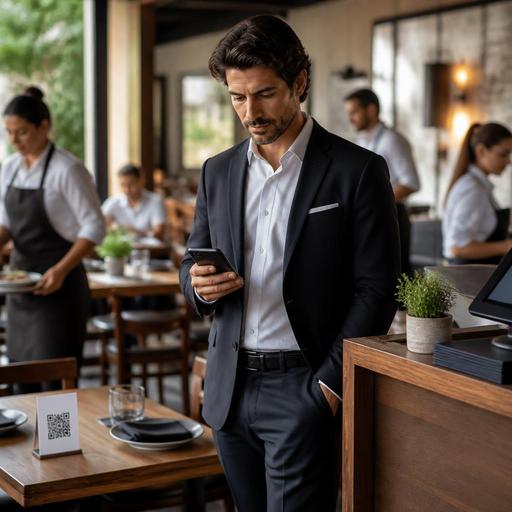
WhatsApp Marketing for Restaurants: Consent, Timing, and Real Guest Value
WhatsApp marketing for restaurants can be highly effective when it feels like hospitality rather than interruption. Guests already use messaging apps for everyday coordination, so the channel can support reservations, menu questions, waitlist updates, private event inquiries, and thoughtful follow-up offers. The difference between useful communication and spam comes down to permission, relevance, timing, and operational discipline. Restaurants that treat WhatsApp as a service channel first, and a promotion channel second, usually build stronger trust and better long-term engagement.
Why permission matters more than reach
Restaurant owners are often tempted to collect as many phone numbers as possible and start broadcasting promotions. That approach creates friction fast. A guest who gave a phone number for a delivery update or reservation confirmation did not automatically agree to receive weekly marketing messages. Ethical WhatsApp use starts with a simple principle: ask clearly, explain what guests will receive, and make it easy to decline.
Permission should be specific. For example, a guest may be happy to receive:
- Reservation reminders and changes
- Waitlist updates
- Private dining follow-up
- Event announcements for wine tastings, brunches, or live music
- Occasional offers related to their preferences
These are not all the same. If someone signs up for booking updates, do not assume they want promotional campaigns. The cleanest practice is to separate operational communication from marketing consent. A short opt-in line at checkout, on a reservation form, or inside a digital menu landing page can work well when the wording is plain and honest.
Good consent language is direct. For example: Would you like occasional WhatsApp updates about seasonal menus, event nights, and booking priority? This is far better than vague wording that hides the marketing purpose. It also sets expectations, which reduces future complaints and unsubscribes.
What restaurants should actually send on WhatsApp
Many restaurants fail on WhatsApp not because they use the channel, but because they send low-value messages. A generic discount blast is easy to ignore. A useful, timely message tied to a guest need is much more effective. The best WhatsApp content usually helps a guest make a decision, complete an action, or feel recognized.
High-value message types
- Reservation support: confirmation, reminder, late arrival guidance, and easy modification links
- Waitlist communication: live queue updates so guests can plan their time
- Menu discovery: a direct link to a current QR menu before arrival, especially for guests asking about allergens, vegetarian choices, or seasonal specials
- Event invitations: targeted messages for chef tables, tasting menus, holiday brunches, or match-day offers
- Post-visit follow-up: a thank-you message with an invitation to rebook or review, if the guest opted in
- Service recovery: a personal apology and solution after an issue, handled carefully and privately
Consider a practical example. A neighborhood cafe runs a monthly coffee workshop. Instead of sending the same message to every past guest, it sends a WhatsApp invitation only to people who opted in for events or specialty coffee updates. The message includes the date, time, limited seats, and a booking link. This is relevant, easy to act on, and consistent with what the guest agreed to receive.
Another example is a family restaurant managing busy weekends. A guest asks whether there are gluten-free options before booking. The team replies with a direct menu link showing labeled items. Later, if the guest opts in, the restaurant can send a message when a new seasonal gluten-free dessert is added. That feels personal because it is based on a real interest, not a random promotion.
Timing, frequency, and tone: the details guests notice
Even a good message can feel intrusive if it arrives at the wrong time or too often. Restaurants should think like hosts. A host would not walk to every table three times in ten minutes with the same offer. Messaging should follow the same logic.
Frequency should stay modest. If there is no real reason to message, do not send one. Most restaurants benefit more from fewer, better communications than from constant outreach. Messages should also match the guest journey. Reservation reminders belong before the visit. Feedback requests belong after the visit. Event messages belong far enough in advance for planning.
Tone matters just as much. Write like a professional human, not like a loud ad. Avoid all caps, excessive emojis, and fake urgency. Keep messages short, clear, and useful. Include one action only when possible, such as booking a table, viewing the menu, or replying with a question.
- State who you are immediately.
- Reference the reason for the message.
- Offer one clear next step.
- Make opting out easy and respectful.
For instance: Hello from Cedar Bistro. You asked to hear about our seasonal tasting nights. We have a chef's table this Friday with limited seating. Would you like the booking link? This is better than a broad promotional paragraph with too many details and no clear relevance.
Operational workflows that keep WhatsApp useful
WhatsApp marketing becomes risky when there is no internal process behind it. Staff need to know who can message guests, what types of messages are approved, how opt-ins are stored, and how replies are handled. Without structure, a good channel can create confusion, duplicate messages, and inconsistent guest experiences.
Restaurants should define a lightweight workflow:
- Choose where consent is collected: reservations, website forms, QR menus, in-store Wi-Fi pages, or event sign-ups
- Tag guest interests when possible: brunch, events, vegan menu, private dining, catering, or loyalty offers
- Separate service messages from promotional messages
- Assign responsibility for response times and escalation
- Review message templates regularly so they stay accurate and on-brand
This is where restaurant digitization helps. If your menu, reservations, and guest communication are disconnected, staff waste time searching for information and guests receive slower answers. A digital menu system can make it easier to share the current menu instantly. Reservation tools can support timely reminders and booking context. A centralized setup also reduces the chance that outdated offers or unavailable items are promoted by mistake.
For managers, the key is not automation for its own sake. The goal is consistent hospitality at scale. Automation should handle routine updates, while staff step in for nuanced conversations such as allergies, large-group planning, or complaint recovery.
Ethical boundaries and practical mistakes to avoid
Restaurants do not need complicated theory to use WhatsApp ethically. They need a few firm boundaries and the discipline to respect them. Guests notice when businesses are careless with personal contact information, and trust is hard to rebuild once lost.
Common mistakes
- Adding guests to marketing lists without clear permission
- Sending promotions too frequently
- Using the same message for every guest segment
- Promoting items that are sold out or no longer available
- Ignoring replies or taking too long to respond
- Making opt-out difficult or awkward
A better standard is simple: every message should answer one question from the guest perspective: Why am I receiving this, and is it useful to me right now? If the answer is weak, do not send it.
Restaurants should also remember that not every audience wants the same relationship. A quick-service lunch spot may use WhatsApp mostly for catering inquiries and pickup coordination. A fine dining venue may focus more on reservation support, tasting events, and concierge-style communication. A cafe may use it for preorder reminders, bean subscription updates, or workshop invitations. The channel should fit the concept, not the other way around.
Used responsibly, WhatsApp can strengthen guest experience, support operational efficiency, and create more meaningful repeat visits. It works best when restaurants earn attention instead of demanding it, and when every message reflects the same care guests expect in the dining room. If your restaurant is building a more connected digital guest journey, Restomas can help bring menus, reservations, and service communication into one practical workflow.
