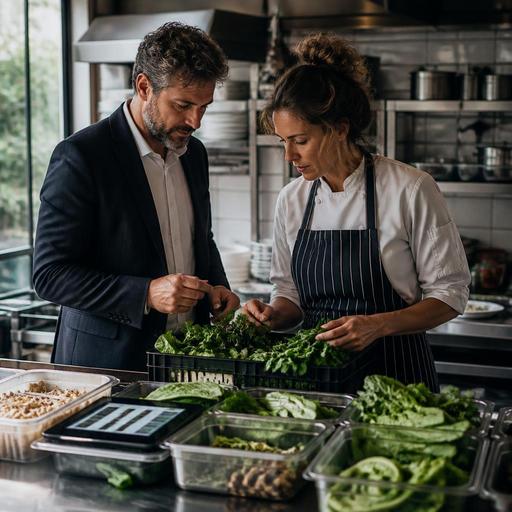
Zero-Waste Restaurant Plan: Practical Actions for the First 90 Days
A zero-waste restaurant plan can feel overwhelming when daily service already demands constant attention. The first 90 days matter because they turn sustainability from a vague ambition into repeatable operating habits. For restaurant owners, chefs, and managers, the goal is not perfection. It is to identify where waste happens, reduce avoidable losses, and build systems the team can actually follow during busy shifts.
Zero-waste work is not only about compost bins or removing plastic straws. In practice, it touches purchasing, prep, menu design, portion control, staff communication, and the way guests understand your brand. A small cafe may focus on milk waste, pastry overproduction, and takeaway packaging. A full-service restaurant may start with trim usage, spoilage prevention, and better control of specials. In both cases, progress comes from clear routines, not from one-time campaigns.
Days 1 to 30: Audit what your restaurant throws away
The first month should focus on observation. Before changing suppliers or redesigning the menu, map where waste is coming from. Most restaurants discover that waste is spread across several points: delivery receiving, cold storage, prep, line production, plate returns, and takeaway packaging.
Start with a simple waste log. Separate waste into practical categories such as spoiled inventory, overproduction, prep trim, returned plates, and disposable packaging. The point is not to create a complicated reporting system. The point is to make waste visible enough that your team can act on it.
What to review in the first month
- Purchasing patterns: Which ingredients are frequently overordered or left unused before their quality drops?
- Storage discipline: Are labels, dates, and first-in-first-out routines followed consistently?
- Prep methods: Are vegetable tops, herb stems, bread ends, bones, or citrus peels being discarded when they could be repurposed?
- Service waste: Which menu items come back half-eaten or consistently generate side-dish leftovers?
- Packaging use: Which takeaway materials are necessary, and which are added by habit?
For example, a brunch restaurant may find that sliced avocado browns before service ends, while a bistro may notice that bread baskets create predictable plate waste every night. These are different problems, but both can be reduced once they are measured. A digital menu and order management setup can help here by showing which items sell at which times, making prep levels easier to match with real demand.
Days 31 to 60: Redesign menu and prep around waste prevention
Once the sources of waste are visible, the second month is the right time to make targeted menu and kitchen changes. This is where sustainability becomes operational efficiency. The best zero-waste menus do not feel restrictive to guests. They feel thoughtful, seasonal, and well managed.
Begin with ingredients that can serve multiple dishes. If one herb, sauce base, roasted vegetable, or protein garnish can appear across lunch, dinner, and specials, your kitchen gains flexibility. Cross-utilization reduces the risk of small leftover quantities dying in storage. It also simplifies training and purchasing.
Look closely at trim and secondary use. Carrot tops can become pesto. Citrus peels can flavor syrups or infusions. Stale bread can become croutons, crumbs, or a dessert component. Bones and vegetable trim can support stocks and sauces. Not every byproduct should be saved, but every high-volume discard category deserves a deliberate decision.
Practical menu decisions that reduce waste
- Reduce low-selling items that require unique ingredients with short shelf life.
- Offer flexible sides so guests can choose what they are more likely to finish.
- Use specials strategically to move surplus ingredients while quality is still strong.
- Standardize portions with clear plating guides and serving tools.
- Review modifiers in your ordering flow so guests can decline unnecessary extras such as cutlery, sauces, or bread.
This is also a good time to update your digital menu. If a dish changes seasonally or ingredients need to be swapped based on availability, a QR menu is easier to keep accurate than printed materials. Clear menu descriptions can guide guests toward dishes built around whole-use ingredients or seasonal produce without sounding preachy.
Days 61 to 90: Train staff and turn sustainability into routine
By the third month, zero-waste efforts need to move beyond management discussions and into team behavior. Staff training is often the difference between a short-lived initiative and a lasting shift. Every role touches waste differently, so training should be specific.
Kitchen teams need prep standards, storage rules, and guidance on what can be repurposed safely. Front-of-house teams need to know how to explain portion options, side substitutions, and packaging choices. Runners and bussers can help identify recurring plate waste patterns. Shift leaders should review waste notes the same way they review reservations, stock issues, or service bottlenecks.
Build simple habits your team can sustain
- Set one waste priority per week, such as dairy control, garnish reduction, or bread waste.
- Review waste during pre-shift, not only in monthly meetings.
- Create clear labeling rules for opened items, batch prep, and repurposed ingredients.
- Assign ownership so one person per shift checks storage, prep levels, and end-of-day recovery use.
- Share guest feedback when menu changes improve experience or reduce excess.
A cafe, for instance, may train baristas to ask whether takeaway guests need lids, sleeves, or stirrers instead of giving them automatically. A casual dining restaurant may add smaller optional side portions for guests who want lighter meals. These are modest changes, but repeated hundreds of times, they shape both cost control and brand perception.
How digital tools support a zero-waste operating model
Restaurant sustainability works best when the team has accurate information at the right moment. Digital tools do not create a zero-waste culture on their own, but they make good decisions easier to repeat. Menu management, order data, reservation forecasting, and kitchen coordination all affect waste levels.
For example, if reservations suggest a quieter Tuesday lunch, prep can be adjusted before overproduction happens. If order data shows that one salad sells mostly at dinner, not all day, the kitchen can batch more carefully. If the digital ordering flow allows guests to remove disposable extras, packaging use can drop without hurting convenience.
Platforms that combine QR menus, order management, and operational visibility can help restaurants keep menu updates accurate, reduce communication gaps, and respond faster to changing inventory conditions. The important point is not to digitize for its own sake. It is to support cleaner execution: fewer outdated menu items, fewer unnecessary add-ons, and better alignment between demand and production.
What success looks like after 90 days
At the end of the first 90 days, a successful zero-waste journey usually looks practical rather than dramatic. You should be able to point to a few clear improvements: better ordering discipline, less spoilage in key categories, tighter prep routines, more intentional packaging use, and a menu that is easier for both staff and guests to navigate.
You do not need to eliminate all waste to make meaningful progress. What matters is that waste is now part of daily management. It is discussed in prep, reflected in menu decisions, and supported by systems instead of depending on memory. That foundation is what allows a restaurant to go further later, whether through supplier changes, compost partnerships, reusable packaging models, or more advanced reporting.
Sustainability becomes credible when it is visible in operations. Guests notice when a restaurant runs smoothly, communicates clearly, and offers thoughtful choices without friction. Teams notice when standards are realistic and consistent. Owners notice when less product is lost to preventable mistakes.
If you are building a more efficient, lower-waste operation, Restomas can support the digital menu, ordering, and workflow side of that process in a practical way.